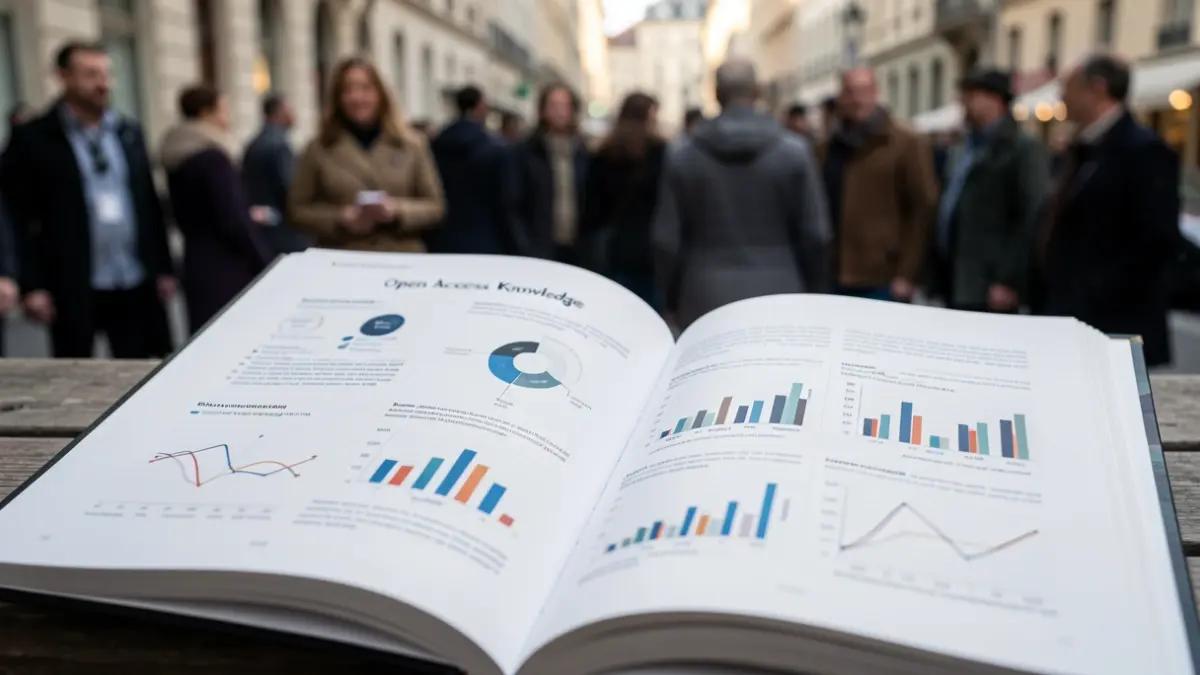
Open access publications, which include research articles, books, theses, or data available online for free without restrictions and with proper attribution, receive 27% more citations than similar content on average. This finding, published by the Bibliometric Services Area of the UVigo University Library in its annual report, places the normalized impact of these publications at 1.27, exceeding the 1.09 for the institution's total documents in the same period (2016-2025).
The scientific fields with the highest percentage of open access publications are Earth Sciences (72.31%), Physics (70.53%), and Chemistry (68.21%). The report also highlights the journals where UVigo has published the most open access articles during this period: Applied Sciences-Basel (157 articles), Scientific Reports (132 articles), and Foods (129 articles).
This annual report, released coinciding with the International Open Access Week, is part of the strategy promoted by the UNESCO Recommendation on Open Science from 2021, to which nearly 200 countries have adhered to democratize knowledge and increase its social impact.
The 2026 edition of this week is themed The price of knowledge, prompting reflection on the rising costs of accessing and disseminating research. These costs extend beyond journal subscriptions and Article Processing Charges (APCs), encompassing the time and effort invested by authors, reviewers, and editors, as well as the exclusion of a significant portion of the global population from equitable participation.