The first deputy mayor of A Coruña, José Manuel Lage Tuñas, advocated today for building the city's metropolitan area through dialogue and cooperation between municipalities, with the aim of improving public services and promoting economic and social progress. These statements were made during his participation in a conference organized by the Metropolitan Area of Barcelona (AMB).
Lage pointed to Barcelona as a good example of institutional cooperation and defended the need to build a specific metropolitan model for A Coruña, based on voluntary collaboration between municipalities. "We understand the metropolitan project as a collective decision, where the majority of municipalities must agree, it must be done without impositions, with dialogue, and thinking about the majority of citizens, about improving their quality of life and the services they receive," he stated.
The councilor also argued that A Coruña's metropolitan future does not depend on creating a new administration, but rather on establishing a new way of cooperating, prioritizing public services and citizens' needs. He proposed that the Xunta open a dialogue to establish a metropolitan transport authority through a consortium, as he believes the Xunta has been "incapable of resolving the metropolitan mobility problem" despite having the competencies.
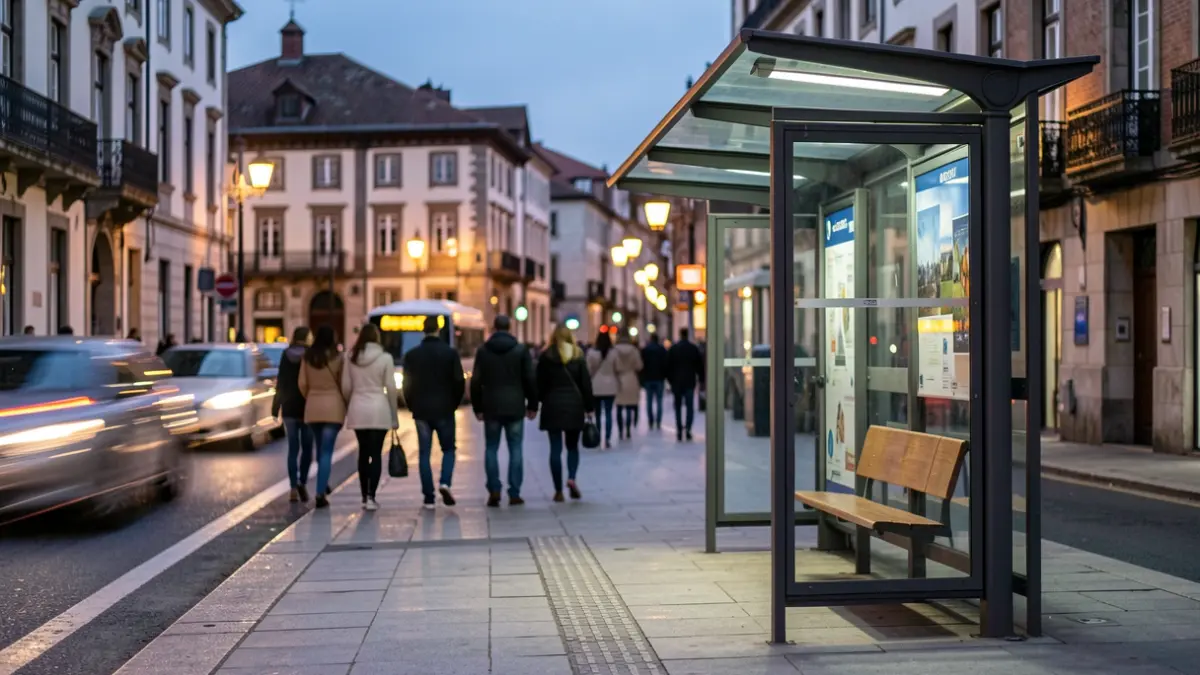
Furthermore, Lage emphasized that mobility is one of the main metropolitan priorities and that citizens suffer the consequences of the lack of public transport coordination. "Citizens do not understand administrative borders. They live in one municipality, work in another, and travel daily throughout the metropolitan area. We need joint responses for a reality that is already metropolitan," he explained.
In addition to mobility, Lage defended the need to advance in metropolitan territorial planning that jointly addresses housing policies, new residential developments, infrastructure, and major facilities. He recalled A Coruña's experience in supramunicipal cooperation through EMALCSA (water), EDAR Bens (services to several municipalities), and the Nostián plant (waste), highlighting that "these experiences demonstrate that it is possible to provide public services efficiently".
Finally, Lage Tuñas reiterated the municipal government's commitment to driving this process through dialogue, consensus, and shared leadership, "always keeping in mind that it is necessary to improve services for citizens." He concluded that the commitment is to "build agreements and offer concrete solutions," improving the quality of life through cooperation between municipalities.