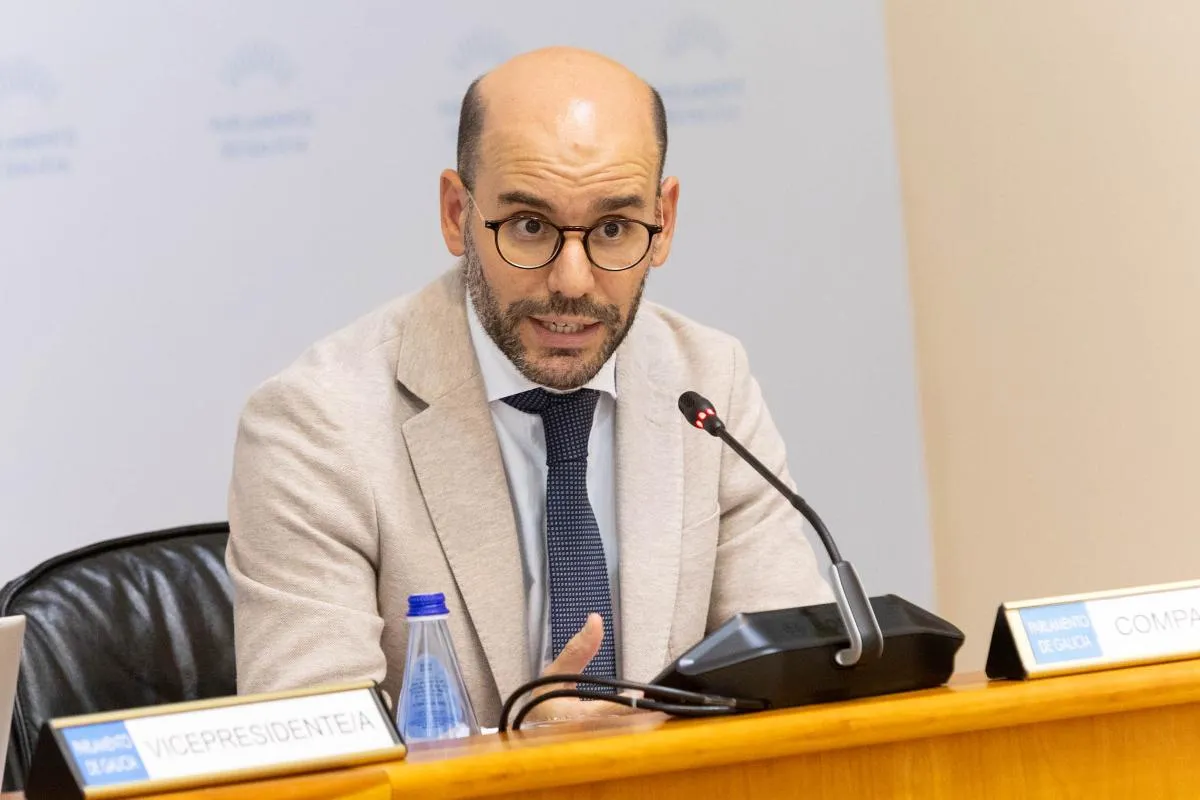
Speaking at the 8th Commission for Fishing and Shellfish Farming of the Parliament of Galicia, Rosón emphasized that the continuity of access and stability of conditions are crucial for business planning and job preservation in the sector.
The Director General regretted the lack of a specific statement from the Ministry of Agriculture, Fisheries and Food on this situation during the last EU Council's Working Group on Fisheries Policy. He considered it essential for the Spanish position on the fleet's continued access to Mauritanian fishing grounds to be present in these debates.
Rosón warned that without a legal framework in place by November 14th, community vessels would have to leave Mauritanian waters. According to sector estimates, this situation could jeopardize up to 3,000 direct and indirect jobs, also impacting sales, transport, port services, and the processing industry.
The extension, according to the Director General, would allow for the continuation of activity and provide stability for negotiations on a new protocol. "The central issue is not just whether the agreement will be renewed, but under what conditions, with what real possibilities of access to fishing grounds, and with what guarantees for the continuity of business activity and employment," he stated.
Furthermore, he urged the central Government to push for a solution with community institutions before the expiration, as the current uncertainty affects the planning of fishing trips, crew hiring, supplies, and the commercial commitments of shipowning companies.
Finally, Rosón argued that access conditions, fishing possibilities, and technical measures must be known in advance and based on transparent criteria and scientific information, asserting that the continuity of the community fleet is compatible with resource conservation and the sustainable development of Mauritanian fisheries.