The city of Pontevedra will host the VII Conferences of the Spanish Association of Legumes (AEL) from October 28 to 30. These meetings will take place under the umbrella of the "Food, Agriculture and Environment" Congress, an initiative promoted by AEL with the collaboration of the Galician Society of Sciences (SCG), the Spanish National Research Council (CSIC) through its Delegation in Galicia and the Misión Biológica de Galicia (MBG), as well as the Provincial Council of Pontevedra. The event is sponsored by ENCE. Energía y Celulosa and the CSIC's REGEN Connection.
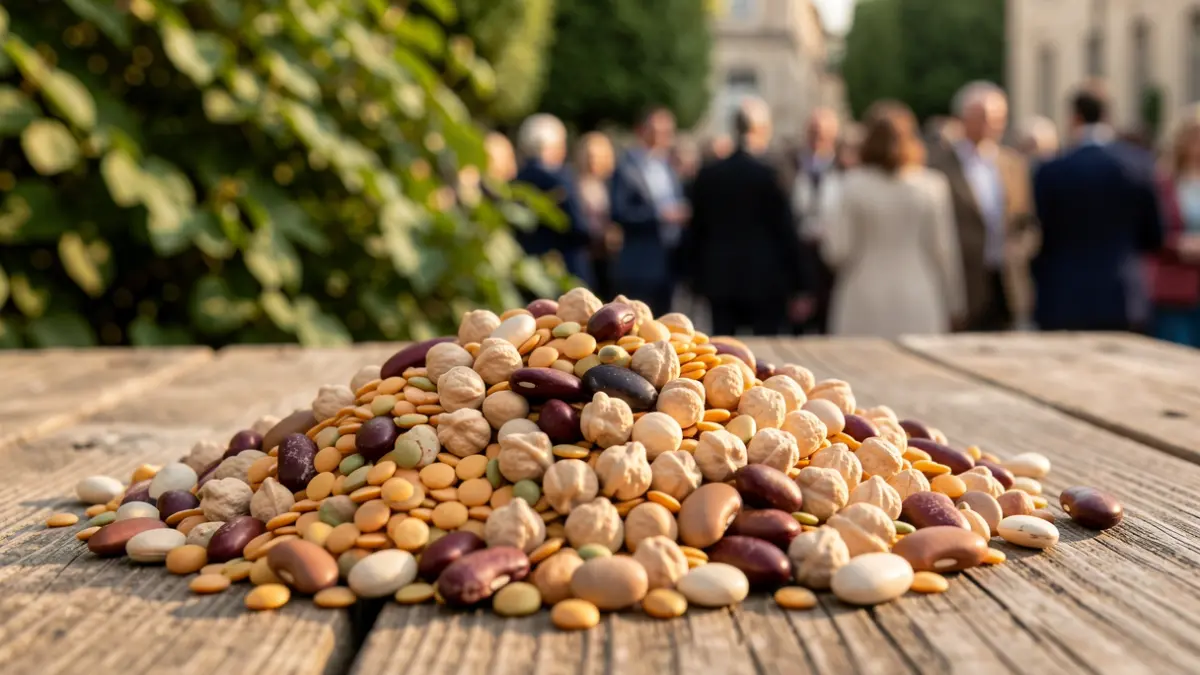
Antonio De Ron Pedreira, a CSIC professor emeritus and event coordinator, highlighted the congress's objectives: "To highlight the role of legumes in key sectors such as agriculture, human and animal nutrition, and the environment." He emphasized the benefits of these crops, which improve nutrition and health, promote agricultural sustainability, and contribute to environmental protection and climate change mitigation.
The congress is aimed at a broad spectrum of professionals, including scientists and technicians from the public and private sectors, professors, students, and the business sector. The registration period, open since May, remains active until the day before the event, and 50 registrations have already been reached, with a response that, according to De Ron, tends to be late for such scientific events.
The organization includes administrative and financial management by the SCG, dissemination support from the CSIC, the MBG, and the Provincial Council of Pontevedra, who also participate in the scientific and organizing committees. Sponsorship from ENCE and the CSIC's REGEN Connection provides significant financial support.
The program has been designed based on received communications and will include sessions on Genetic Resources, Plant Genetics and Breeding, Agronomy, Human and Animal Nutrition, Biotic and Abiotic Stress of Crops, and Environment, as well as a special session on Innovation and Transfer.
De Ron Pedreira highlighted the growing nutritional interest in legumes due to their high protein content and their role in human and animal nutrition. Current research focuses on sustainable agriculture, genetic resistance to pests and diseases, and biological nitrogen fixation from the atmosphere, which reduces the need for fertilizers and environmental impact.
The organization of the event began approximately a year ago. The international response, with participants from Portugal, the United States, Chile, and Costa Rica, is one of the most gratifying aspects. The digital publication of the proceedings, available online, is one of the most complex organizational challenges.
It is expected that the congress will foster positive interactions among scientists, technicians, and the productive sector, leading to new collaborations and projects for the future of legumes.