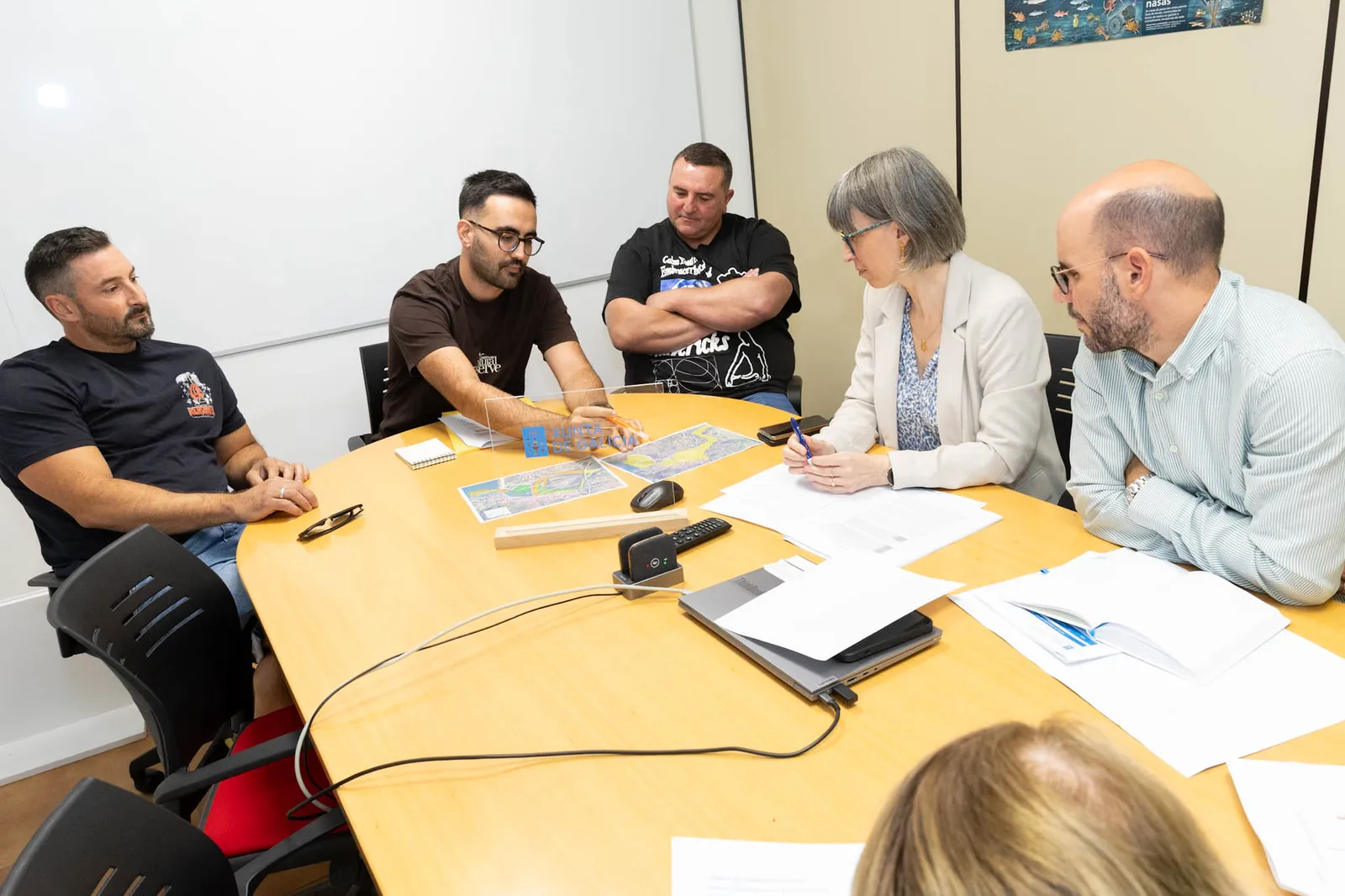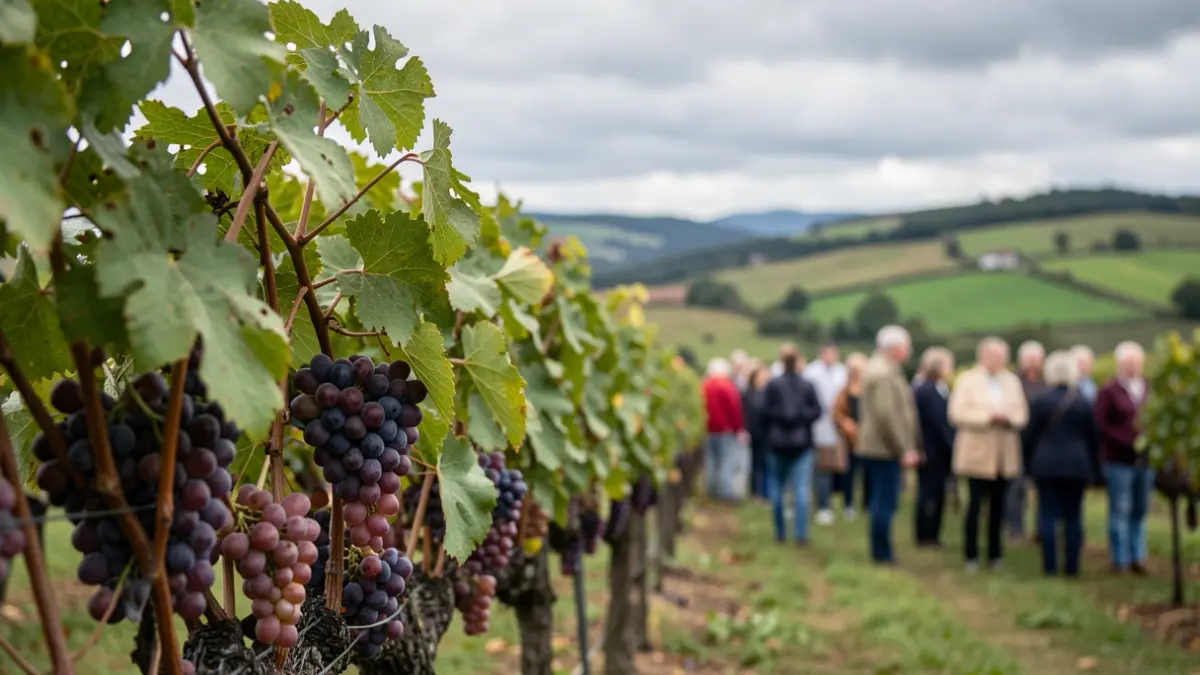
The main objective of these projects, promoted by the Consellería do Medio Rural (Rural Affairs Department), is to design and validate algorithms capable of predicting agricultural production. The initiative initially focuses on grapevine cultivation in the Protected Designation of Origin (DOP) Ribeiro and on forage corn in A Mariña Lucense.
The aim is to identify and analyze the variables influencing crop yields, such as meteorological conditions, soil characteristics, agronomic practices, and historical production data. Based on this information, work is underway to design algorithms that allow for early harvest estimations, subsequently comparing the results with actual production to verify their reliability.
The development of these tools seeks to improve campaign planning, optimize resources, reduce costs, and facilitate decision-making for producers, wineries, cooperatives, and livestock farms. Both projects are being developed within the framework of the Strategic Plan for the Common Agricultural Policy (CAP) 2023-2027.
The Galician Viticulture and Enology Station (EVEGA) and the Mabegondo Agrarian Research Center (CIAM) are responsible for carrying out these projects, with the collaboration of the Galician company FORTOP, specialized in geomatics and precision agriculture.
The choice of O Ribeiro and A Mariña Lucense responds to the need to develop and test these models under real conditions and on specific crops, before evaluating their potential application to other geographical areas and agricultural productions in Galicia.
“"It's not just about predicting how much we will produce, but about developing tools that allow us to produce better, reduce costs, anticipate risks, and make decisions with more information."
The Xunta thus seeks to lay the groundwork for progressively advancing towards systems for predicting Galician agricultural production, reinforcing the role of research and innovation as tools to improve the sector's competitiveness and sustainability.