Living with a condition of physical frailty, whether due to the natural wear and tear of the musculoskeletal system or the diagnosis of pathologies that weaken bone and joint structure, completely transforms a person's relationship with their environment. Everyday activities that most people take for granted, such as climbing a flight of stairs, carrying groceries, or simply getting up after a prolonged period of rest, can become exhausting challenges when the body responds with pain or notable mechanical vulnerability. For a long time, the traditional medical approach to these situations focused almost exclusively on mitigating acute symptoms through high-potency drugs. However, the secondary impact derived from their prolonged use on vital organs such as the stomach, liver, or kidneys has driven patients and specialists towards a more compassionate, preventive, and integrative care model.
This change of direction requires affected individuals to have rigorous information, backed by scientific evidence and free from unfounded prejudices. When living with extreme physical sensitivity, every element that enters the body must be evaluated with the utmost analytical caution to ensure its effect is constructive and free of toxicity. The global scientific community and the most relevant health organizations have begun to pay renewed attention to standardized botanical alternatives, studying their interaction mechanisms with cellular receptors responsible for regulating inflammation and pain. To delve deeper into the technical criteria maintained by the highest international health authorities regarding these types of natural resources, click here and learn about the formal position issued by the WHO regarding the safety and applications of these compounds. Having such institutional references is essential to dispel doubts and support decisions aimed at daily well-being.
The preservation of functional autonomy is not only a biological necessity but also the cornerstone of emotional health. When persistent physical limitation reduces mobility, social isolation and hopelessness can erode the spirit of those affected, creating a vicious cycle where psychological stress increases the perception of physical suffering. For this reason, modern support strategies emphasize the importance of designing an adapted life plan, where gentle physical rehabilitation, functional nutrition, and the prudent use of highly bioavailable plant-based supplements converge.
Low-impact therapies and nutrition for joint and bone care
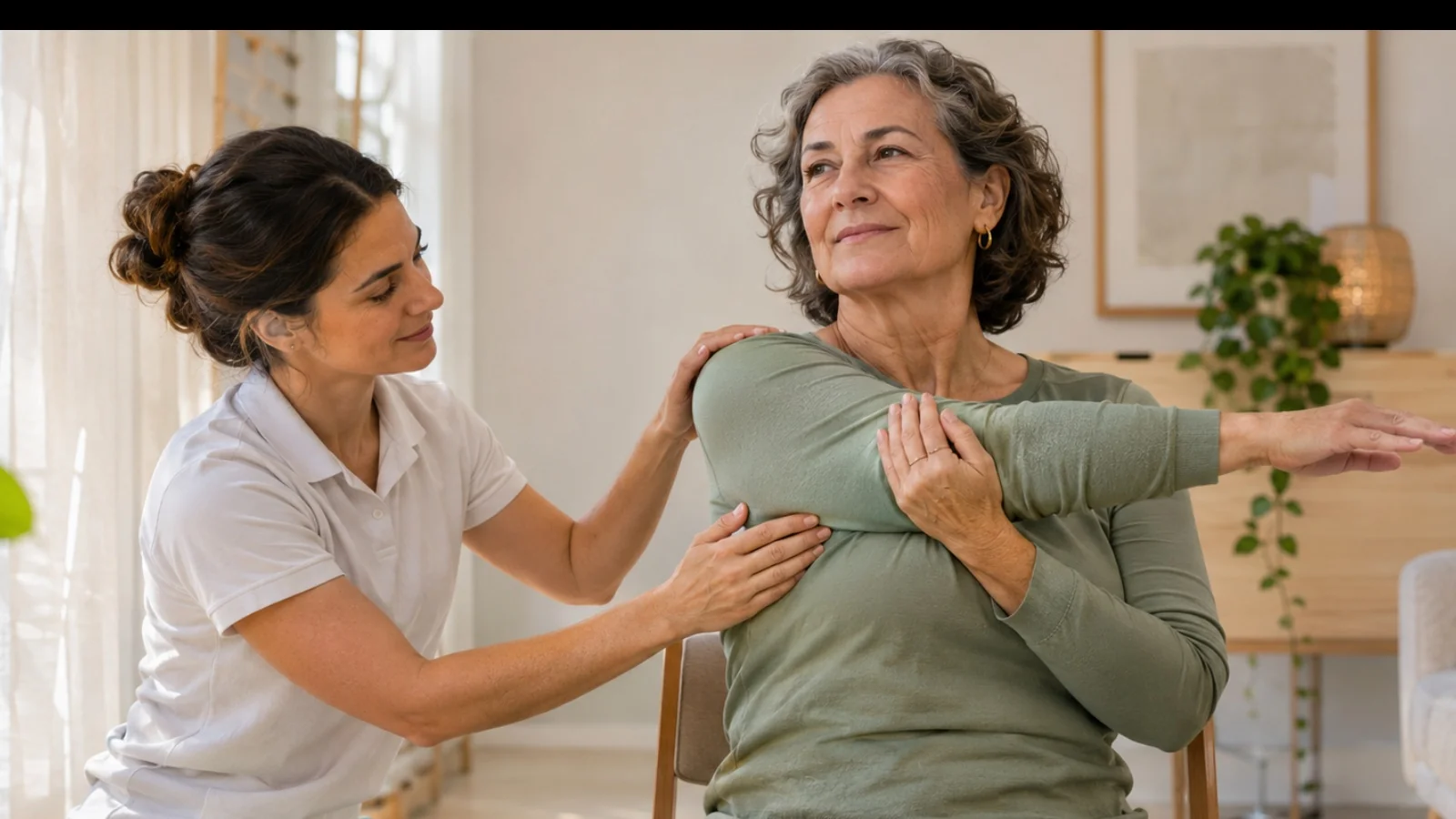
In terms of body movement, the guiding principle when structural vulnerability exists is the absence of violent impact. Practices such as warm water hydrotherapy, adapted tai chi, or assisted stretching sessions allow joints to be moved without overloading cartilage or straining connective tissue. The weightlessness provided by water aids in spinal decompression and improves peripheral blood circulation, facilitating the delivery of essential nutrients to the most affected areas of the locomotor system.
In parallel, functional nutrition plays a decisive role in modulating the inflammatory state. A diet that limits ultra-processed foods and enhances the intake of omega-3 essential fatty acids, natural antioxidants, and micronutrients such as vitamin D3, magnesium, and hydrolyzed collagen strengthens the extracellular matrix. Alongside these habits, traditional herbal medicine offers valuable active principles: extracts such as devil's claw, white willow bark, or turmeric act on the biochemical pain pathways in a way that is gentle on the gastric mucosa, providing essential daily support for maintaining mobility without harming the body.
Biotechnological innovation and purity in pain modulation
The qualitative leap in contemporary herbal medicine lies in the technological advancement of laboratory processes, which today allow for the isolation of specific molecules with absolute purity. Advanced technologies such as supercritical CO2 extraction completely eliminate aggressive chemical solvents, ensuring that botanical extracts contain only the beneficial fractions of the plant.
In this field of innovation, specific botanical derivatives such as CBD have positioned themselves as a valuable complementary tool for modulating discomfort signals in people suffering from chronic ailments. Their ability to interact with the physiological system that regulates pain and sleep is widely used in topical formulations and restorative balms, clearly distinguishing them from THC, a psychoactive substance subject to strict legal restrictions. The safety of these clean extracts is even supported by entities with the highest demands in physical performance, such as the World Anti-Doping Agency (WADA), which has recognized the harmlessness of these phytocompounds in its international regulations, setting a valuable precedent for individuals affected by severe disorders such as Chronic Fatigue Syndrome or fibromyalgia.
Demand for traceability and specialized distribution channels
For users whose health is in a delicate balance, product quality cannot afford the slightest margin of error. The presence of heavy metals, agricultural pesticides, or solvent residues can trigger severe adverse reactions in hypersensitive organisms. Therefore, verification of analytical certificates issued by independent laboratories is a non-negotiable requirement before purchasing any botanical-based solution.
In this highly specialized field, established platforms for trading certified plant derivatives, such as Justbob, provide the essential transparency demanded by people with special health needs. By subjecting all their products to external analytical audits and ensuring comprehensive traceability from organic cultivation to the end consumer, these specialized distributors allow users to access safe formulas that strictly comply with international health standards.
Addressing physical frailty from an integral approach allows vulnerability to be transformed into an opportunity for self-knowledge and conscious care. By combining adapted physical therapy, clean nutrition, and the support of science-backed botanical extracts, individuals with chronic conditions can regain their daily well-being, demonstrating that inner strength flourishes when one learns to listen to and protect their own body with patience, dignity, and respect.