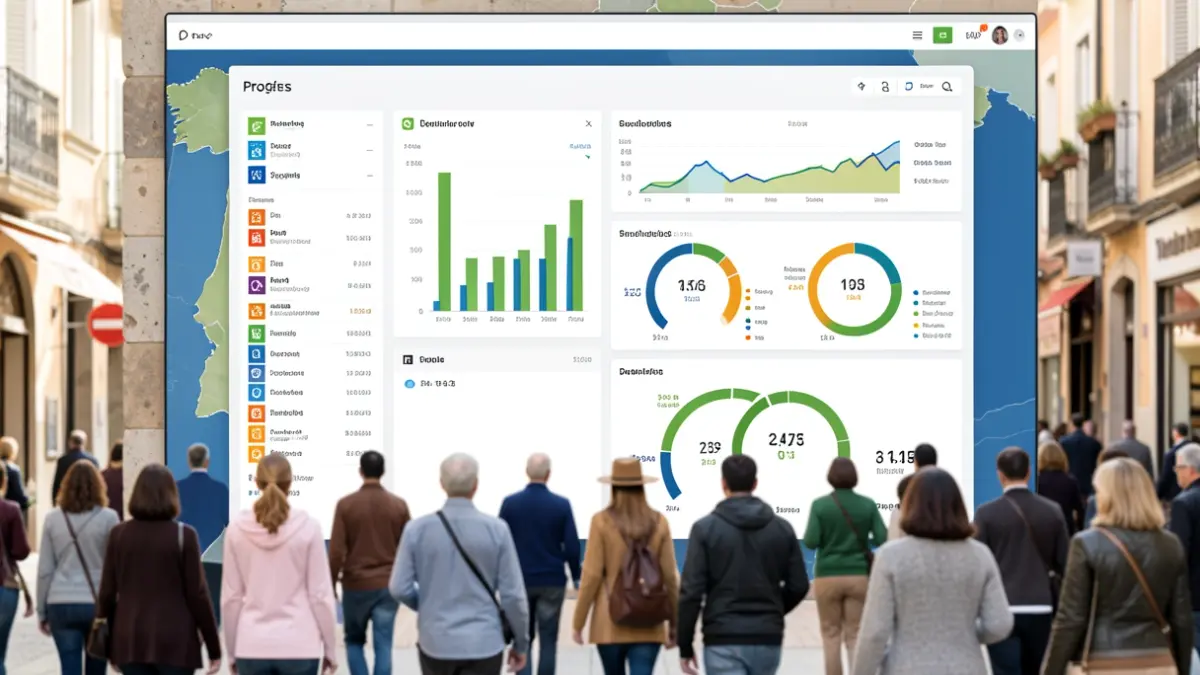
Funded by the Ministry of Social Rights, Consumer Affairs and the 2030 Agenda, the initiative, part of the Plataforma ODS project, aims to centralize data to quantify and evaluate the progress of municipalities towards the 17 goals of the UN's 2030 Agenda. This pioneering tool in Spain, which uses open data from official sources and contributions from researchers and local administrations, was presented at an event held at the Vicerrectoría's campus.
Coordinated by researcher Brais Suárez, the project also fostered a Citizen Climate Committee in Pontevedra, which has developed recommendations for more sustainable food consumption within the municipality. The platform employs 69 indicators selected for their local relevance and data availability, with plans for expansion and modification based on user proposals.
The platform, which already incorporates data from the INE (National Statistics Institute), regional statistical institutes, the SEPE (Public Employment Service), and the Women's Institute, presents an interactive map showing the SDG compliance level per municipality, with a percentage based on measurement criteria. Although data gaps may currently affect comparative realism, the goal is for the tool to grow with contributions from local administrations, third-sector organizations, and citizen science projects, after validation by specialized reviewers.
Furthermore, the project led to the establishment of the Citizen Climate Committee in Pontevedra, comprising 16 residents, who proposed measures to mitigate the climate change effects related to food consumption. Recommendations include extending market sales points to various neighborhoods, promoting local products in school canteens, developing educational programs on sustainable food and consumption, utilizing food surplus, and encouraging the sale of seasonal local produce.
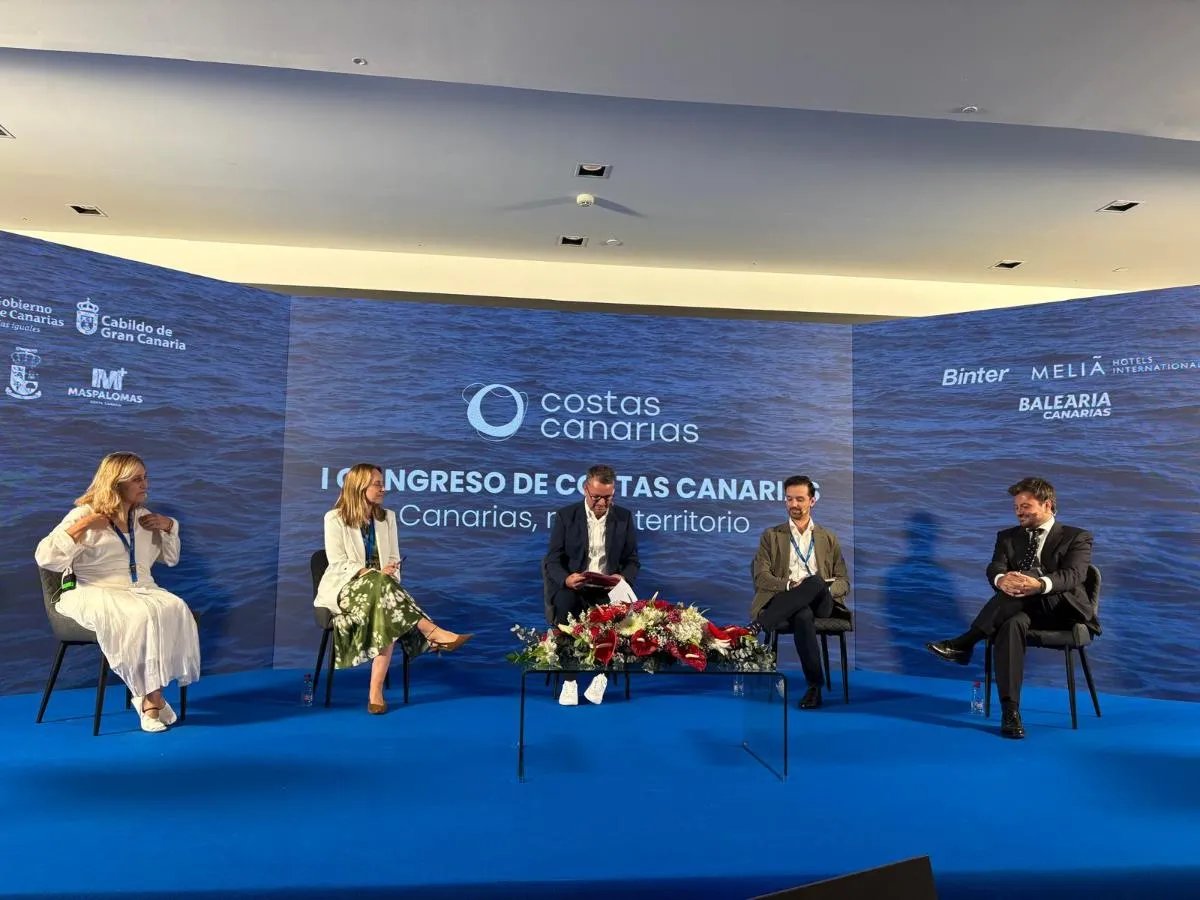
These recommendations were presented by researcher Cristina Míguez, who also discussed a citizen science project at the IES Luis Seoane high school. The results presentation event, inaugurated by Alberto Dafonte, area director of Campus Crea, included a panel discussion on citizen participation in public decision-making moderated by Brais Suárez, featuring contributions from Anabel Gulías (Councillor for City Promotion), José Luis Santiago (Coordinator of the Fisheries Socioeconomics Area at Cetmar), and Miguel Pardellas (citizen participation expert).