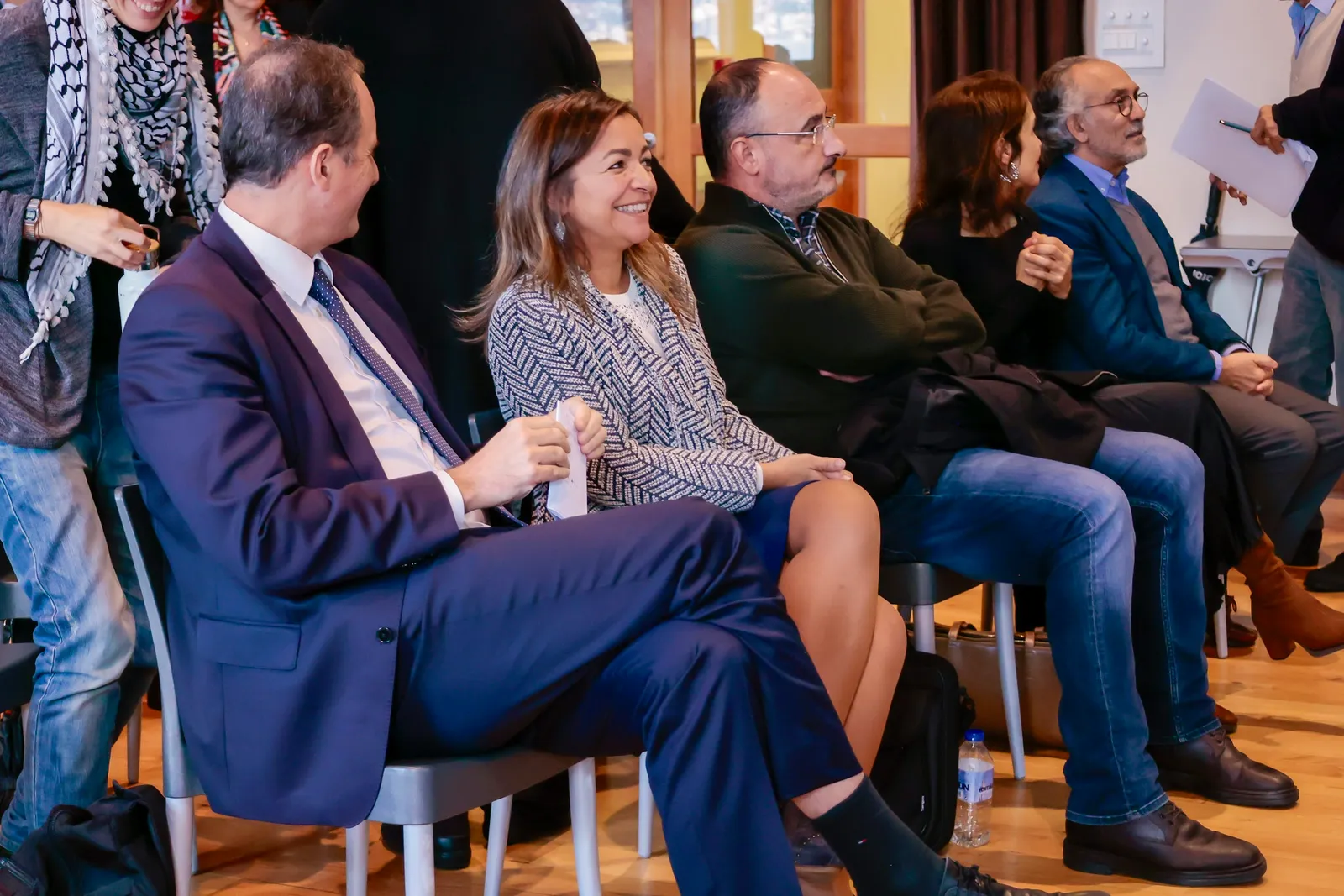

The Incuvi space hosted the initiative this morning, where Galician served as the connecting thread for a series of encounters between researchers and participants. The objective was to demonstrate that three minutes can be enough to spark interest in research, bring distant disciplines closer, and connect with science. The Unit of Scientific and Innovation Culture (UCC+i) explained that the dynamic required researchers to balance listening and conveying the scientific arguments of their work.
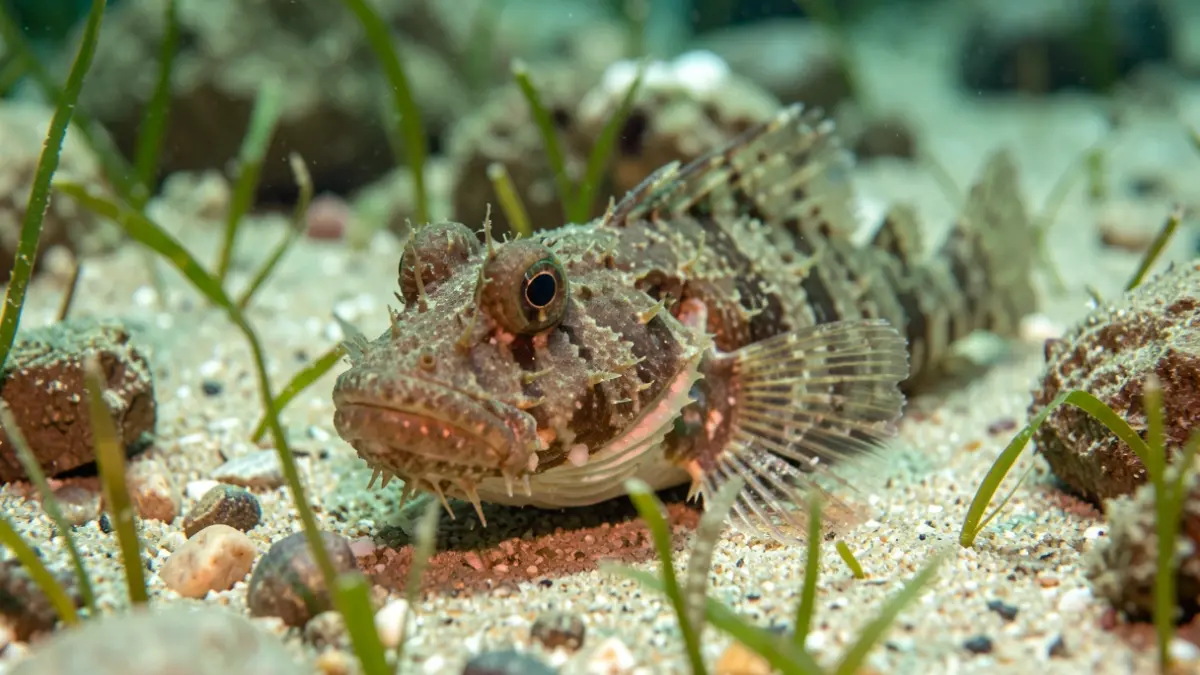
The diversity of presented projects reflected the variety of knowledge generated at UVigo. Among the proposals were the development of materials to remove pollutants and produce hydrogen, the study of magnetic nanoparticles for disease treatment, the application of artificial intelligence to road safety, and the understanding of diseases in shellfish. Topics of education, inclusion, corporate sustainability, and historical memory recovery were also addressed.
“"This activity represents an opportunity to bring very different research closer and open possible bridges between disciplines."
Participants came from the three UVigo campuses and centres such as CINBIO, Cintecx, CIM, atlanTTic, Ecobas, and Cispac. At the end of the encounters, the public chose the project that most seduced them and the researcher who best captured their interest. The recognition as 'scientific crush' went to Ángela Arnosa, a CINBIO researcher specialising in the application of magnetic nanoparticles in diseases such as cancer.
The afternoon session continued on the third floor of the Redeiras building, where citizens could continue interacting with research. These activities are part of the UCC+i annual science communication plan, 'Science Back and Forth', which is funded by the Spanish Foundation for Science and Technology (FECYT) and involves predoctoral staff from the ESF+ Galicia 2021-2027 programme.