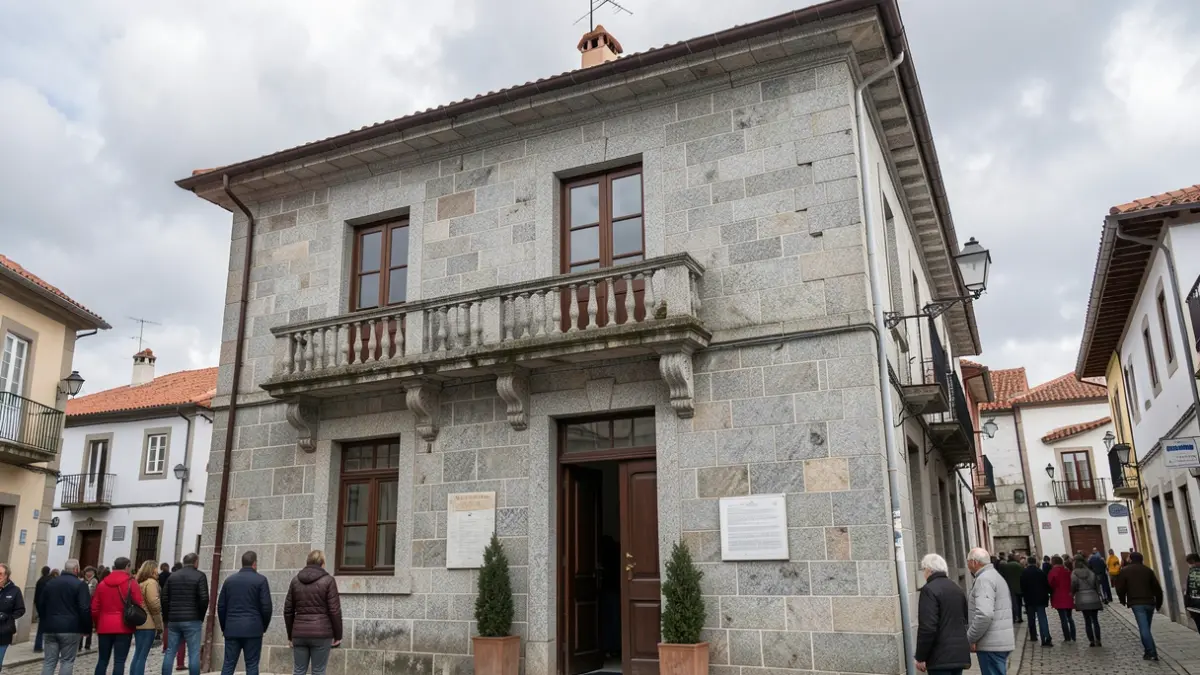
The initiative, funded by the Interreg VI-A Spain-Portugal (Poctep) program with a budget of approximately 2.2 million euros, unites partners from Galicia and northern Portugal. The objective is to improve environmental preservation and promote rural and economic development in the reserve. The launch event took place in October at the Câmara Municipal de Montalegre (Portugal).
The Aerolab group, from the School of Aeronautical and Space Engineering at the Ourense campus, led by researchers Higinio González and Fernando Veiga, will focus on precision livestock farming. They will apply technologies to monitor and control livestock, ensuring efficient and sustainable resource management.
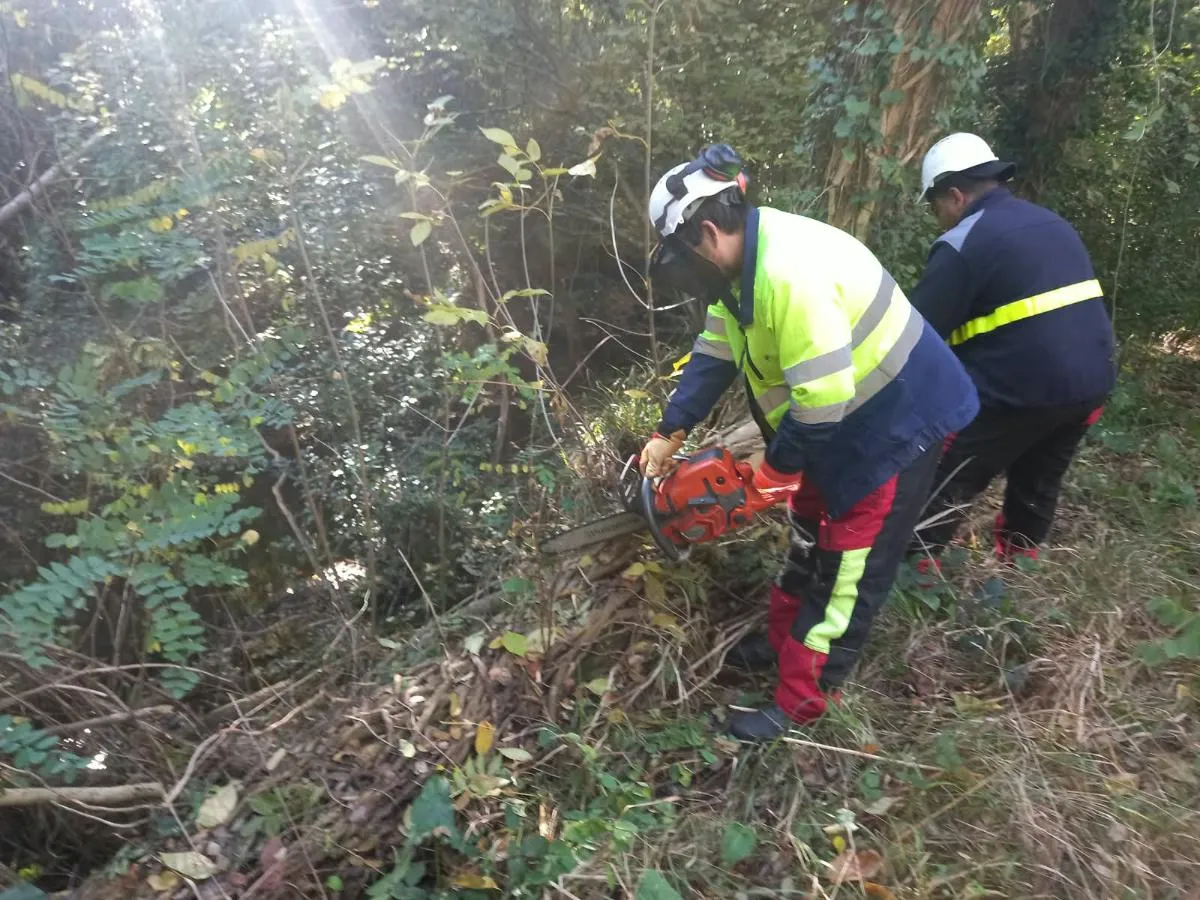
Gexpoctep promotes extensive farming, the preservation of native breeds, and innovative solutions for land management and forest fire prevention. Until the end of 2028, it will implement an intelligent extensive farming model acting as a natural firebreak, using directed grazing to ecologically control mountain biomass. Digital tools will be deployed in pilot farms for native cattle and equine breeds such as cachena, barrosá, puraga, and garrano.
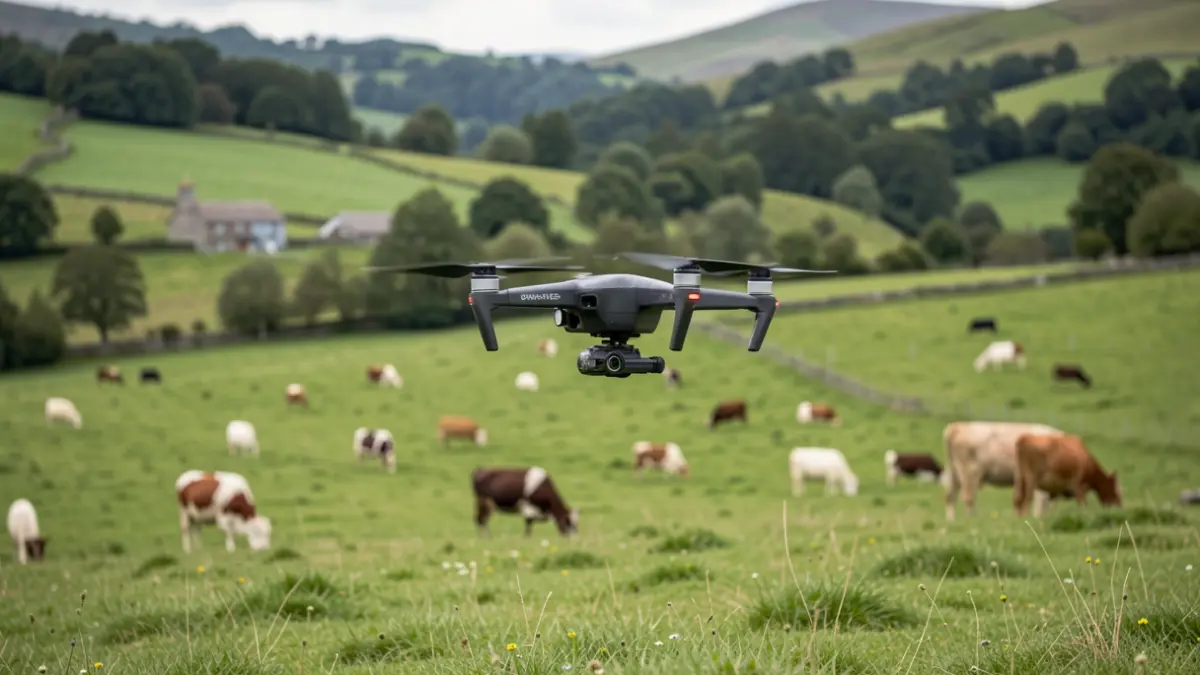
Technologies include virtual fences and GPS collars for real-time livestock monitoring, drones with multispectral and thermal cameras for pasture assessment, and soil moisture and temperature sensors.
The project also aims to enhance the competitiveness of the livestock sector by valuing native breeds and their products, fostering innovation, sustainability, and knowledge transfer, and developing new value-added products and gastronomic tourism.