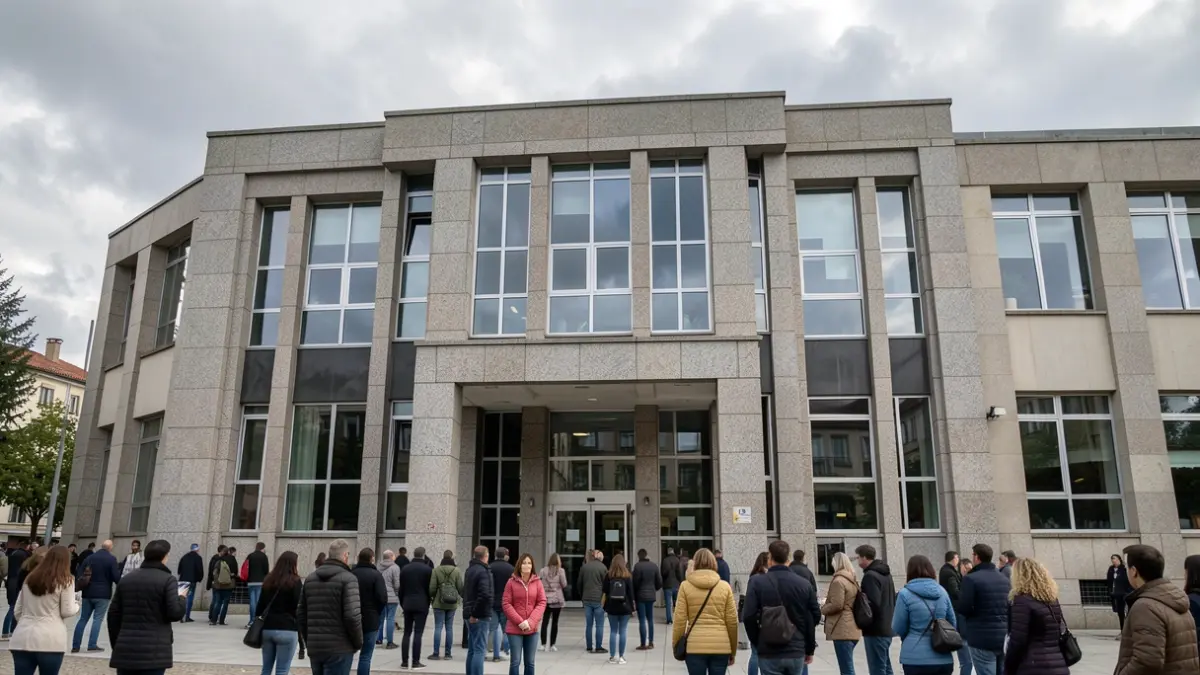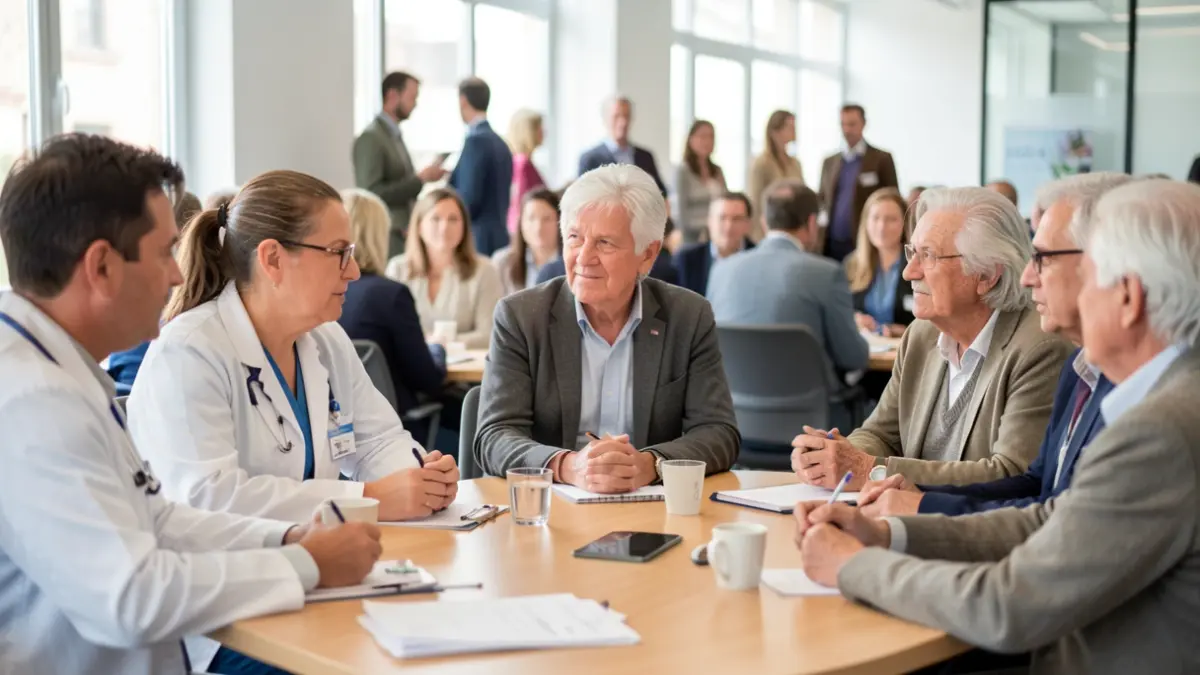
The Vigo Health Area serves an increasingly diverse population, making it essential to address communication barriers, both linguistic and related to functional diversity. Francisco Jesús Represas, Deputy Director of Humanization and Citizen Care at the Vigo Health Area, highlights the need for adequate resources and awareness among healthcare teams.
The 1st Conference Translation and Medical Matters, organized by the iLingua institute and the hospital center, aims for healthcare professionals to understand the training of interpreters and their code of ethics, and for UVigo students to learn about hospital work. Maribel del Pozo Triviño, a UVigo professor, and María Méndez, a lecturer and researcher, emphasize the commitment to quality public services and the visibility of university research.
“"The idea is that both hospital staff and our students attend, as it's a conference where we will get to know each other."
The conference, starting at 4:45 PM with a presentation on training in translation and interpretation, will include a panel discussion on linguistic and cultural barriers in healthcare. Participants include Francisco Jesús Represas, Ana Novoa (nurse), Rosa Izquierdo (doctor), and Carmen González Lloves (deaf mediator).
Health translation and interpretation are considered essential tools for ensuring equity, accessibility, and humanization in care, not merely complementary resources. María Méndez stresses the real need for interpreters in services like maternity or emergencies, and the importance of specific training to avoid confusion risks.
Maribel del Pozo also notes that the profession of interpreter in healthcare is not widely recognized, with much work done voluntarily or poorly paid, advocating for professionalism and adequate remuneration.
Francisco Jesús Represas believes it's important to provide professionals with tools to handle these situations, acknowledging the help of technology but also the significance of reliable and adapted interpretation mechanisms. The goal is to improve the healthcare system's accessibility and responsiveness, promoting care where linguistic difficulties do not create inequality.