A project funded by the VI Social Plan Ence Pontevedra, carried out by the research group in Clinical Physiotherapy (FS1), aims to determine the benefits of contact with nature on the health and well-being of people with cardiovascular conditions. The research focuses on how natural environments affect the autonomic nervous system, key to states of stress and relaxation, by comparing the effects of walking in an oak forest versus a more open space.
Preliminary results from this study, which involved collaboration with the Concello da Lama and the association Pontecorazón, will be presented next Monday, November 9th, at 7:30 PM at the Vicerrectoría's campus headquarters. The public outreach session will feature the principal investigator of the FS1 group, Eva María Lantarón, and physiotherapist Ana Gil from the AF4 group at the School of Forest Engineering.
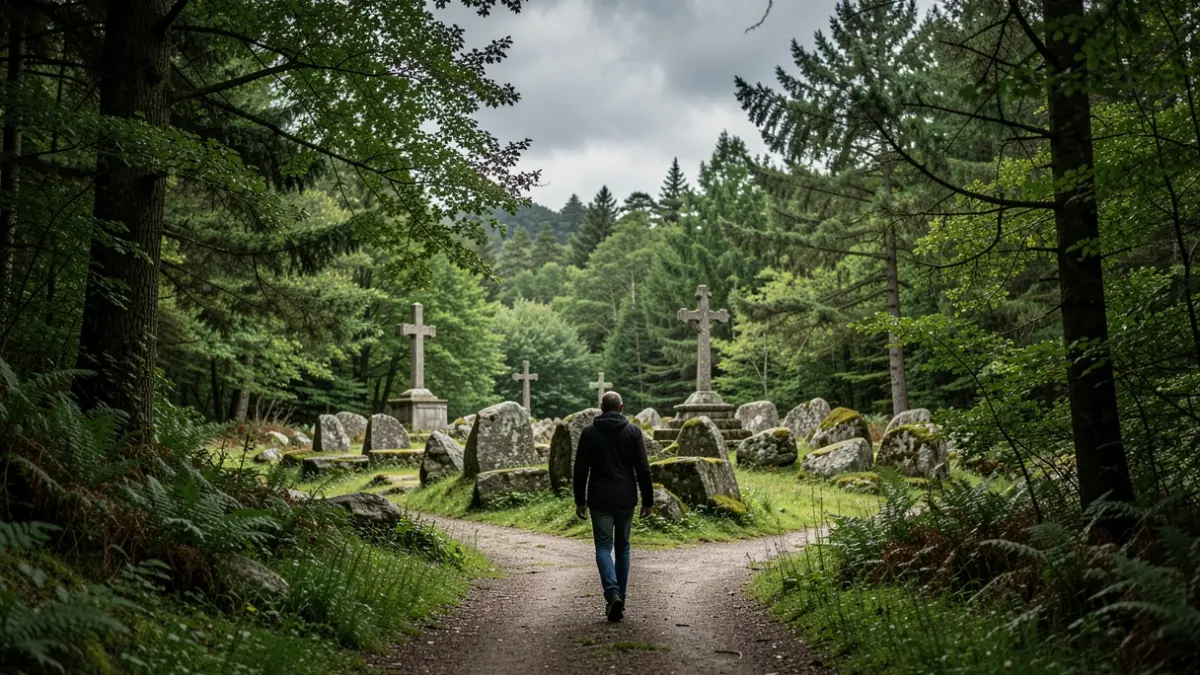
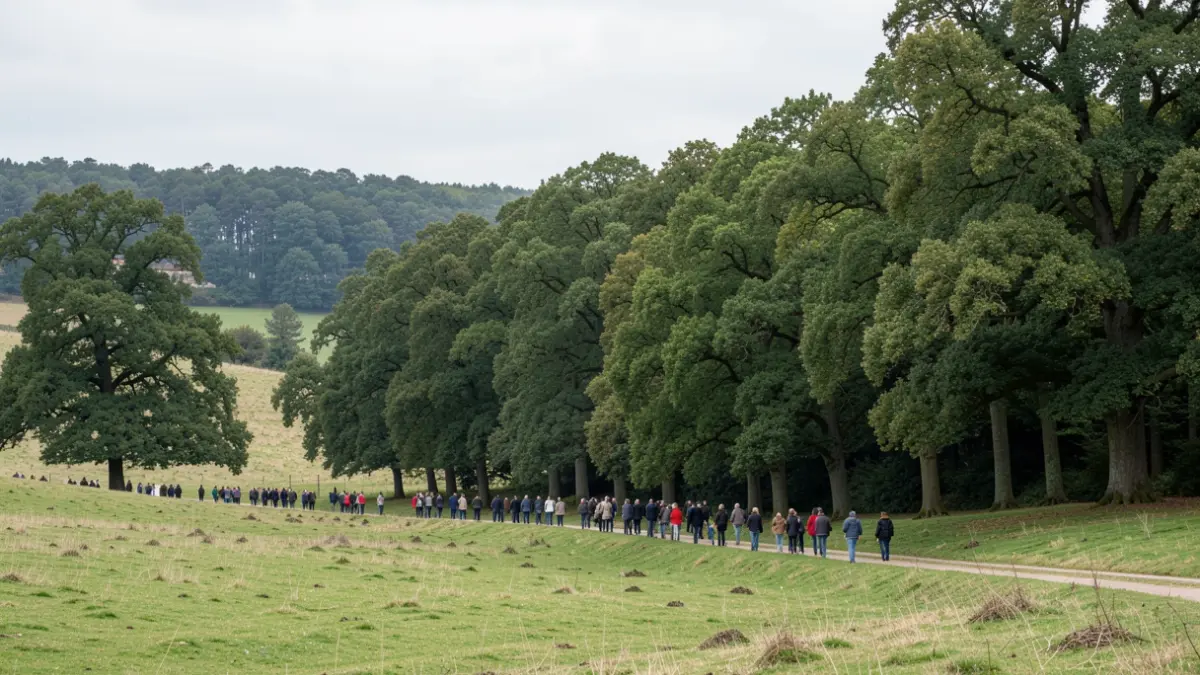
The research involved approximately 30 individuals with cardiovascular conditions who completed two one-kilometer walks. One took place in an oak forest with "low visual openness," and the other in an environment "equally natural, but much more open and with a more uniform ground surface." Heart rate variability parameters, such as the RMSSD index, were compared to determine which environment generated a greater vagal response, associated with relaxation.
A case study recently presented at a conference at the Universidad de León, focusing on an individual with arterial hypertension, suggests that the increase in heart rate variability was "descriptively greater" in the oak forest of As Ermidas, in the municipality of A Lama. These findings indicate that walking in natural environments with different spatial configurations may be associated with distinct autonomic responses.
The outreach event, titled "Nature and Health," will also serve to review the research path of the FS1 group, affiliated with the Instituto de Investigación Sanitaria Galicia Sur, in this line of inquiry. The current project follows a previous study, also funded by the Social Plan Ence, which assessed the influence of forest environment characteristics on autonomic nervous system regulation.
In addition to presenting the results, the event will acknowledge the participants' involvement in the study and discuss the general health benefits of contact with and physical activity in natural environments, with a particular emphasis on cardiovascular pathologies.