The research, led by the Spanish Institute of Oceanography (IEO-CSIC), provides new evidence of changes in the distribution of marine species in the northeastern Atlantic. The CIM's contribution focused on the molecular identification of the specimens using DNA barcoding, combined with the study of their morphological characteristics.
Alejandro de Carlos was responsible for obtaining the DNA barcodes from the samples for molecular identification, comparing their genetic sequences with those of reference specimens. According to the researcher, this technique complements the examination of morphological traits and is particularly relevant for confirming species detected outside their usual distribution areas.
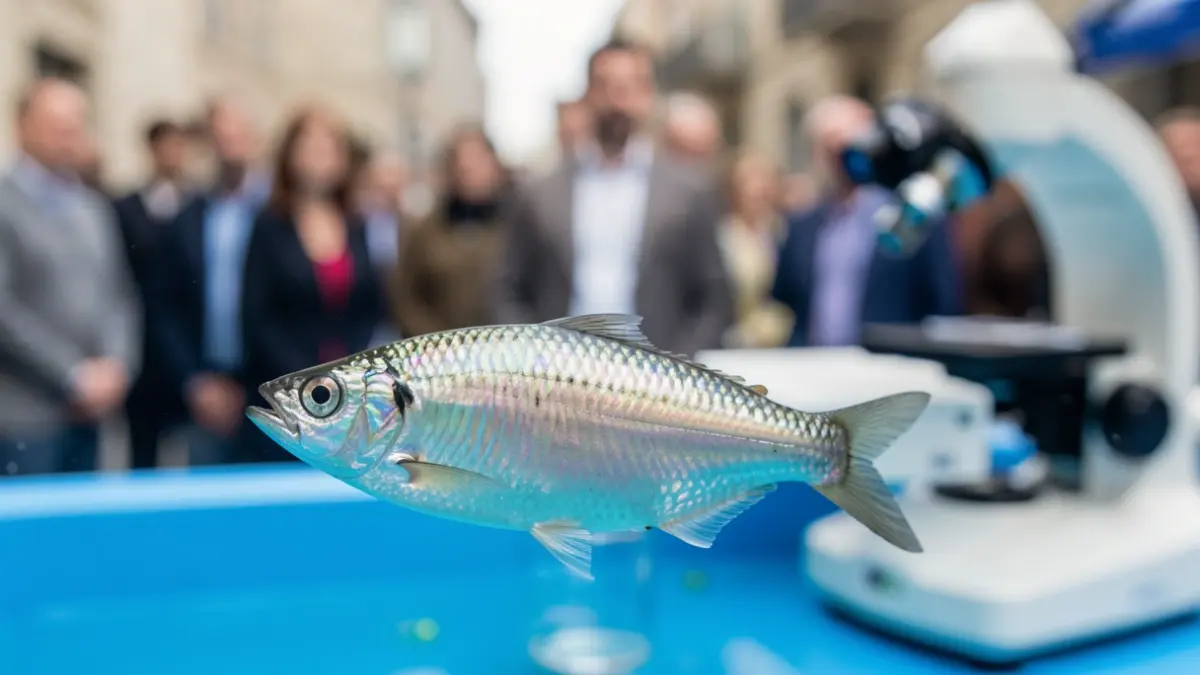
The findings, published in the scientific journal Cybium, reinforce the hypothesis of a progressive tropicalization process along the northwestern Iberian coast. The presence of the flathead grey mullet, caught in early 2026 using purse seines in the north of the region, represents an northward extension of its known distribution limit in the eastern Atlantic.
The discovery could have ecological and fishing implications, as the flathead grey mullet shares resources with the native sardine population, potentially intensifying competition and affecting local fisheries. Rafael Bañón, a researcher at the IEO's Vigo Oceanographic Centre and lead author of the study, highlights the need to document and assess new distribution records in light of the recent tropicalization of the northwestern Iberian coast.
Bruno Almón, a researcher at the Vigo Oceanographic Centre, points out that the northwestern Iberian Peninsula is becoming a sentinel region for understanding how marine species respond to changing conditions. The research underscores the importance of collaboration between institutions and the integration of molecular and traditional methodologies to enhance knowledge of marine biodiversity.