The NaSOS project, an initiative coordinated by CINBIO (Center for Research in Nanomaterials and Biomedicine of the University of Vigo) and developed in collaboration with NanomedCSIC and the Spanish Foundation for Science and Technology (FECYT), seeks to translate the sustainability commitments of scientific policies into the daily practice of research projects, laboratories, and R&D decision-making.
Funded by the call for grants to promote the Culture of Public Innovation (I+P) 2025 from FECYT, the project uses nanomedicine as a pilot area to practically analyze how to integrate sustainability from design and safety to final transfer and application, including the quality of scientific evidence and laboratory activity.
The project was launched at the Vigo campus with the celebration of the NaSOS Forum – Sustainable Nanomedicine: challenges and solutions in the Torre CACTI seminar room. This participatory meeting served to identify and prioritize challenges, opportunities, and needs related to sustainability in nanomedicine research.
CINBIO manager, Noa Caramés, and María del Puerto Morales Herrero, NanomedCSIC coordinator, welcomed the attendees. Lorena Blach, from the CINBIO Management Unit, presented the project's objective and the forum's analysis axes.
Subsequently, Miguel Rodríguez Méndez, Professor of Applied Economics at the University of Vigo, gave the presentation "Integrating sustainability into research: why, for what, and where to start," offering a transversal approach to translating sustainability into concrete R&D decisions.
Carlos Rumbo Lorenzo (ICCRAM-EST, University of Burgos) and Rebeca Alonso Bartolomé (Nanovex, Nalón Innova) presented the talk "Towards safer and more sustainable nanomedicine: from design to translation," addressing the safety assessment of nanomaterials and regulatory requirements.
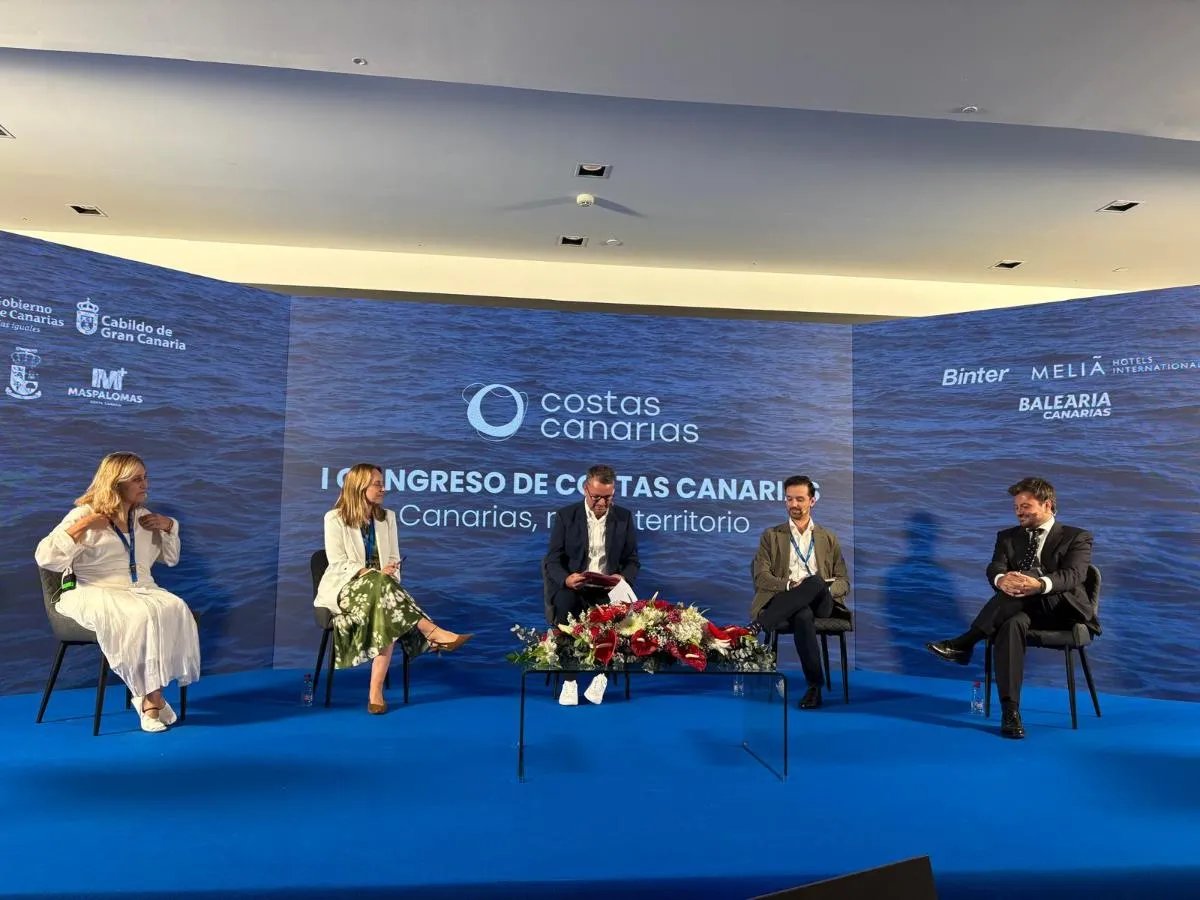
The event also included a round table on the conditions for integrating sustainability into nanomedicine research, with the participation of Luis Liz Marzán (CINBIO-UVigo / CIC biomaGUNE), Miguel Rodríguez (GEN / Ecobas), Carlos Rumbo Lorenzo (ICCRAM-EST), Enrique Rohrer (GAIN), and Noelia Vilar Vidal (Feuga).
The forum concluded with a technical session featuring four simultaneous working groups on safe and sustainable design, quality and traceability of scientific evidence, sustainable management of laboratories, and health and social application/transfer. The conclusions will serve as a basis for future workshops and the development of the NaSOS guide.