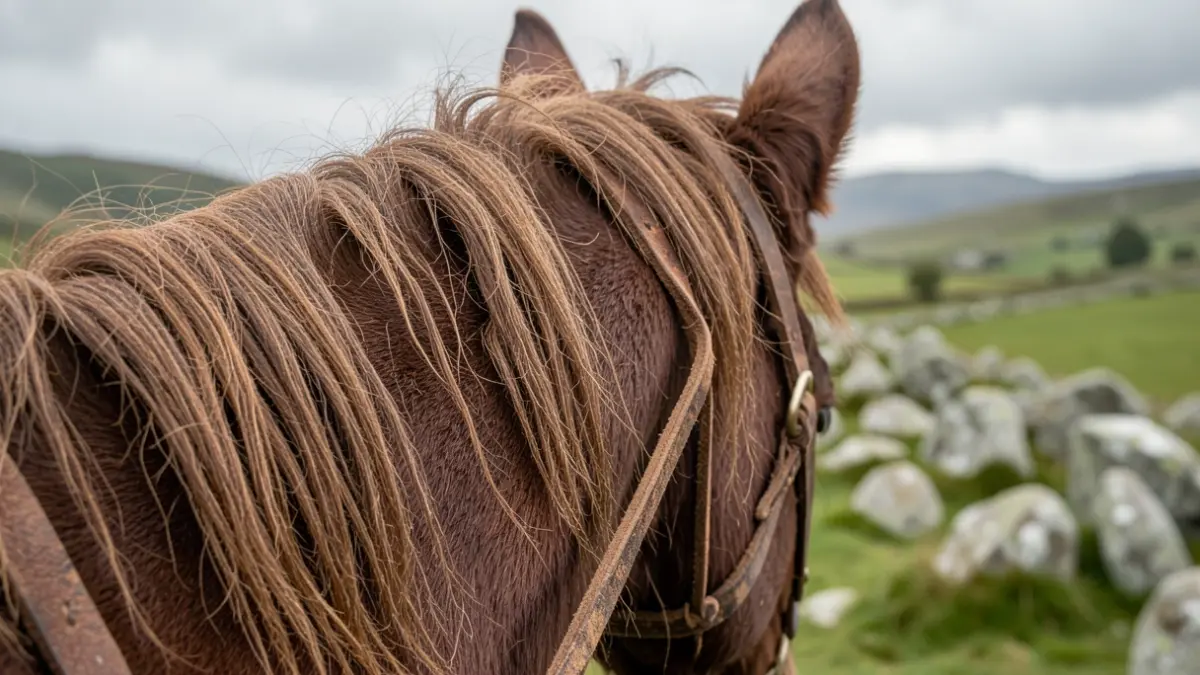
Renowned photographer Adra Pallón from Lugo captures the memory of the beasts and horsemen of Xistral in a book featuring over a hundred images, celebrating horse culture. The work, the result of two years of conversations and effort, documents the daily lives of those who care for, identify, and tame horses living in freedom, posing the question: "how to shoe that which cannot be held?". Following his focus on rural life in "Lumes", Pallón once again turns his lens to the territory's memory.
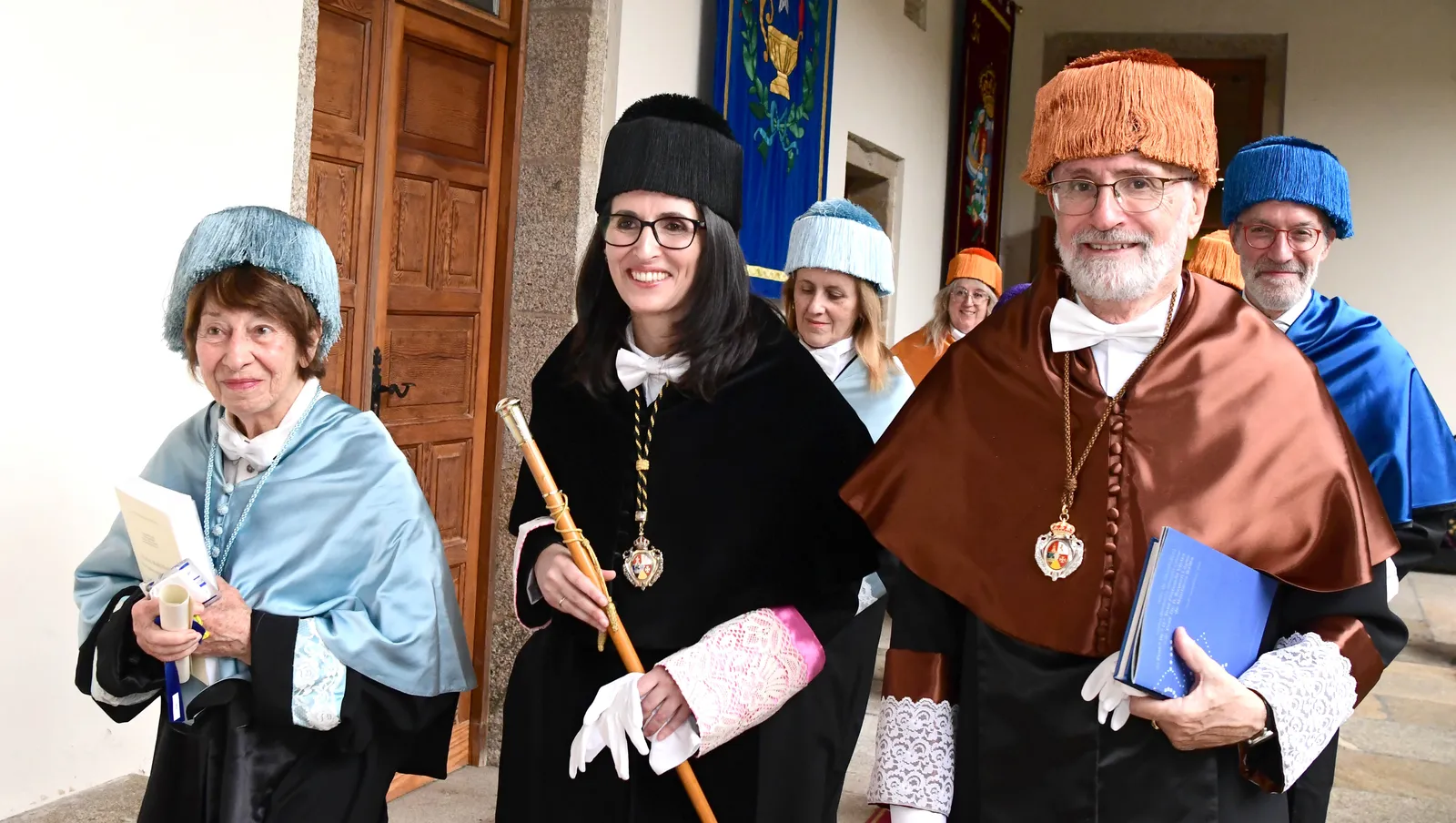
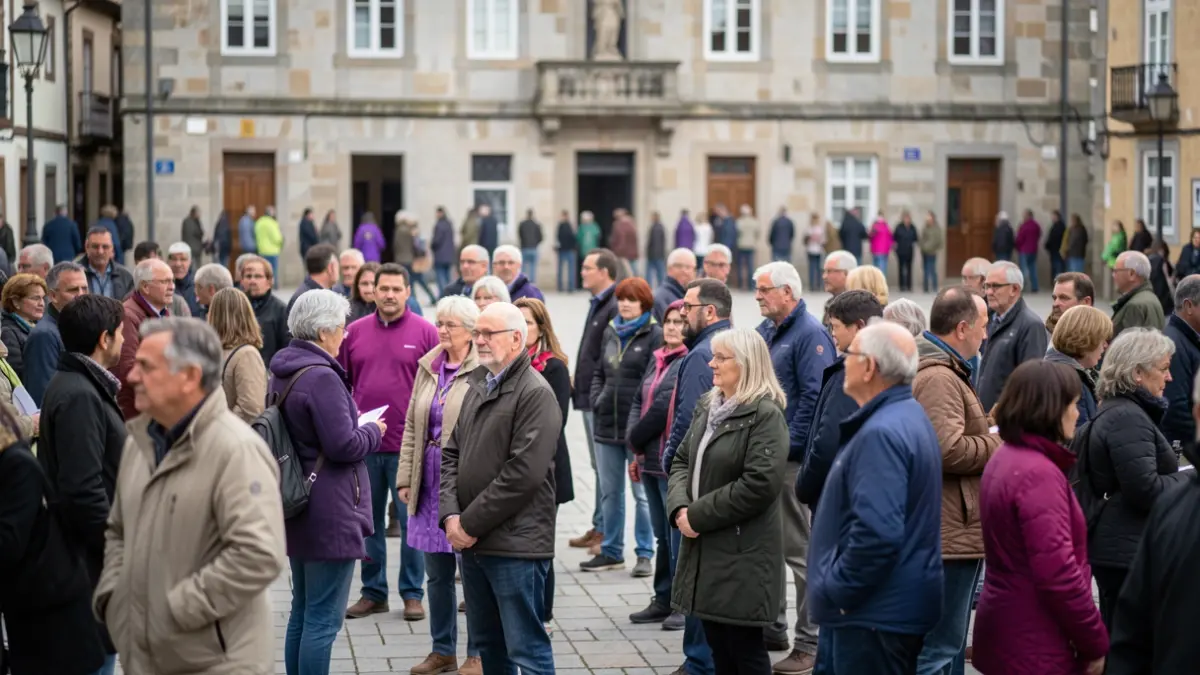
The presentation of this work took place at the Pazo de San Marcos in Lugo, attended by the mayor of Muras, Manuel Requeijo, and local farmer Manuel Capón Cabada. The event also honored Luciano García, founder of Puraga and promoter of the San Lucas horse descent. Adra Pallón, artistic director Belén Cordero, and author of the closing text Neves Neira shared insights into the conversations with farmers and the creative and technical research that led to the book's publication.
Daniel García, Deputy for Rural Affairs at the Vice Presidency of the Provincial Council, stated that "Ferra-lo vento" is a recognition "to all the farmers who keep the horse culture alive day by day in the mountains with your effort". He also expressed gratitude for transmitting this knowledge "around the horseman culture".
The publication uses the brands that farms use to identify animals as a central theme, exploring other traces such as hoofprints in peat bogs, house engravings, landscape transformations, and wind energy expansion. The book's materials also evoke the texture of animal hair and the mountain. The work is divided into three parts: the beasts in their natural environment, the horsemen at work, and portraits of the participants.