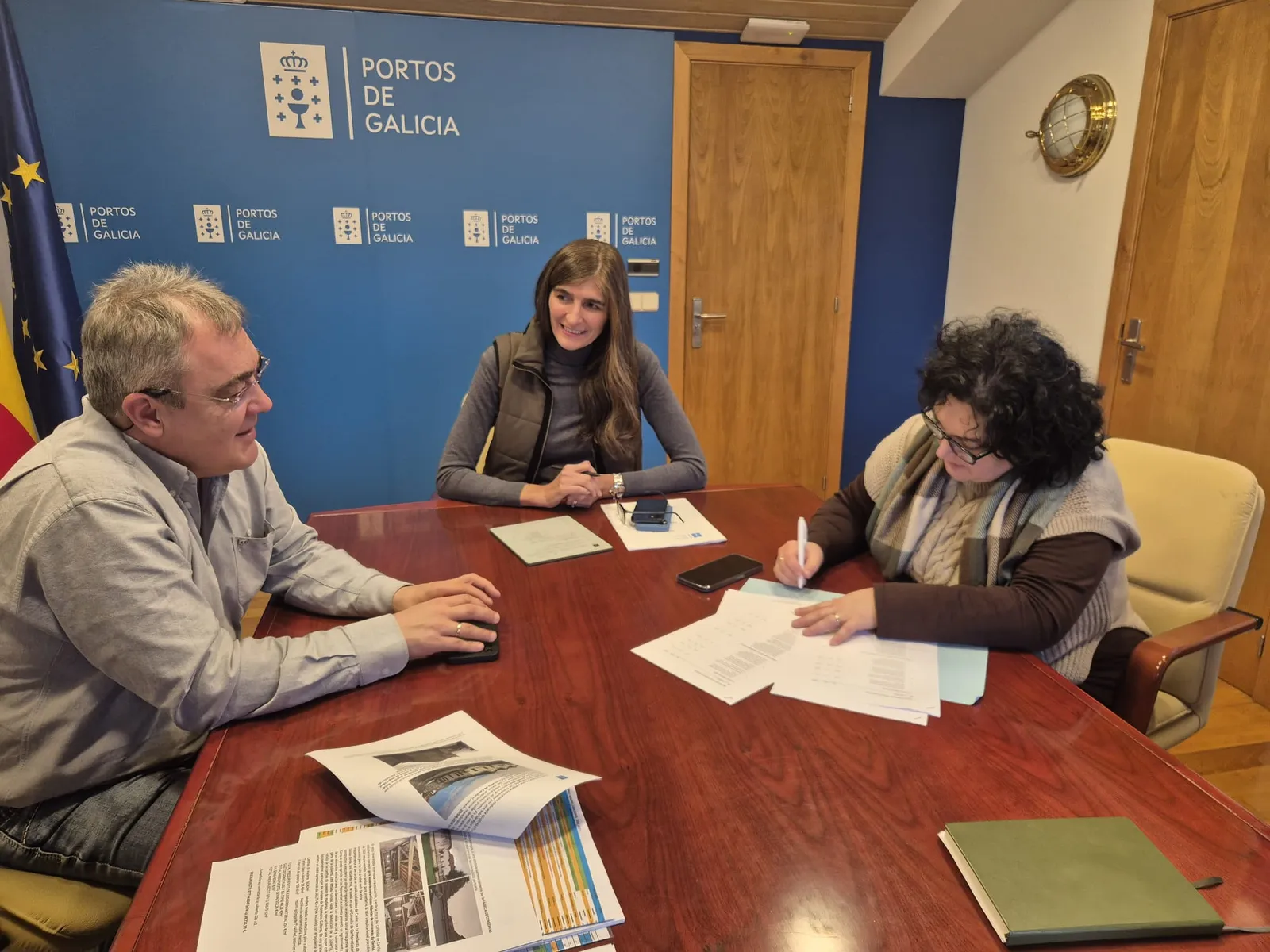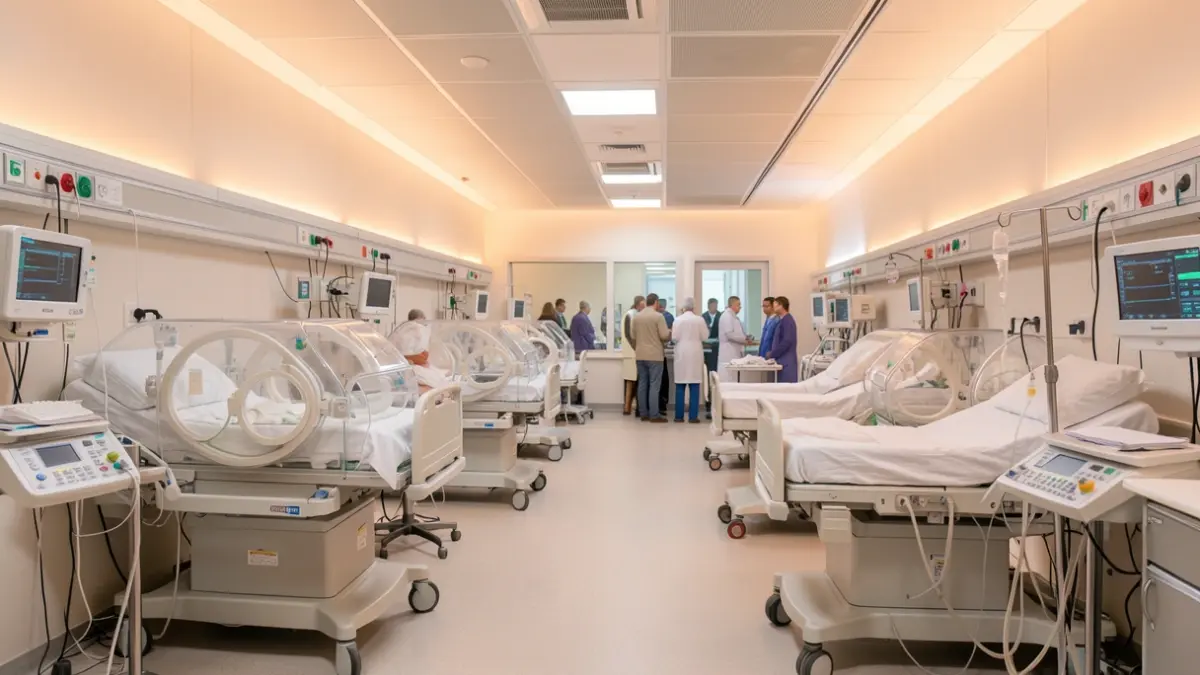
The Minister of Health, Antonio Gómez Caamaño, accompanied by the manager of the health area of Santiago de Compostela and Barbanza, Ángel Facio, toured the facilities of this specialized unit. During the visit, he had a brief meeting with the families of the admitted children.
As part of the Week of the Premature Baby, the Santiago hospital is developing a program of activities including informative sessions, such as 'The World of Neonatal and Infant Colic,' led by physiotherapist Sonia Gallego, musical performances, and a photography contest.
Gómez Caamaño announced that in 2027, the Galician program for early detection of endocrine and metabolic diseases in the neonatal period will be reinforced with 125,000 euros, aiming to expand the number of pathologies analyzed.
The Galician neonatal screening strategy, which has already tested nearly 500,000 newborns, has enabled the early identification of over 1,400 cases of potentially serious diseases. Galicia boasts the most extensive neonatal screening portfolio in Spain, evaluating a total of 51 pathologies.
The Neonatology Service of the Santiago de Compostela University Clinical Hospital Complex is a national reference unit (CSUR) for congenital metabolic diseases and a regional reference for active neonatal hypothermia and complex polysomnographies. Last year, it recorded the birth of 1,895 healthy babies, 244 neonatal admissions, and 103 ICU admissions.
Furthermore, since 2016, it has housed a Donor Human Milk Bank, serving as a reference for the provinces of A Coruña and Lugo.