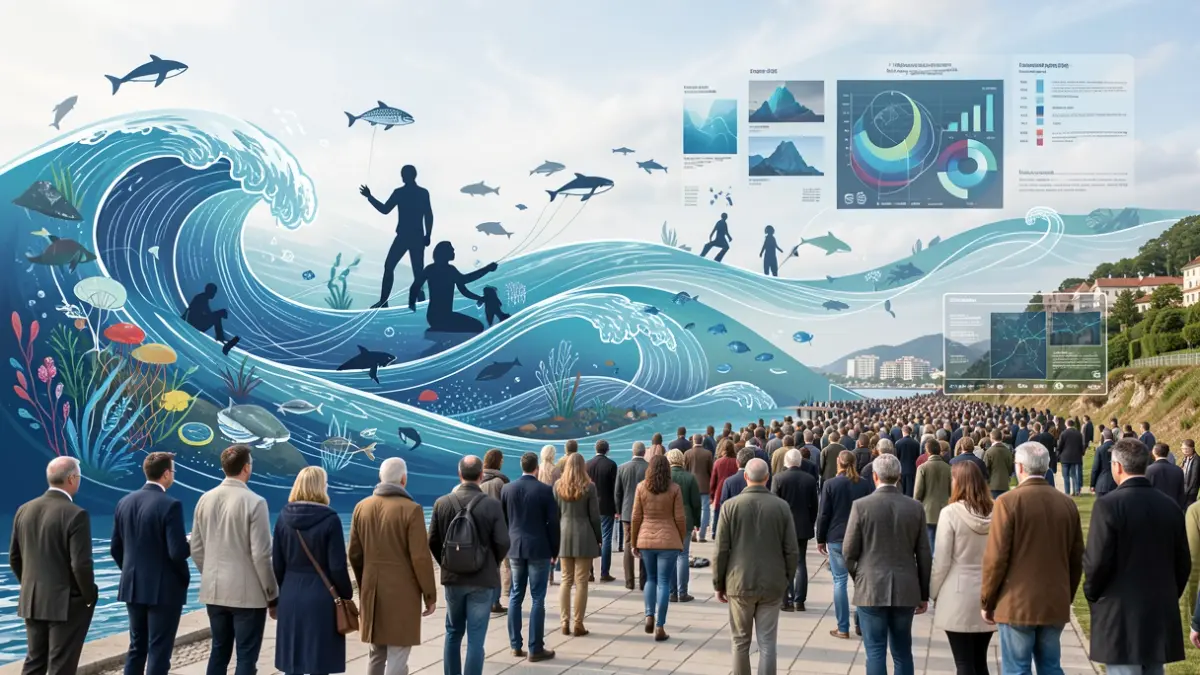
The new index seeks to go beyond economic, health, or education aspects to include how societies value and conserve ecosystems. The goal is to reflect the complexity of the relationships between societies and their natural environment and their influence on human well-being and sustainability.
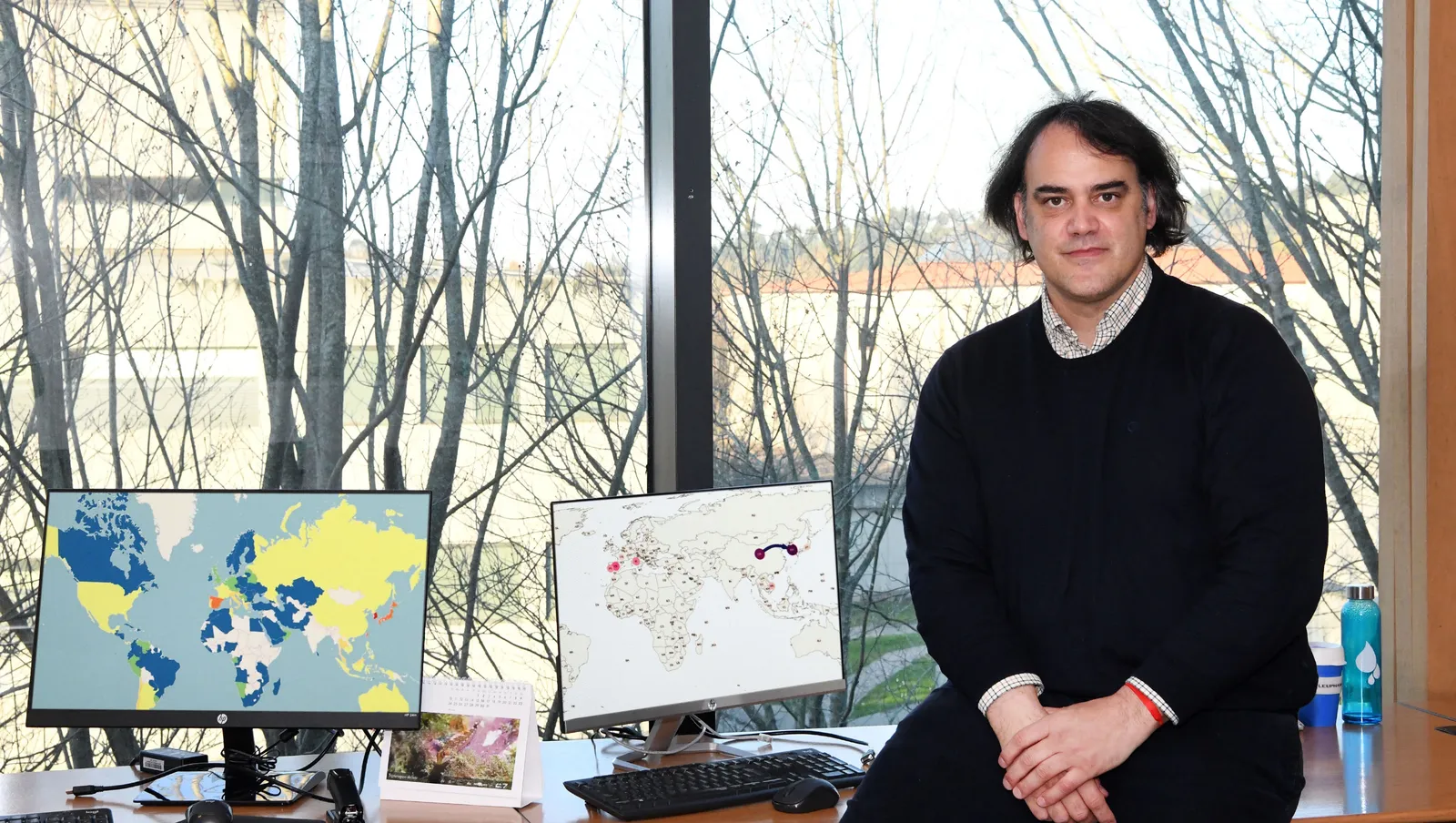
In this context, Sebastián Villasante, a researcher from the Oportunius program and IP at CRETUS, will contribute to the index with a focus on marine and coastal ecosystems. His work will involve developing indicators to assess the links between people and the ocean, considering not only the resources it provides but also its social, cultural, and environmental importance.
This dimension will encompass aspects such as the livelihoods of coastal communities, traditional marine knowledge, cultural identity, ecosystem stewardship, and citizen participation in decisions regarding marine resources.
The scientific foundations of the NRI were presented in an article published in the journal Nature in June 2025. Currently, the UNDP's Human Development Report Office is working on developing the index through scientific contributions and consultations.
The NRI is scheduled to be incorporated into the 2026 Human Development Report. Villasante's specific contribution to the marine and coastal dimension will be developed in a later phase, planned for 2027, aiming to translate these relationships into indicators that can help better understand the links between people and oceans and guide public policies.