For two days last September, the Occupational Therapy department of the Psychiatry Day Hospital at the CHUF implemented a network-based work proposal, developing co-creative projects through programming with Makey Makey and Scratch, with a focus on social participation. These projects were showcased this morning at the main entrance of the Arquitecto Marcide Hospital of the Complex.
Occupational Therapy considers this exhibition "reflects that technology also serves to foster joint participation and creation, to exchange ideas, and to achieve doing something you thought you couldn't do," explains Nuria García Gonzalo, occupational therapist for the Area and project coordinator. These projects combine creative techniques with this technology, "objects that come to life through creation," they note. There are six projects, all focused on the interests of the individuals in each working group, and related to music, sports, or cinema.
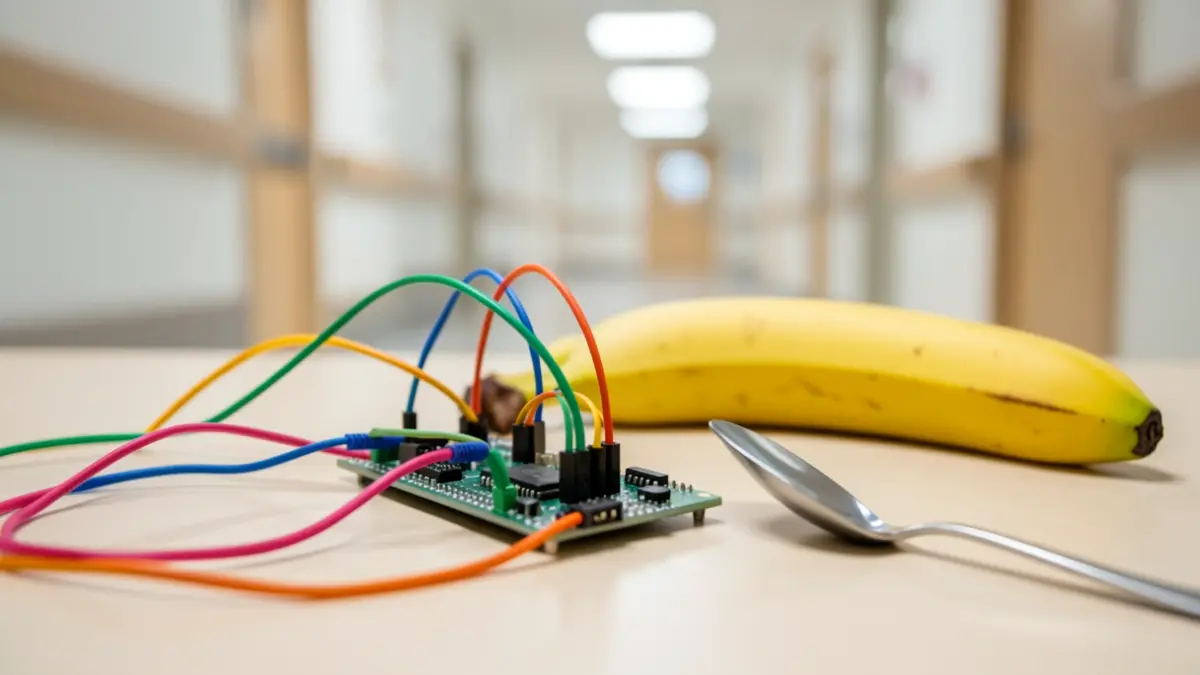
Through this initiative, CHUF's Occupational Therapy collaborated with a research group from the University of A Coruña (UDC) to investigate the feasibility of applying basic programming tools in mental health. The co-creative workshops used the Makey Makey project, which connects the digital and physical worlds, and Scratch, for developing mental skills through learning programming. Each group designed a different creative project, which they shared at the Arquitecto Marcide Hospital.
"It was a big challenge, which is why we did it in groups; and everyone contributed their solutions at different stages of the project and according to their abilities," explained Nuria García. The objective was to investigate if these tools can be applied in mental health and if a technology project can create connections and bonds between people.
Furthermore, last Friday concluded the workshop "Habits and Routines for Sleep, Caring for Rest is Caring for Health," organized by the Occupational Therapy Area. Taught by occupational therapist Lucía Moreda Santamaría, the workshop focused on how sleep is a fundamental part that structures daily life and must be built with daily routines. Strategies were discussed for organizing the day, reducing activation, and designing realistic plans that promote rest, with the aim of "ordering the day to care for the night."