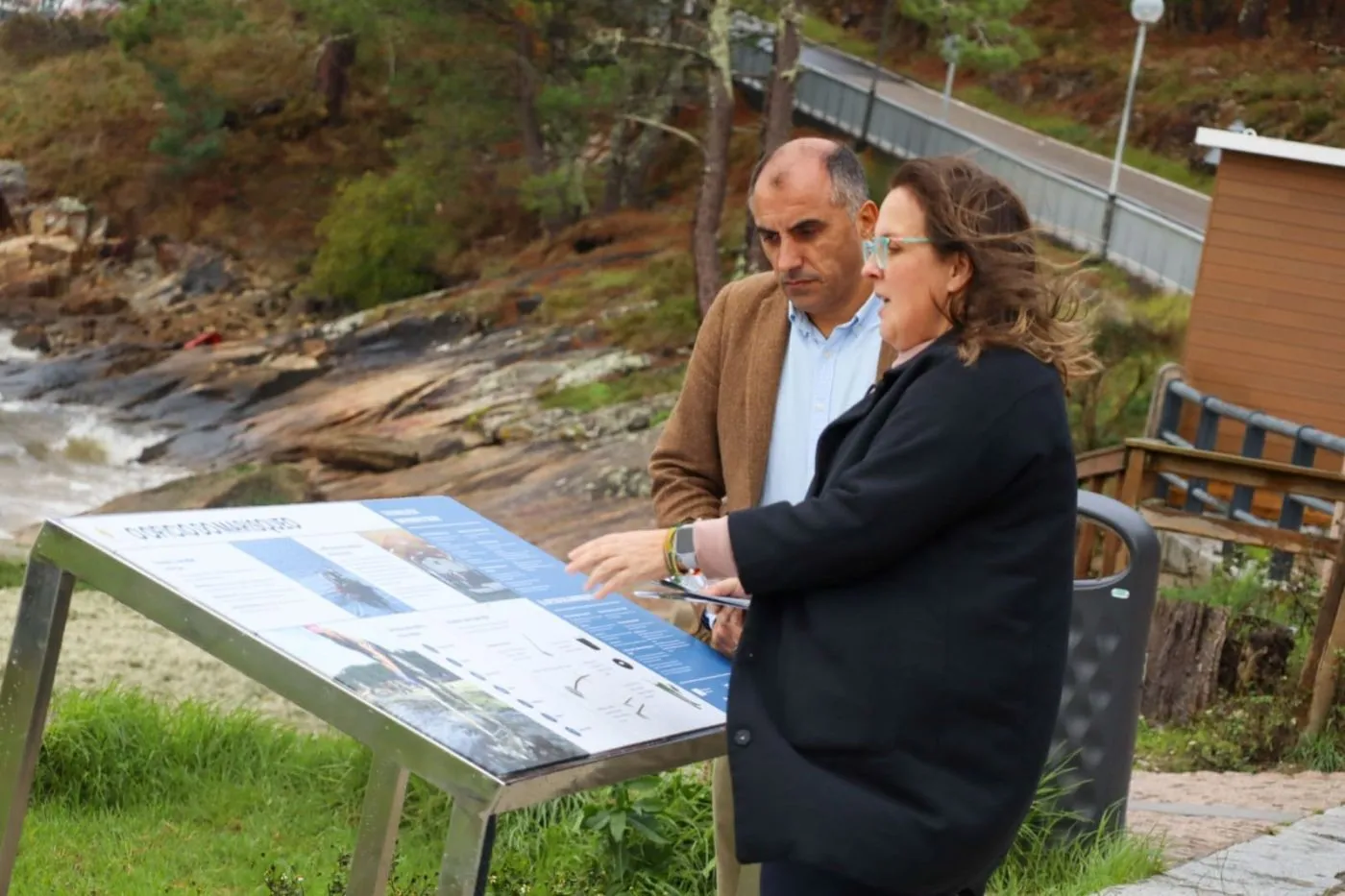
The Poio City Council is advancing in valuing maritime culture by installing new interpretive panels in Cabeceira and A Seca, alongside the creation of educational material about shellfish farming. This initiative, supported by a grant of nearly 8,000 euros from the GALP Ría de Pontevedra, seeks for visitors to learn not only about gastronomy and landscapes but also about the traditions and people behind this profession.
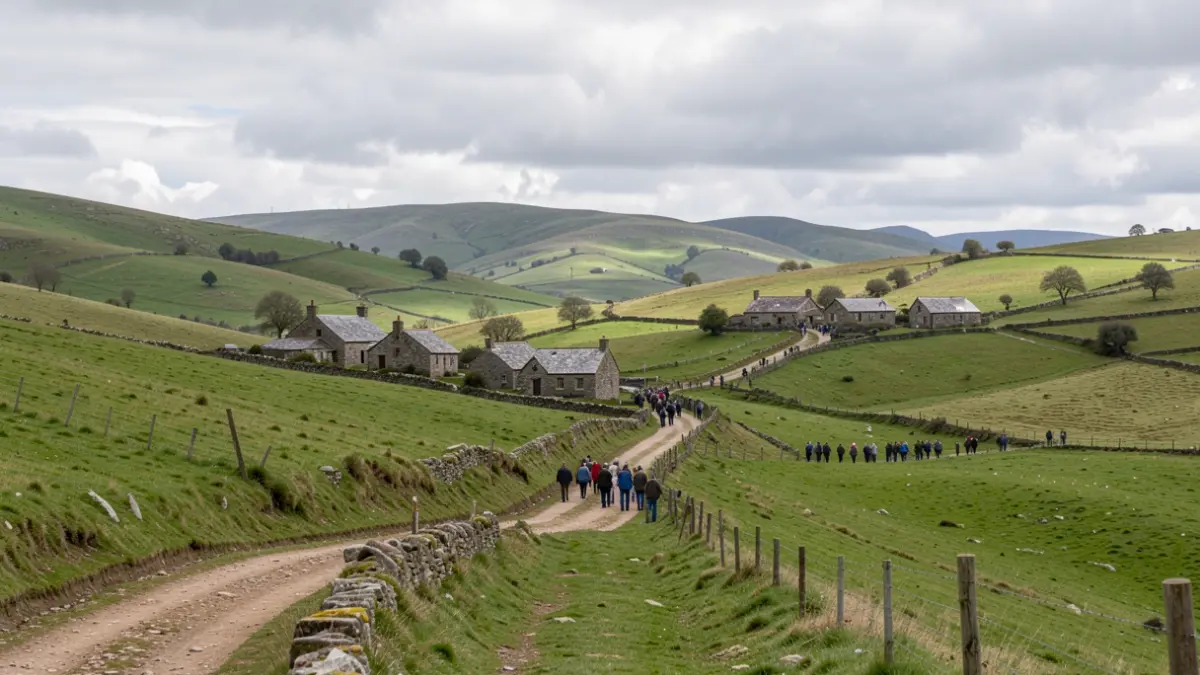
The informative panels are located on blue trails, one of them near the Espiritual Variant and the Ruta do Padre Sarmiento, Jacobean routes that attract over 40,000 people annually, predominantly international pilgrims. The goal is for those visiting Poio to discover the history, knowledge, and contribution to the municipality's economy and identity represented by the shellfish farming profession.
“"We want people who visit Poio to take away more than just a gastronomic or scenic experience, to discover its maritime culture and want to return."
Mayor Ángel Moldes and Tourism Councilor Rocío Cochón inspected the installations. Moldes highlighted the growing interest from pilgrims and visitors, especially international ones, in sea-related activities, noting how the Espiritual Variant allows observation of shellfish farmers at work. This initiative follows up on other proposals such as the Festa da Ameixa de Campelo, Ameixa no Camiño, and gastronomic events.
The project aims to convey the history, knowledge, and experience of shellfish farming professionals, recognizing their work and reinforcing municipal efforts to preserve maritime heritage. Accessibility to information and the dissemination of intangible heritage are fundamental to this tourism promotion strategy.