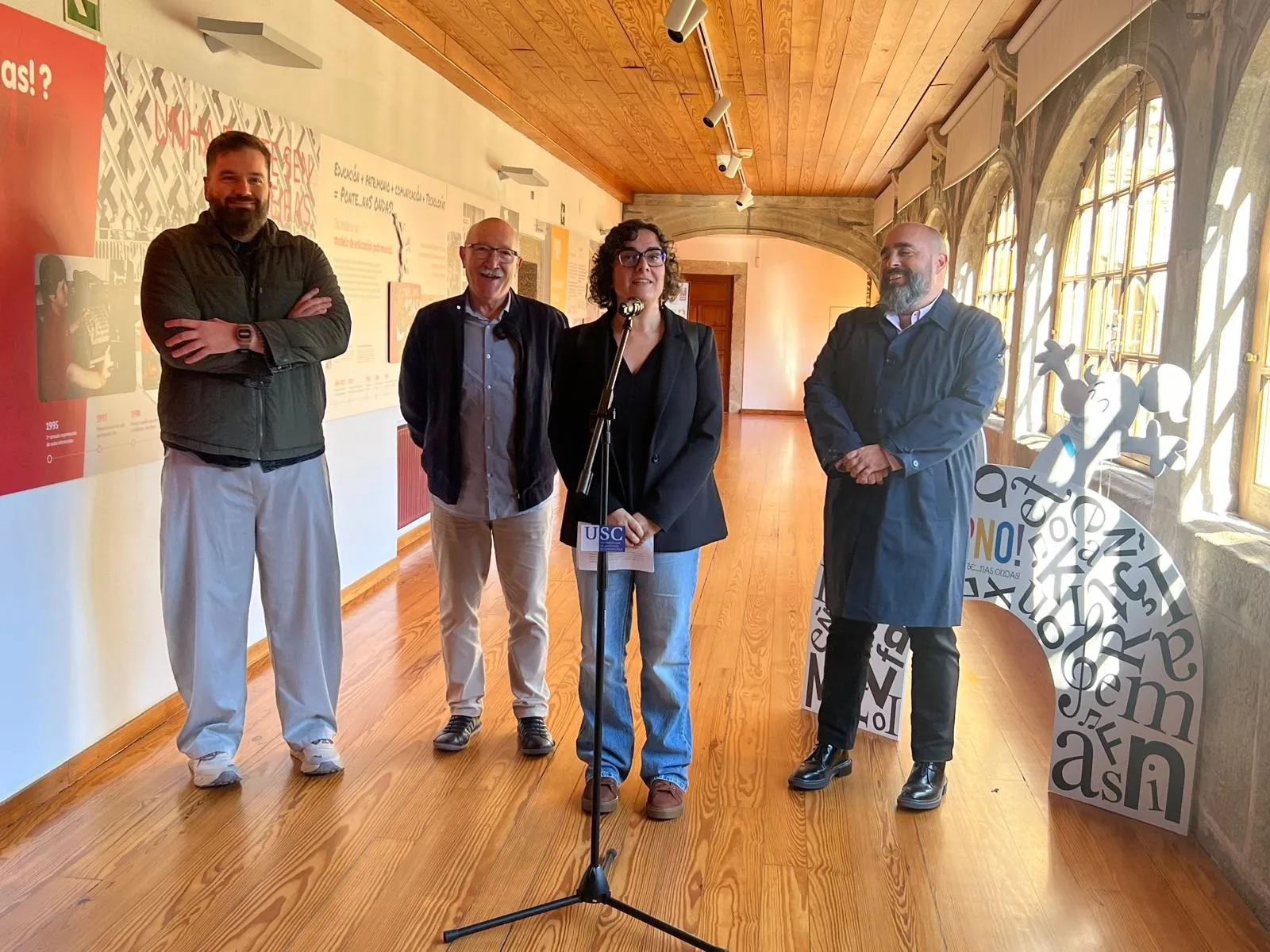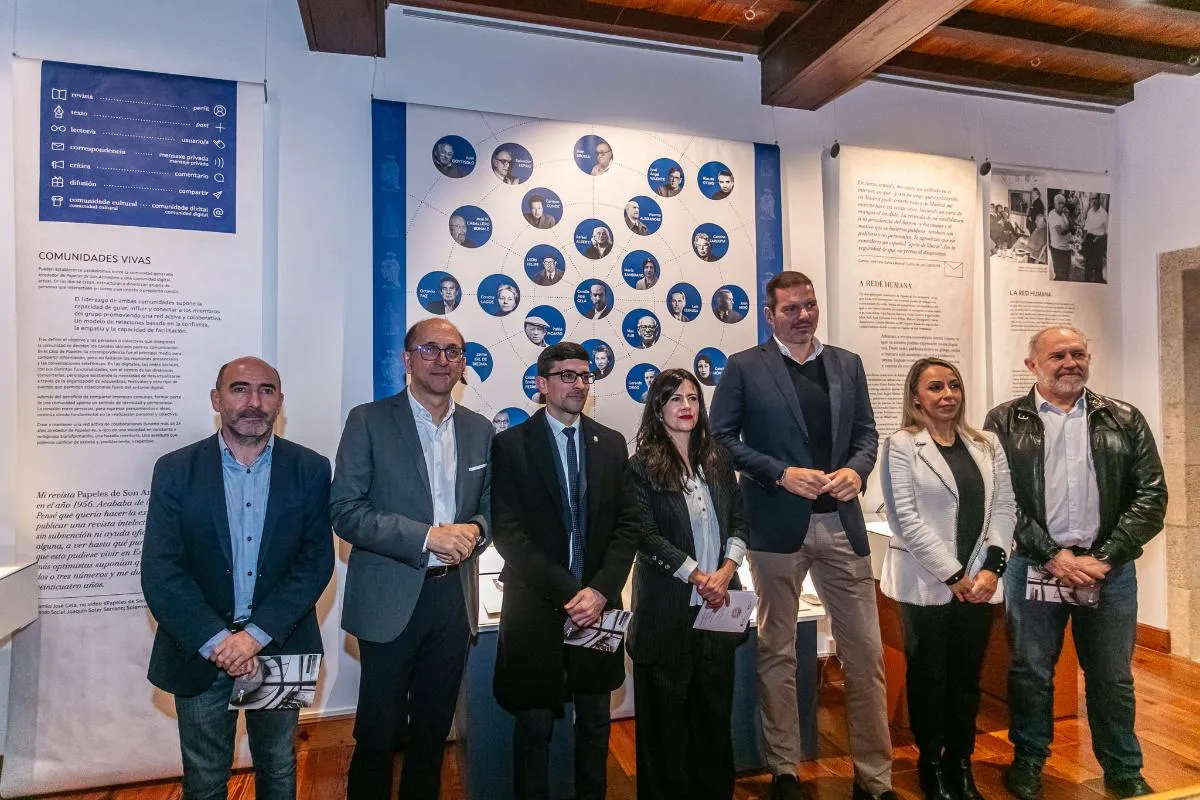
The exhibition, which can be visited until February 2027 at the Camilo José Cela House Museum, aims to highlight Camilo José Cela's work in promoting and dignifying Galician literature and other co-official languages. The minister emphasized the writer's "relevant contribution" in ensuring the quality of Galician letters was not diminished by exile or the dictatorship's censorship.
López Campos highlighted the "linguistic polyphony and literary dignification" that Cela promoted through the publication, active between 1956 and 1979, "giving space and voice to Galician and other languages that, at that time, were denied official recognition".
The exhibition reflects Cela's commitment to featuring prominent figures of Galician literature in the magazine, such as Celso Emilio Ferreiro, Xosé Neira Vilas, María do Carmen Kruckenberg, Aquilino Iglesia Alvariño, Ricardo Carvalho Calero, Uxío Novoneyra, José Ángel Valente, Manuel María, among others, alongside authors writing in Catalan or Basque.
Furthermore, the minister pointed out the "network, community, and cultural resistance ahead of its time" that the Galician writer achieved through this publication, which hosted creations by artists like Joan Miró and contributions from philosophers like Maria Zambrano, poets like Rafael Alberti, Cernuda, or Jaime Gil de Biedma, musicians like Jesús Bal y Gay, and journalists like the Galician Ben-Cho-Shey.
The exhibition displays photographs, correspondence, manuscripts, drawings, texts, personal objects, and documentation, including Camilo José Cela's letter to Vicente Aleixandre announcing the magazine's launch and requesting his collaboration, Pau Fornés' mural illustrating the editorial office in Palma de Mallorca, and handwritten drawings and dedications from Pablo Picasso, Antonio Saura, and Joan Miró.