The initiative, which seeks to keep forests active, generate resources, and reduce fire risk, was presented yesterday at the social center of Muimenta, in Carballeda de Avia. The event was attended by the mayor, Luis Milia, and the territorial director of the Consellería do Medio Rural, José Antonio Armada.
Activaverde, promoted by the Universidade de Santiago, the Fundación TerrEO, the GDR Terra e Auga, and the Concello de Carballeda de Avia, plans to implement five multifunctional agricultural systems. It will include regenerative silviculture actions, silvopastoral use, as well as bioeconomy plans and short marketing channels.
Several successful experiences were presented during the event. Xosé Taboada, a member of the Vincios forest community, explained how the introduction of native Cachena cows, goats, and sheep, along with beekeeping and the creation of broadleaf strips, helped reduce fire risk after the 2017 fires. "Introducing livestock helps protect native breeds, prevent fires, and obtain food," he noted, highlighting the sale of "kilometer zero" products since 2023.
Melissa Terán, founder of the beekeeping company Meleiras do Suído, emphasized the role of beekeeping in biodiversity and its contribution to forest cleaning and surveillance. Juan Picos, a professor of Forest Engineering at the Universidade de Vigo, also spoke, discussing bioeconomy and resilience against forest fires, advocating for local action and the recovery of agricultural activity.
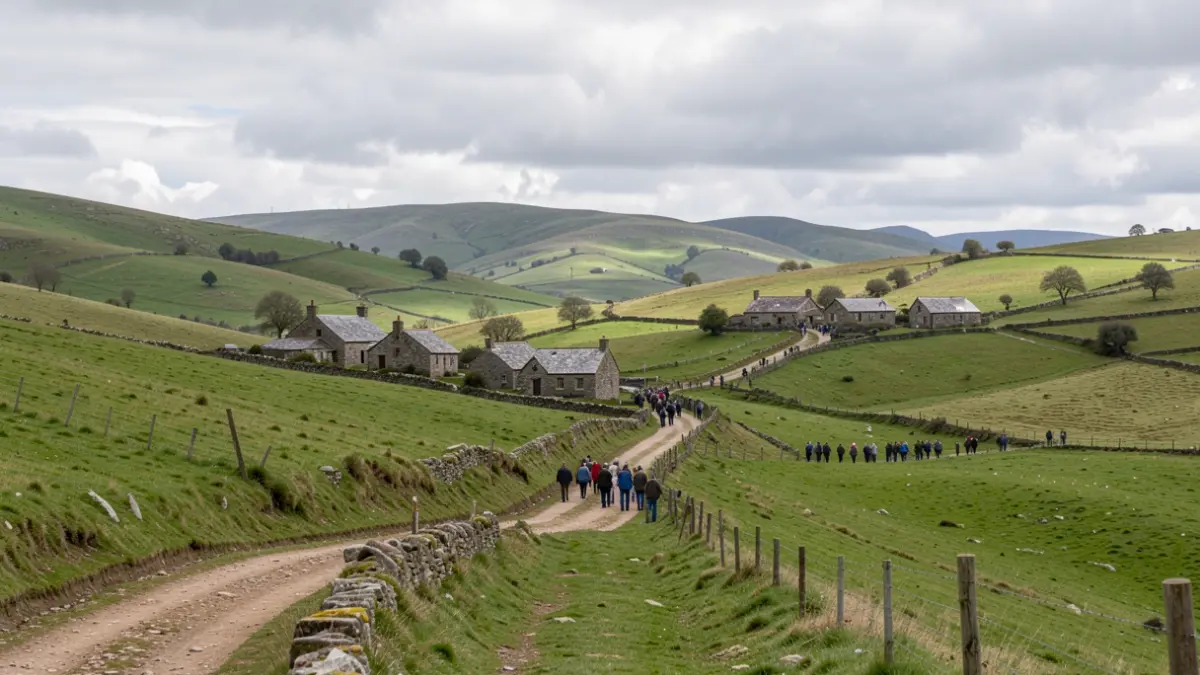
The event concluded with a guided tour by Lucía Escrigas, from the Fundación RIA, to learn about the coliving space at Muimenta Viva and the integration program of the rehabilitated village.