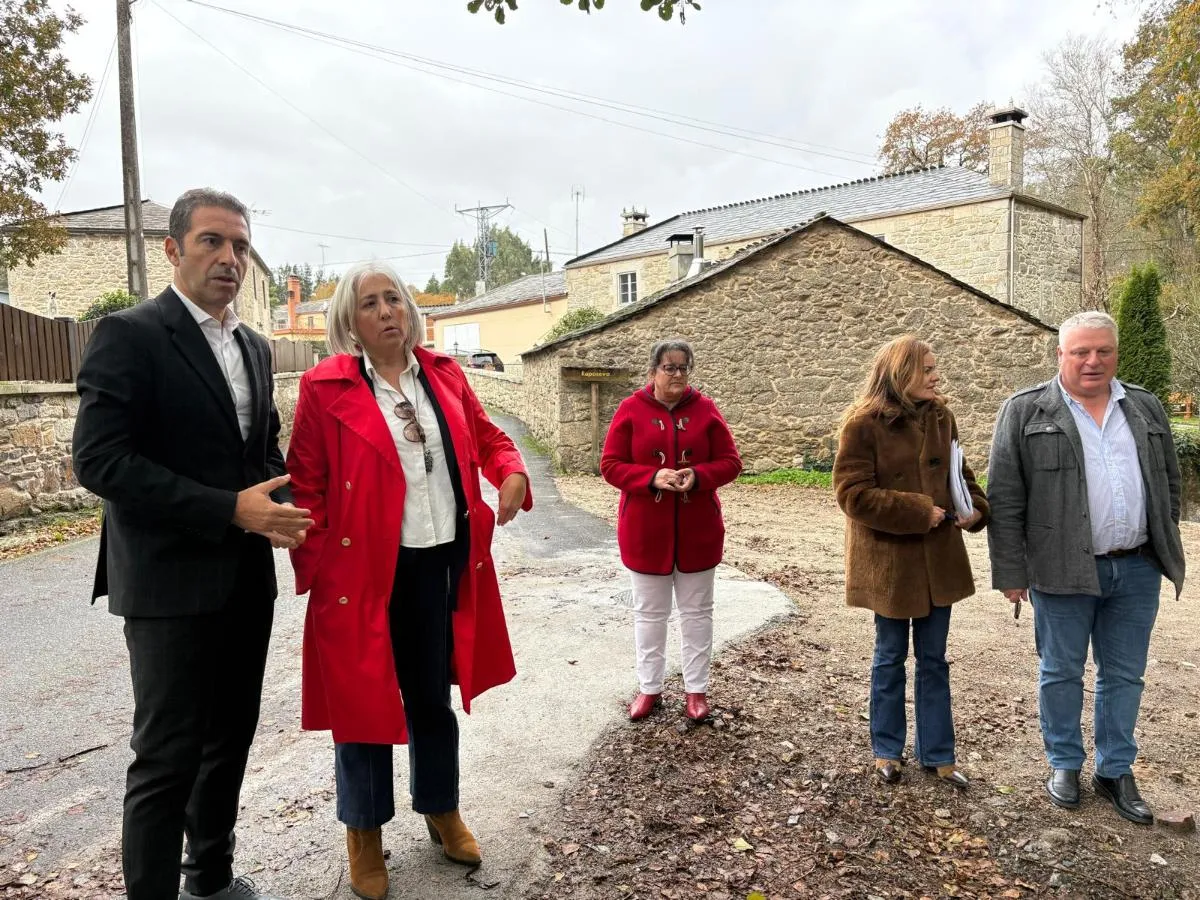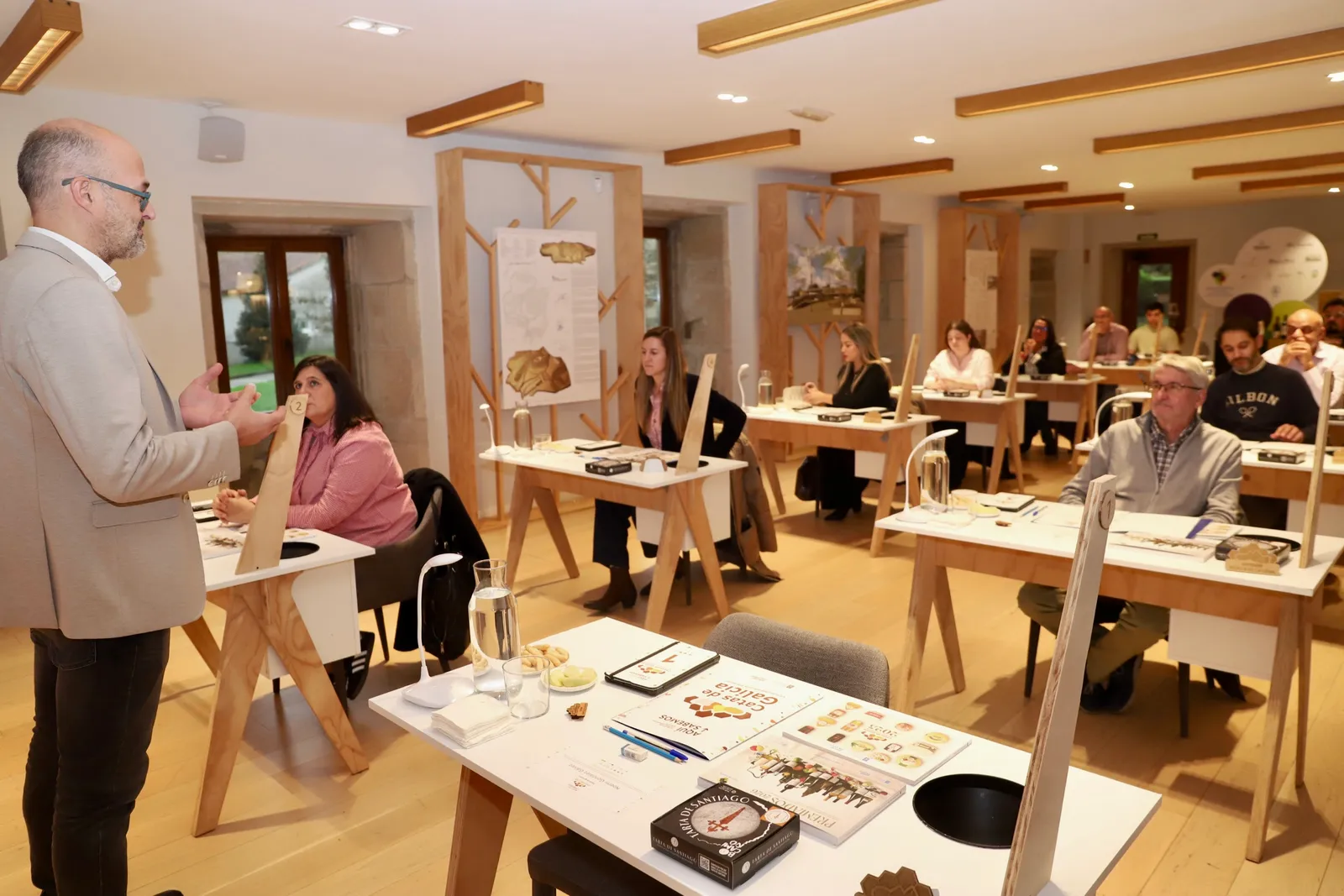
The project, unveiled at the Alexandre Bóveda Cultural Association, seeks to equip the monastery with a museographic narrative that allows for an understanding of its historical, cultural, and territorial importance. The Deputy for Heritage, Xosé Penas, alongside the Head of Architecture for the Deputation, Daniel Beiras, and the project director, Adolfo Seler, participated in the event.
Deputy Xosé Penas emphasized that the intervention goes "far beyond an intervention in a historic and heritage building," as it aims to "give a voice to these stones" and explain the monastery's role as a "fundamental and indispensable piece for understanding the history of Galicia as a country, and at the same time as the kingdom it once was."
The initiative stems from a political reflection started three years ago and represents a step beyond mere architectural conservation, focusing on dissemination and enhancing collective memory. Penas highlighted the need for Caaveiro to be a space for learning and understanding history, not just a backdrop for photographs.
He described the proposal as the creation of a "museum of reflection" aimed at schoolchildren, families, and visitors, which will explain the role of Galician monasteries as economic drivers, centers of power, cultural spaces, and key elements in territorial organization. He also advocated for the importance of decentralizing cultural offerings to rural areas.
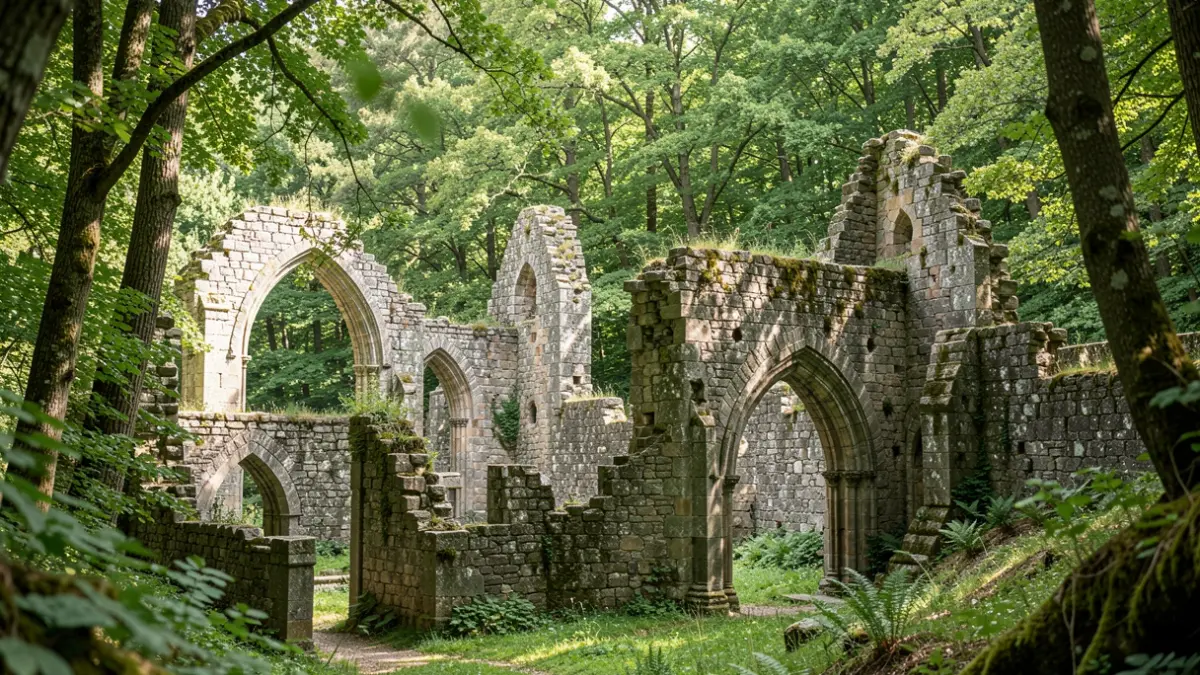
The Caaveiro project draws inspiration from European models of monastic complex musealization, such as San Juan de la Peña (Aragon), Santa María de Ripoll (Catalonia), Tibães (Portugal), and the abbeys of Fontenay (France) and Fountains (United Kingdom). The landscape of the Fragas do Eume is considered an integral part of the interpretive discourse, integrating the visitor experience with the natural surroundings.
This musealization is part of the Deputation's vision for cultural and territorial tourism, promoting visits that are respectful of the environment and contribute to the region's value. Penas concluded that the project is a "commitment to the present and future of Galicia," aiming for visitors to leave with a greater understanding of "who we are as a people and as a country."