
The initiative, part of the European Risc_Plus project, has concluded with the presentation of advances during the closing day held in Monçao (Portugal). The UVigo team developed hydrological modelling and extreme event prediction work, aiming to support the adoption of preventive measures.
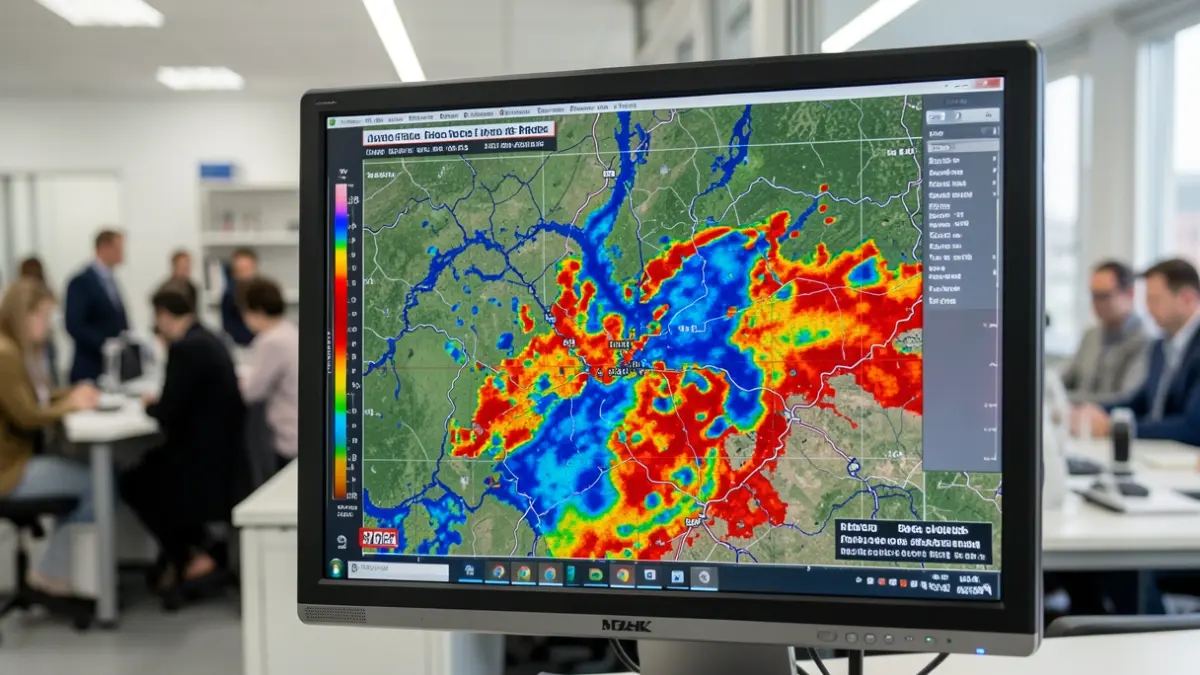
One of the main results was the update of the Midas (Miño Flood Alert System), developed for the Miño-Sil Hydrographic Confederation (CHMS). The incorporation of improvements in hydrological models allowed the coverage to be expanded to 92 points of prediction and hydraulic simulations to be extended to 20 locations, including Ourense, Lugo, Ponferrada and Ponteareas. Additionally, the visualisation platform was renewed to facilitate the consultation of flood maps.
Researchers also advanced in the study of atmospheric rivers, identifying their presence in more than 90% of days with extreme flows. The incorporation of this information into artificial intelligence-based models showed promising results for anticipating extreme floods in the medium term, with 7-8 days of advance notice.
The project, co-financed by the European Union through the European Regional Development Fund (ERDF) and the Interreg VI-A Spain–Portugal programme, also assessed the socio-economic impact of climate change. Estimates point to a possible increase in annual wildfire suppression costs in the province of Ourense, from 16 million euros to nearly 49 million per year by the end of the century. For the Belesar reservoir, projections indicate annual losses of between 1.9 and 6.7 million euros in hydroelectric production between 2030 and 2059.