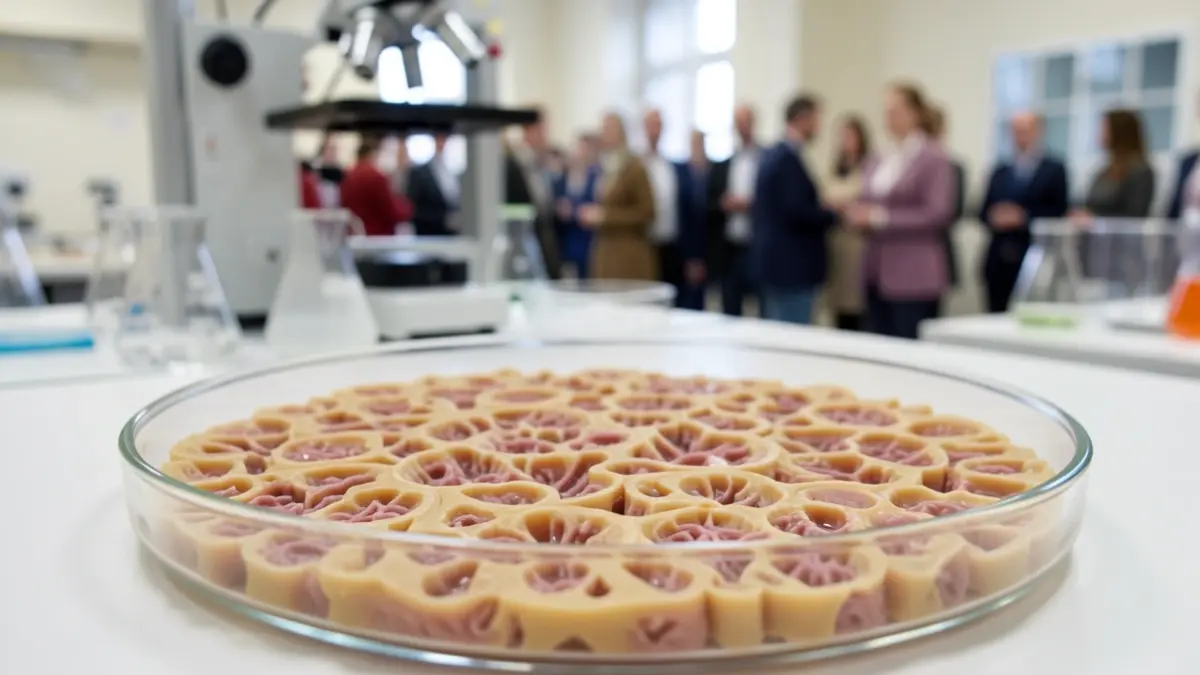
The study, titled "From Tumoral Tissue to 3D Model: Processing and Development of Organoids", was presented by the Biobank's senior technician, Carolina Gómez de María. This marks the first time in 83 previous meetings that senior technicians from biobanks have actively participated by presenting their work.
The research explores how patient tumor samples can be transformed into living three-dimensional models (organoids and tumoroids) that replicate characteristics of the original tumor. This technology, which relies on biobanks' conservation of viable tumor samples, is presented as a promising tool to bridge basic research with clinical practice and advance towards personalized medicine.
The implementation of these models requires coordinated work among professionals from different hospital services. Carolina Gómez de María reviewed the stages of obtaining, culturing, and validating these models, explaining how they can be used to study cancer biology, investigate resistance mechanisms, and evaluate responses to different treatments.
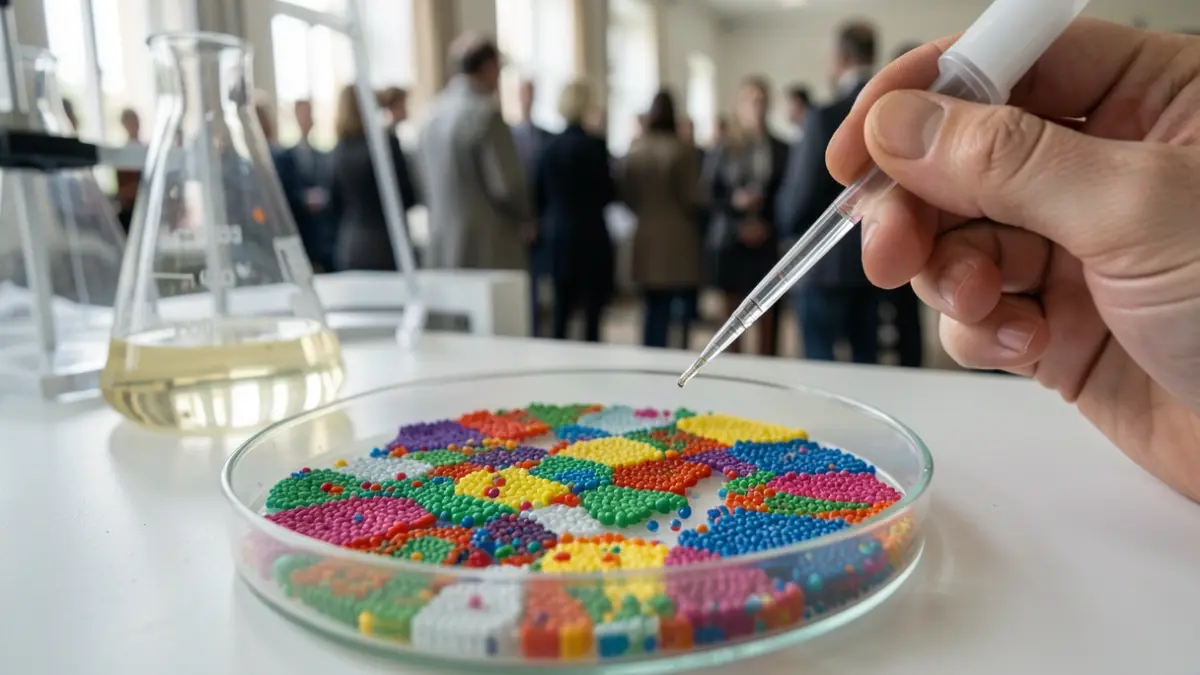
Organoids are miniature versions of organs cultured in vitro that self-organize and reproduce part of the architecture and cellular composition of the original organ. Tumoroids are three-dimensional cell cultures derived from tumor cells that mimic the structure and molecular characteristics of the patient's tumor.