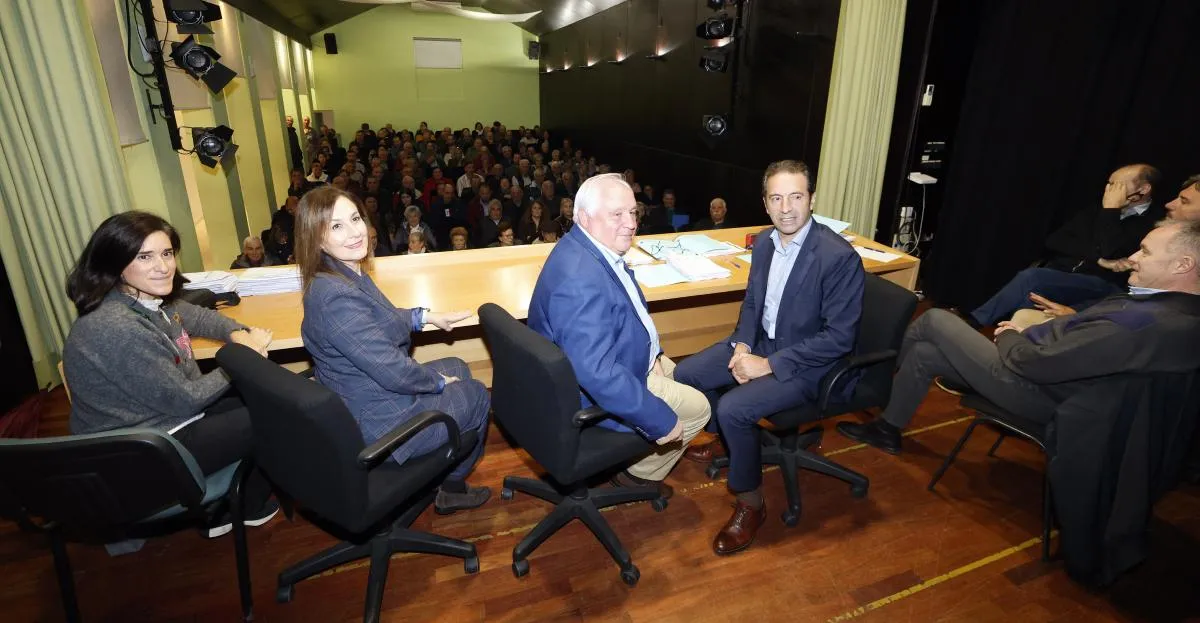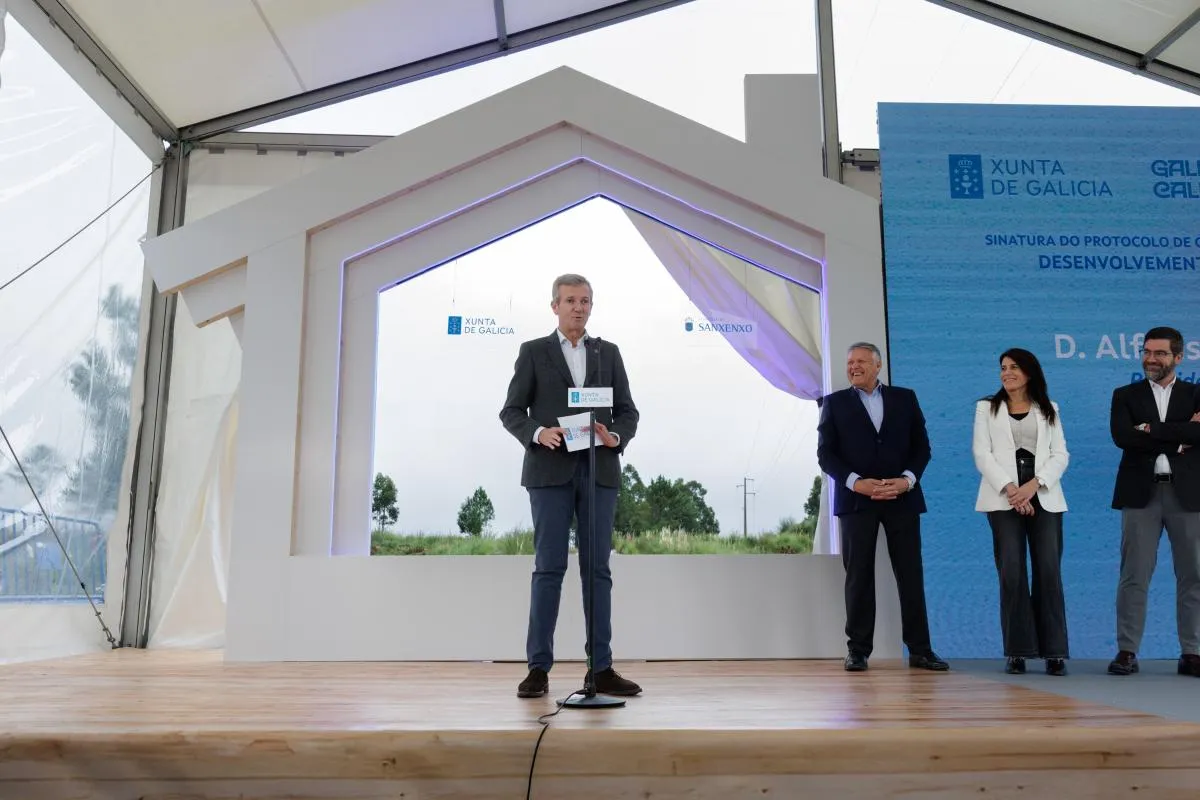
The awards, aimed at recognizing the academic, technical, and professional excellence of graduating students, strengthen the links between the University, the profession, and industry. This year, the accolades were given to two graduates from the PCEO of Biomedical and Mechanical Engineering.
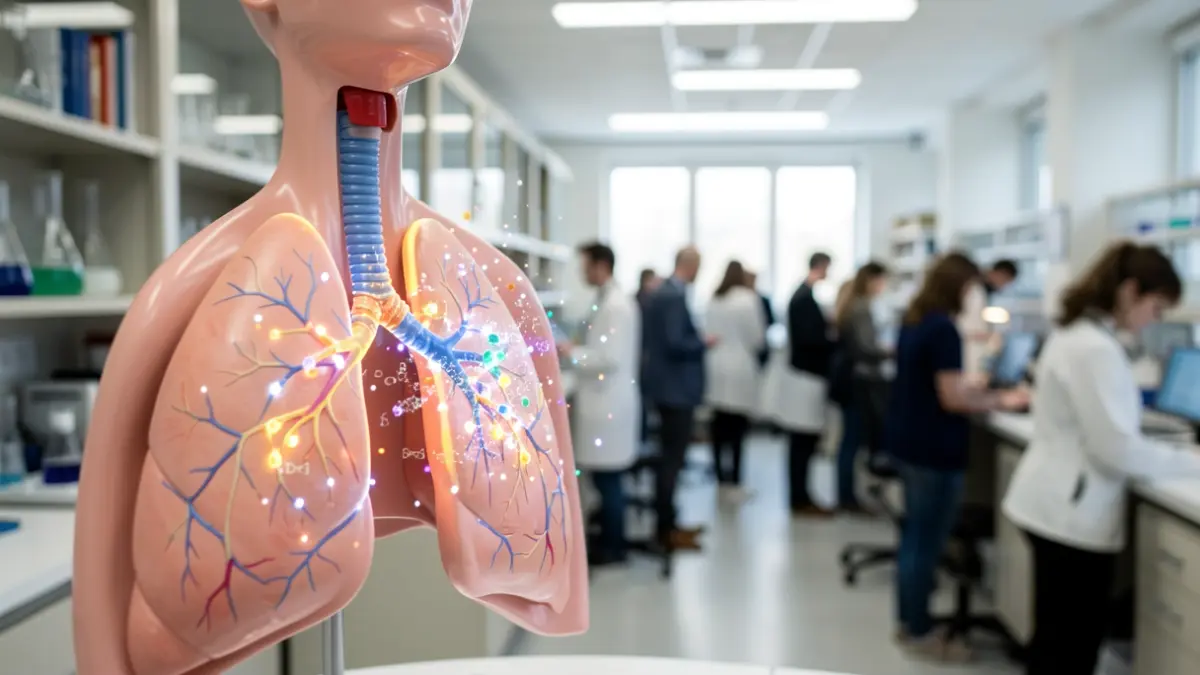
The award in the General category was presented to Joel Cruz Cadaya for his project that used computer simulations to study the travel and deposition of inhaled medication particles within a model of the human respiratory system. The work analyzes how particle size and inhalation flow influence their reach into the deeper parts of the lung.
In the Classic Engineering Projects category, which rewards TFGs from degrees granting access to the regulated profession of technical industrial engineer, the award went to Clara María Domínguez Iglesias. She developed a functional wireless sensor prototype capable of recording body accelerations, turns, and orientation changes, combining electronics, programming, and mechanical design.
“"Two projects that reflect talent and the application of engineering to respond to new challenges."
Both awardees will receive a monetary prize of 600 euros and a certificate of accreditation.