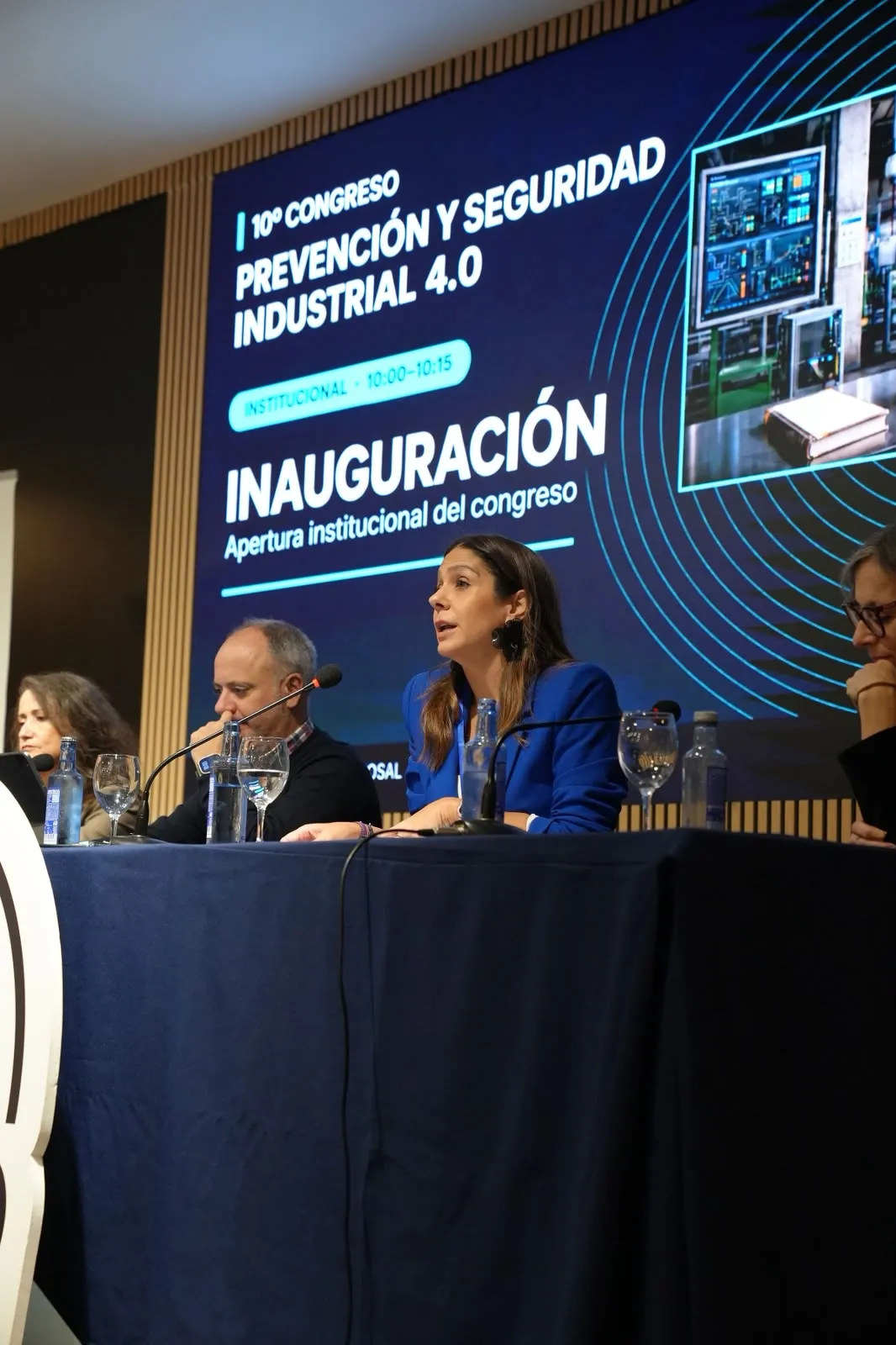
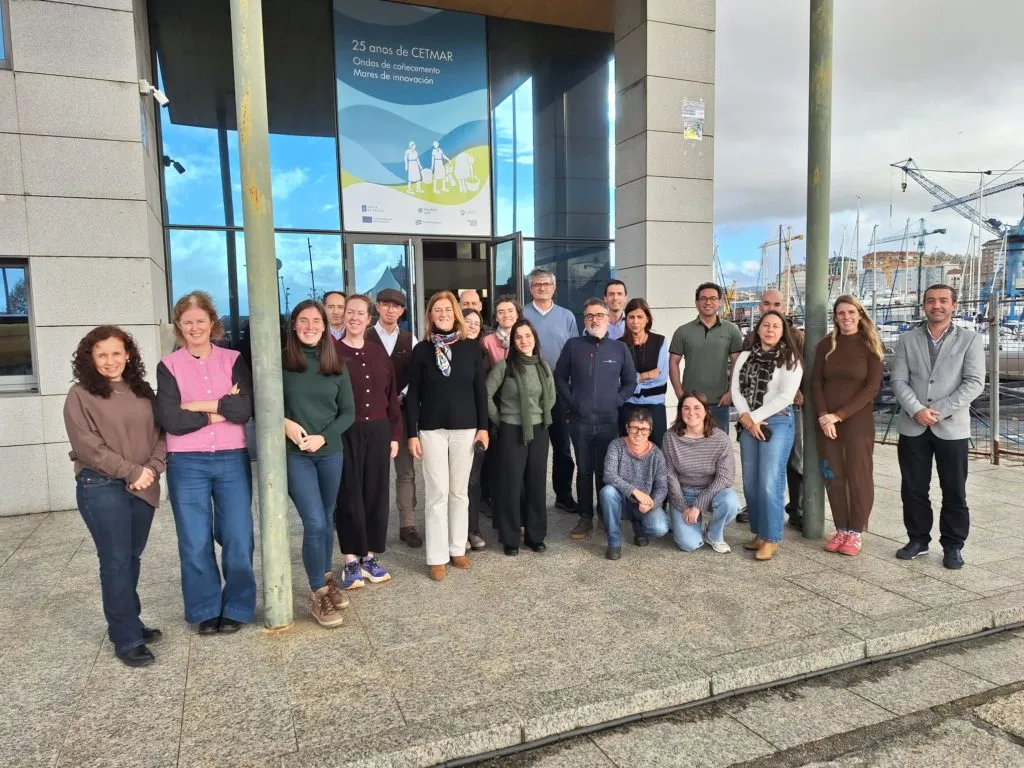
The day, which had both in-person and online attendance, served to report on the solutions developed over three years of work. The opening was led by CETMAR's Managing Director, Rosa Chapela Pérez, who thanked the consortium's work in fighting marine pollution and the public's participation.
The project combined scientific research, technological innovation and collaboration with the fishing and port sectors. Among the Galician entities involved are, in addition to CETMAR, INTECMAR, the University of Santiago and the Vigo Oceanographic Centre of the Spanish Institute of Oceanography. Partners presented guidelines and best practices to improve the management of waste from fishing activities, both fishing gear at the end of their useful life and incidentally caught waste.
Highlighted results include recommendations to facilitate the application of European directives on single-use plastics and the reception of ship waste. Experiences were also promoted to improve the operation of Fishing for Litter programmes and pilot actions for the location and recovery of abandoned, lost or discarded fishing gear, with the collaboration of the Galicia Coastguard Service.
Free LitterAT also advanced in new methodologies to detect and monitor marine litter, using underwater vehicles and low-cost cameras. In the field of microplastics, harmonised sampling and analysis procedures were developed. The project, which ended its operational phase on 31 March 2027, maintained active collaboration with OSPAR working groups and the Marine Strategy Framework Directive.