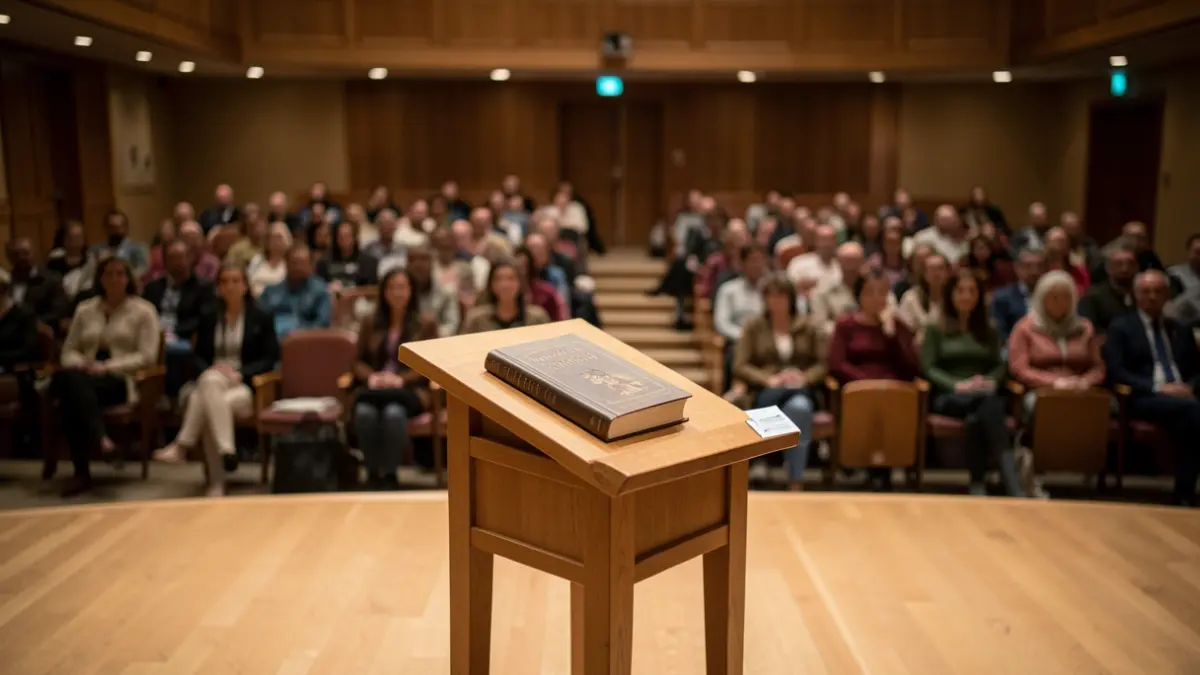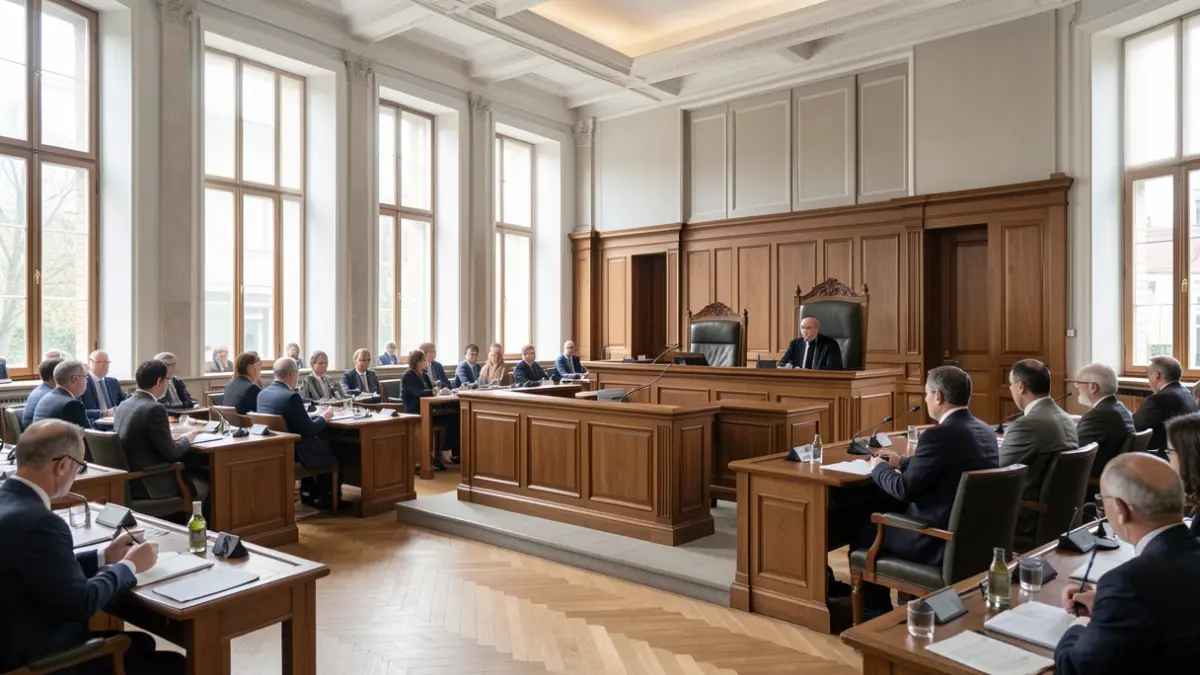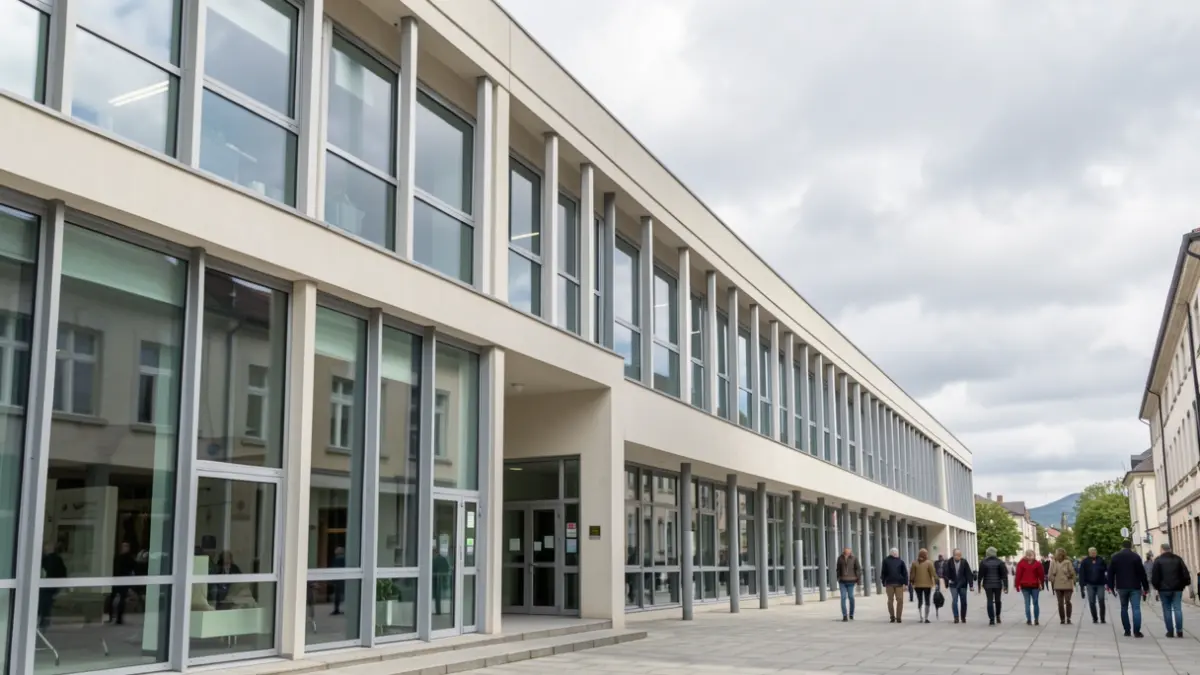
The University of Vigo, through Campus Crea, celebrated its most participated edition of the Crea Research Conference, bringing together 23 doctoral students from various programs. The event, held at the School of Forestry Engineering and the Faculty of Communication, aimed to give visibility to research related to the specialization project's lines, consolidating research processes as "one of the fundamental pillars of Campus Crea", as highlighted by the vice-rector, Marián Fernández.
The conference concluded with the VI Crea Research Awards ceremony, supported by the Provincial Council of Pontevedra. The awards went to Sara Piñeiro, from the Faculty of Fine Arts, for a plastic research project using granite dust, and to Cristina Martínez, from the Faculty of Communication, for a video essay on Luso-Galaic cinema. The event was attended by the vice-rector, the vice-president of the Provincial Council, Rafael Domínguez, the president of the UVigo Social Council, Ernesto Pedrosa, and the director of the Campus Crea area, Alberto Dafonte.
Marián Fernández emphasized the participation of students from various Galician universities and the importance of knowledge transfer as another fundamental pillar of Campus Crea, with the goal of achieving accreditation as a specialization campus by 2028. Ernesto Pedrosa defined the project as "a living space" focused on "creativity and social innovation", while Rafael Domínguez championed Pontevedra as a "city of creativity".
The Crea Awards, aimed at recognizing research, publications, and projects, granted 1500 euros to Sara Piñeiro for her work "Esas estupendas materias duras", which uses granite dust. Cristina Martínez received 750 euros for the video essay "Terra luso-galaica de lendas e maxia", the result of her final degree project supervised by Anna Amorós. Martínez's project also received the award for best TFG at the FlixOlé-URJC Awards for Spanish Cinema Research.
Additionally, the award for best poster went to Jimena Arenas, from the Faculty of Fine Arts, for "El jardín después del jardín", a line of work on "post-nature" and sculptural practice. The conference, according to the director of Campus Crea, Alberto Dafonte, offered an initial opportunity for students to present their lines of work and results.
The presentations covered topics such as the uses of ICT in teacher training, the transformation of a university wood collection into a living lab, artificial intelligence in advertising, physical literacy, tattooing as a code of identity, the integration of scientific-technical devices in artistic processes, and the use of deepfakes in political communication. The program also included lectures by Nuria Castiñeira and Luis Velasco, director of the International Multidisciplinary Journal Crea, and an intervention by Sergio Rodríguez.