The initiative allows students from the Pontevedra campus to put into practice and improve their training by experiencing the creation process of an audiovisual fiction in a real-world setting. The web series is being produced within the framework of the Celanova, plató de ficción workshop, part of the Curso de Medio Audiovisuais de Celanova organized by the Fundación Carlos Casares and the Facultade de Comunicación, with support from the Universidade de Vigo, the Deputación de Ourense, and Agadic.
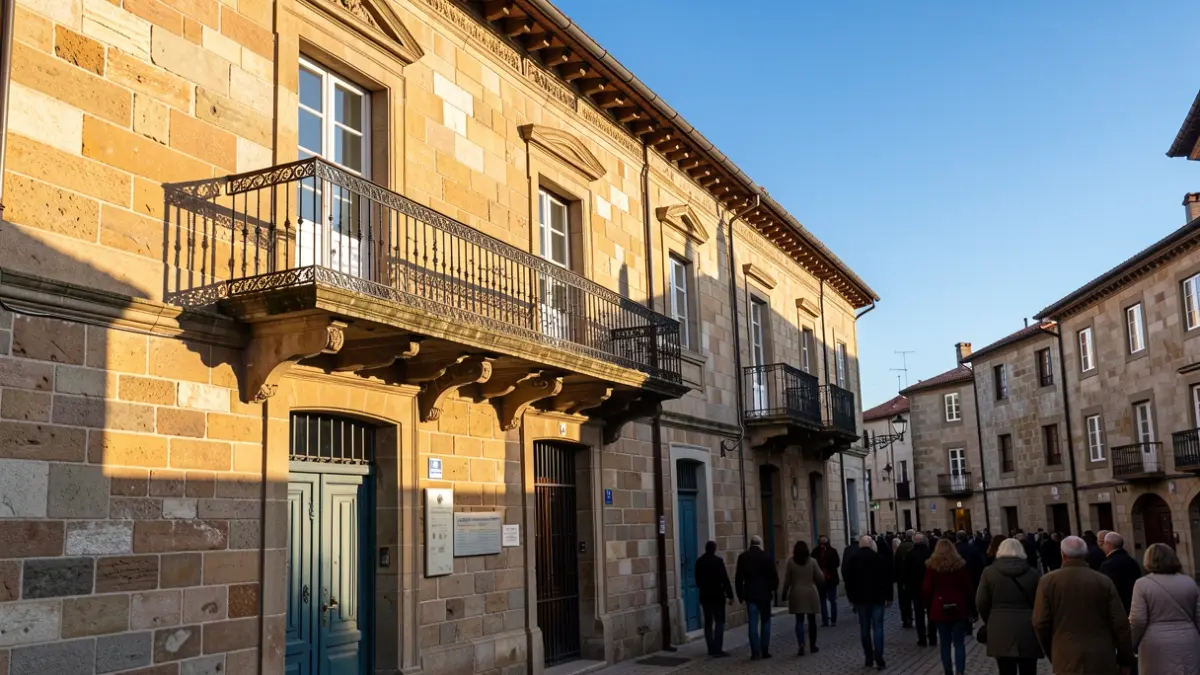
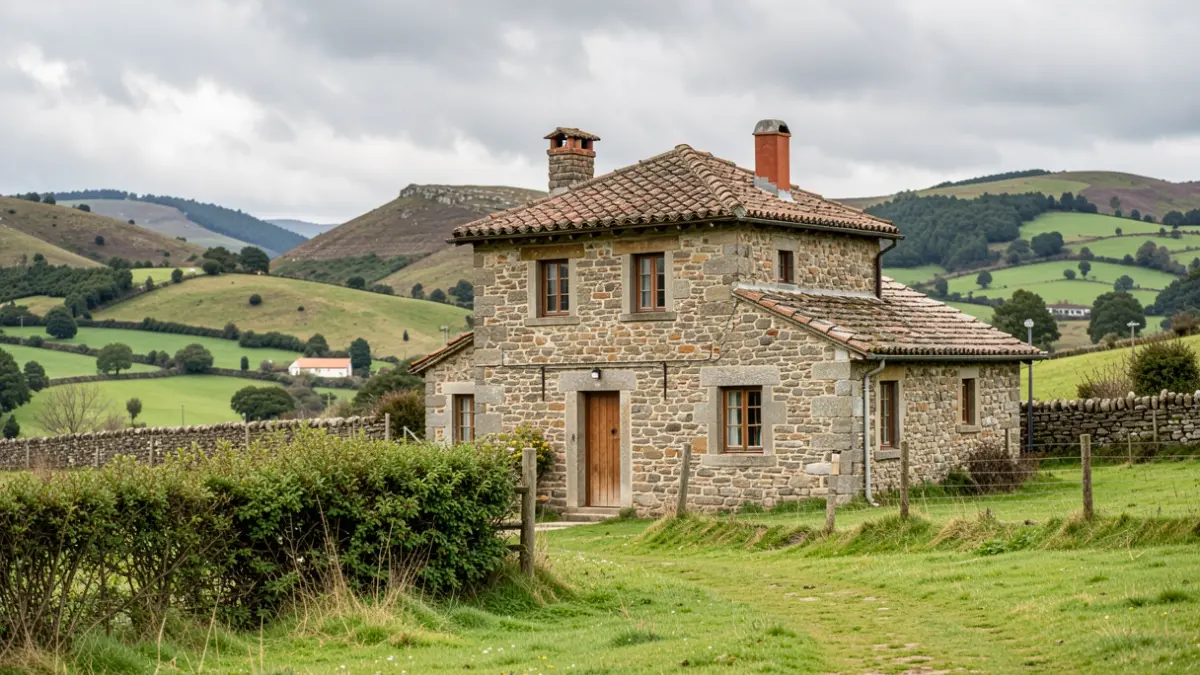
Following the pre-production phase, which included working on different script versions and scouting for locations and actresses, the students are now undertaking the filming. The shoot is taking place in Entrimo from October 23rd to 27th and involves 17 students from the final and penultimate years of the Audiovisual Communication degree. The actresses participating are Mayka Braña, Beatriz Barcia, Ariadna Santana, Lydia Prada, Helena Jes, and Sandra Folgar. The chosen setting is the "casa do médico" (doctor's house) in Entrimo, an Indian-style house.
Regarding the web series' theme, the students explain that "rather than literally adapting La casa de Bernarda Alba, our intention is to dialogue with it and show that a work written almost a century ago can still speak to us about ourselves". The story focuses on how "four sisters confined under Bernarda's control confront desire, jealousy, and a forbidden love that threatens to shatter the family" and how "beneath the apparent tranquility of the house, secrets, rivalries, and forbidden desires begin to emerge". The proposal's tone "approaches black comedy, but the underlying conflict remains intact".
The UVigo team notes that Federico García Lorca's work serves as a basis because "many of the conflicts he exposes are still present today", such as "female repression, family conflicts, the weight of male power, or the struggle between what we want and what is expected of us". The web series also aims to be a tribute to the writer on the 90th anniversary of his assassination.
The students' main objective is "to use this opportunity to gain practical experience and face the various needs and difficulties involved in bringing an audiovisual piece to completion". They aim to "complete the project from start to finish and achieve a polished, coherent work with its own identity", while also "learning from the process, improving our teamwork skills, and acquiring tools and experience".
Paulino Pérez, a professor at UVigo and director of the Cemac workshop, emphasizes that the experience "is very positive as it closely resembles a real shoot: working with a fixed budget, departmental development, and, importantly, cohabitation and teamwork. It's a fantastic opportunity for our students to put into practice all the knowledge learned in their degree".