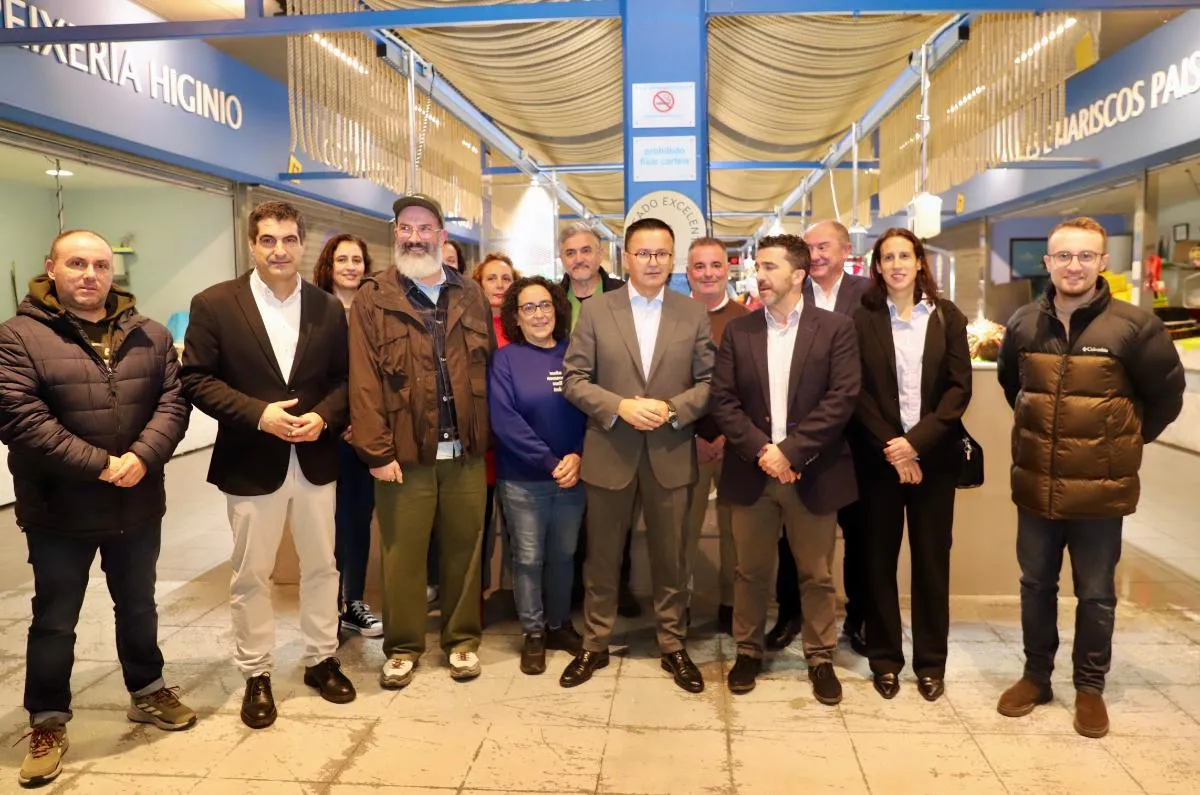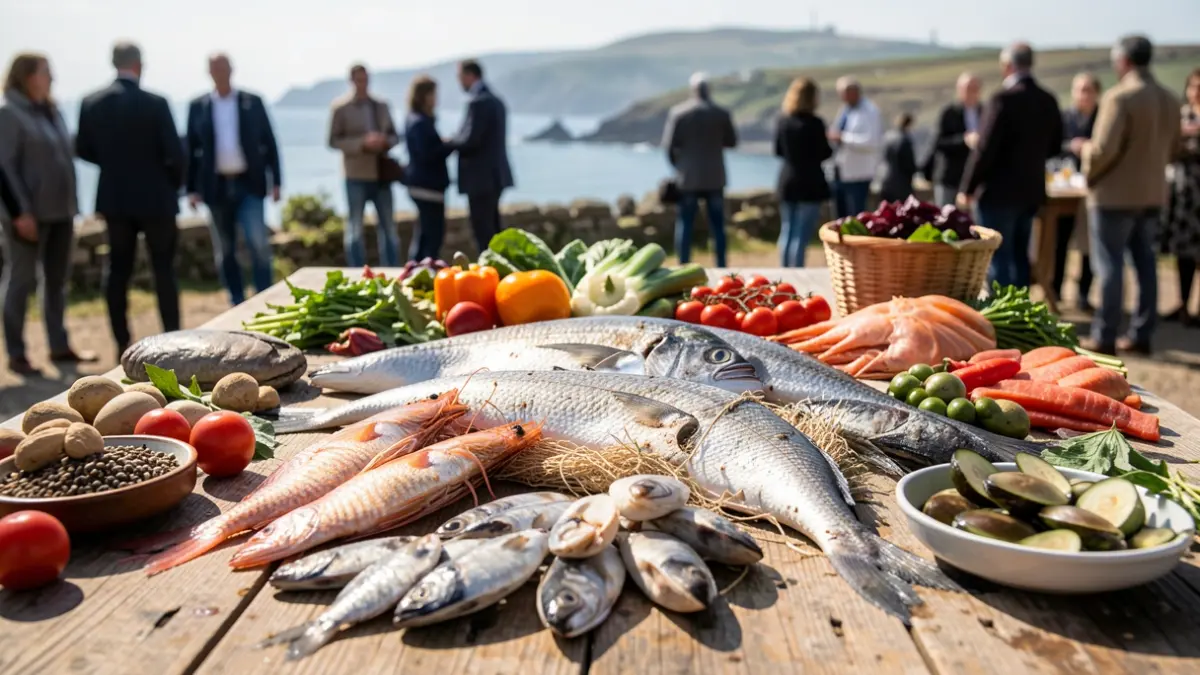
The Pesca Saúde project, which seeks to reverse the decline in fresh fish consumption in favor of ultra-processed foods, presented its results in Santiago de Compostela. This initiative, uniting the fishing sector, health professionals, and gastronomy, advocates for regular seafood consumption as a public health strategy, supported by scientific evidence for its cardiovascular, cerebral, bone, muscular, immune, and metabolic benefits.
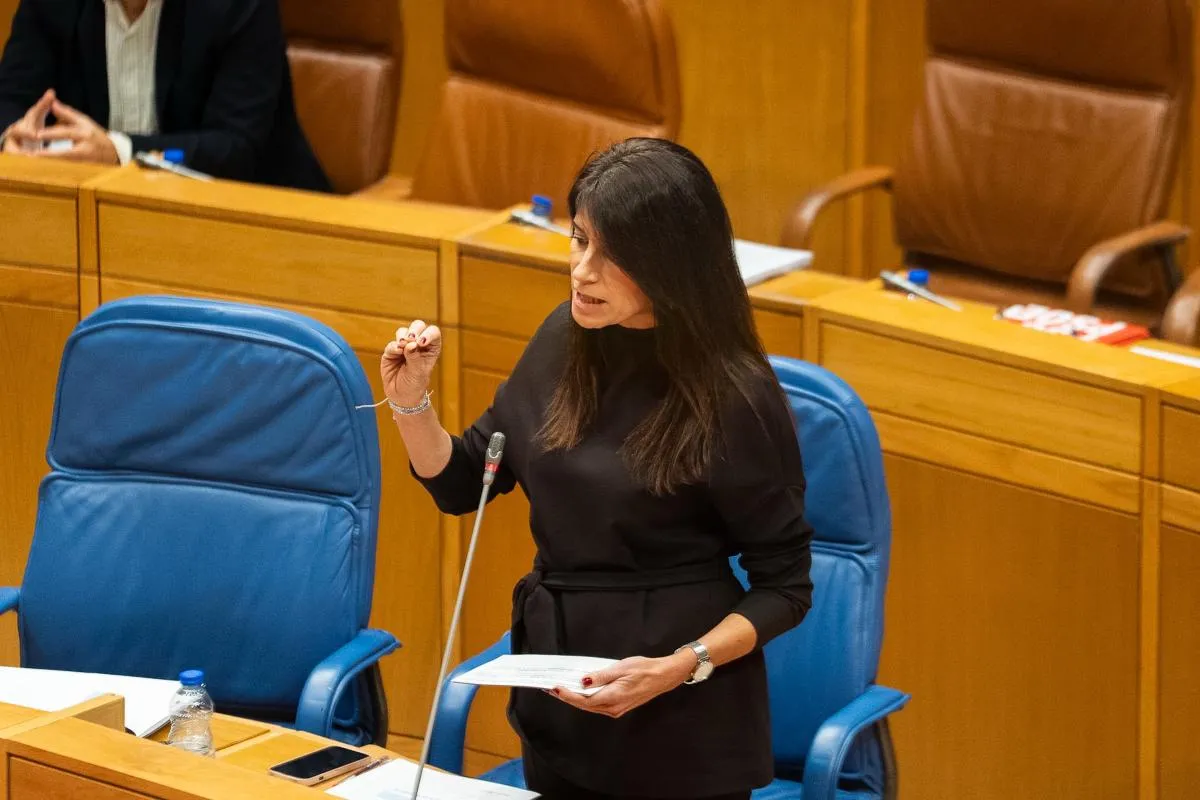
The Conselleira do Mar (Minister of the Sea), Marta Villaverde Acuña, highlighted the increase in fish and seafood consumption as a strategic challenge and noted that projects like Pesca Saúde serve as amplifiers for Galician society. She called for efforts to reverse the downward trend, although Galicia's consumption is still 5 kg above the national average.
Mariano Lago Louro, president of GALP Costa Sostible, emphasized the work of the GALPs in valuing fishery products, highlighting the dual benefit of projects for people's health and the economic sustainability of their territories. Manuela Oviedo Hermida, project coordinator, pointed out its innovative nature, bringing GALP activities to audiences such as athletes and health centers. Throughout 2026, activities included outreach in health centers, technical workshops, live cooking demonstrations in markets, raffles, and practical cooking courses, with over 2000 participants along the Galician coast.
Carolina Muñoz Ibáñez, from the Dirección Xeral de Saúde Pública (Directorate General of Public Health), reviewed other public administration initiatives to promote healthy lifestyles and balanced diets, stressing the importance of networking and integrating health into all public policies.
The transversal project Pesca Saúde mobilized over 200 entities and featured a debate panel with stakeholders from the scientific, fishing, and restaurant sectors.
“"According to the latest studies from the most prestigious scientific authorities, the high selenium content in most species we consume (including swordfish or bonito) neutralizes the potential harmful effects of mercury. In this regard, she pointed out the importance of abandoning the practice of limiting it in the diets of pregnant women, as reducing their consumption can be more detrimental to embryonic development."
Cardiologist Guillermo Aldama López opened the presentations by debunking myths about mercury in fish, noting that selenium neutralizes it and limiting intake during pregnancy can be harmful. He highlighted the benefits of omega-3s for nearly all aspects of health.
Manuel Suárez Blanco, manager of the Asociación de Armadores de Cerco de Galicia (ACERGA), encouraged moving past the misconception of high fish costs, explaining that choosing local and seasonal products from the Lonxa de Sada (Sada Fish Market) allows for quality at an affordable price.
Lolo Mosteiro, chef at the restaurant A Artesa da Moza Crecha in Betanzos, encouraged incorporating fishery products into daily cooking, emphasizing the usefulness of Batchcooking workshops.
Laura Regueiro, from Arela Saúde S. Coop. Galega, presented the "Nutritional Properties Guide" and the "Pesca Saúde Recipe Book," available at pescasaude.gal, which demonstrate that incorporating fishery products is healthy, easy, and flavorful.
Pesca Saúde is funded by the European Maritime, Fisheries and Aquaculture Fund (FEMPA) through the Consellería do Mar (Ministry of the Sea), with the participation of seven GALPs and the collaboration of the Consellería de Sanidade (Ministry of Health).