Human progress is traditionally measured by economic wealth, health, and education. Now, the UNDP seeks to broaden this view with the NRI, which will recognize the importance of relationships between societies and the rest of life on Earth. The scientific basis for this index was presented in an article in the journal Nature in June 2025, led by Professor Erle Ellis of the University of Maryland.
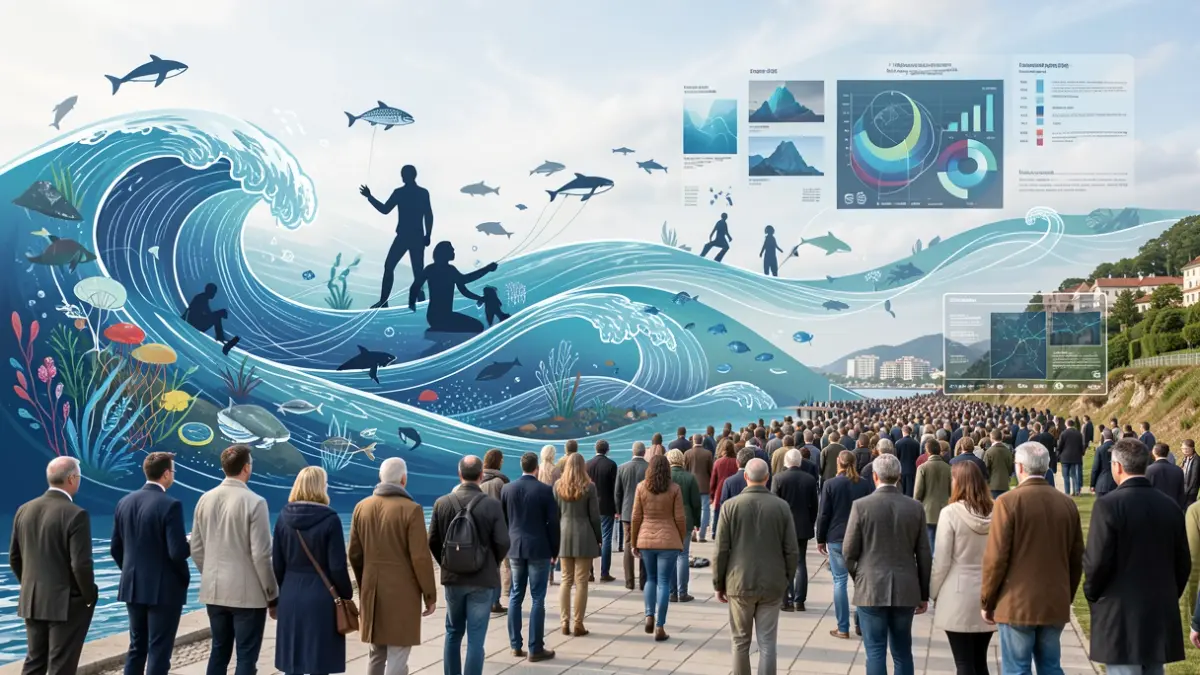
The relationship with the sea goes beyond food and employment. It includes the identity of coastal communities, their knowledge, and ways of life. The NRI aims to assess not only the benefits or harms to nature but also how relationships are built that favor both human well-being and ecosystem conservation. "The Nature Relationship Index represents an opportunity to move towards a more comprehensive vision of human development," states Villasante.
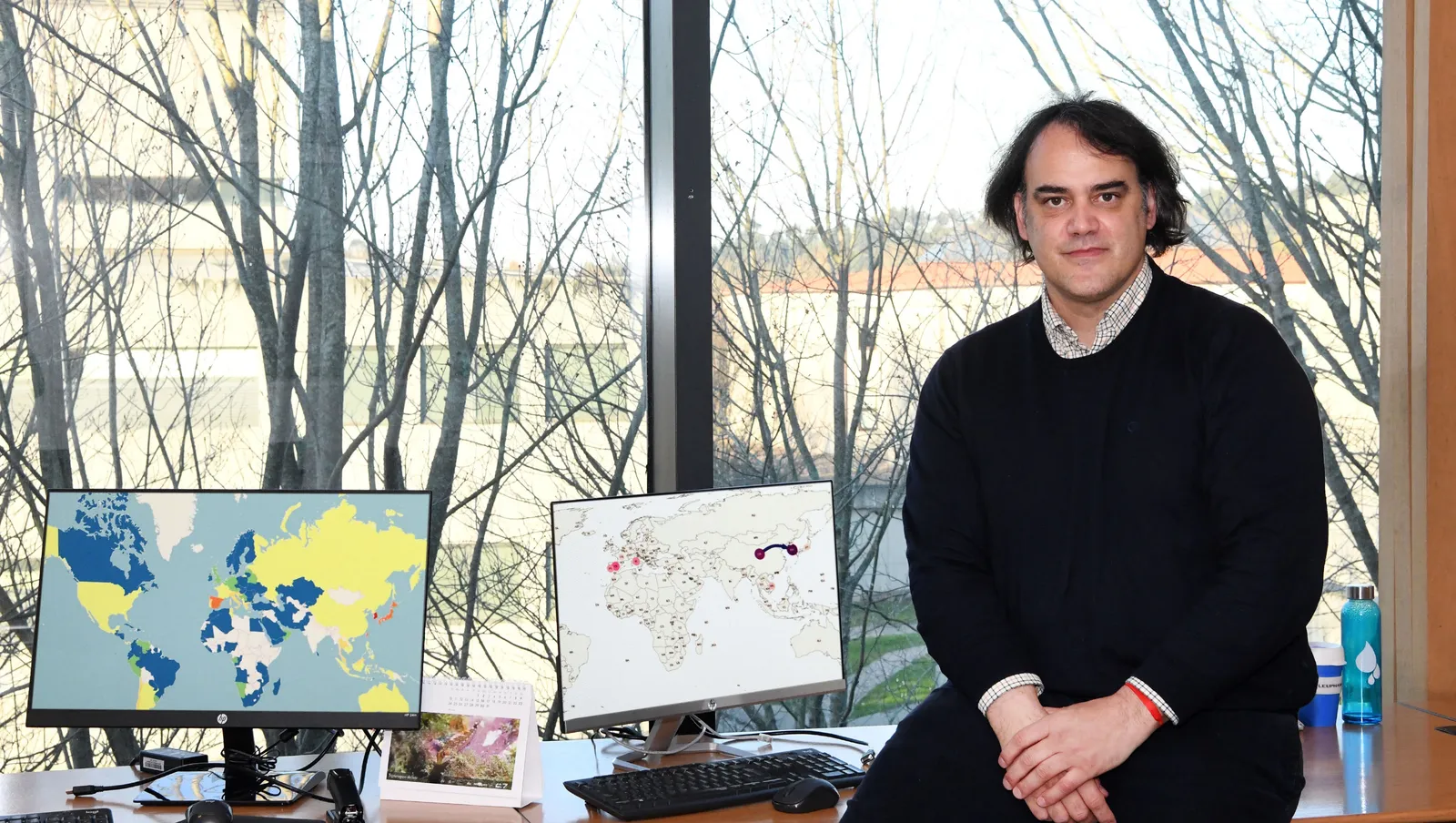
Sebastián Villasante, a distinguished researcher with Oportunius and affiliated with the Interdisciplinary Research Center on Environmental Technologies (CRETUS) at USC and the Faculty of Business Administration and Management on the Lugo Campus, will focus on the marine and coastal dimension of the index. His work, planned for 2027, will aim to reflect the sea's contributions to people and sustainable practices, including livelihoods, traditional knowledge, and participation in decisions about marine resources.
The UNDP plans to include the NRI in its 2026 Human Development Report. USC's marine contribution will be developed later. This initiative seeks to improve human well-being while caring for the nature on which we depend.