
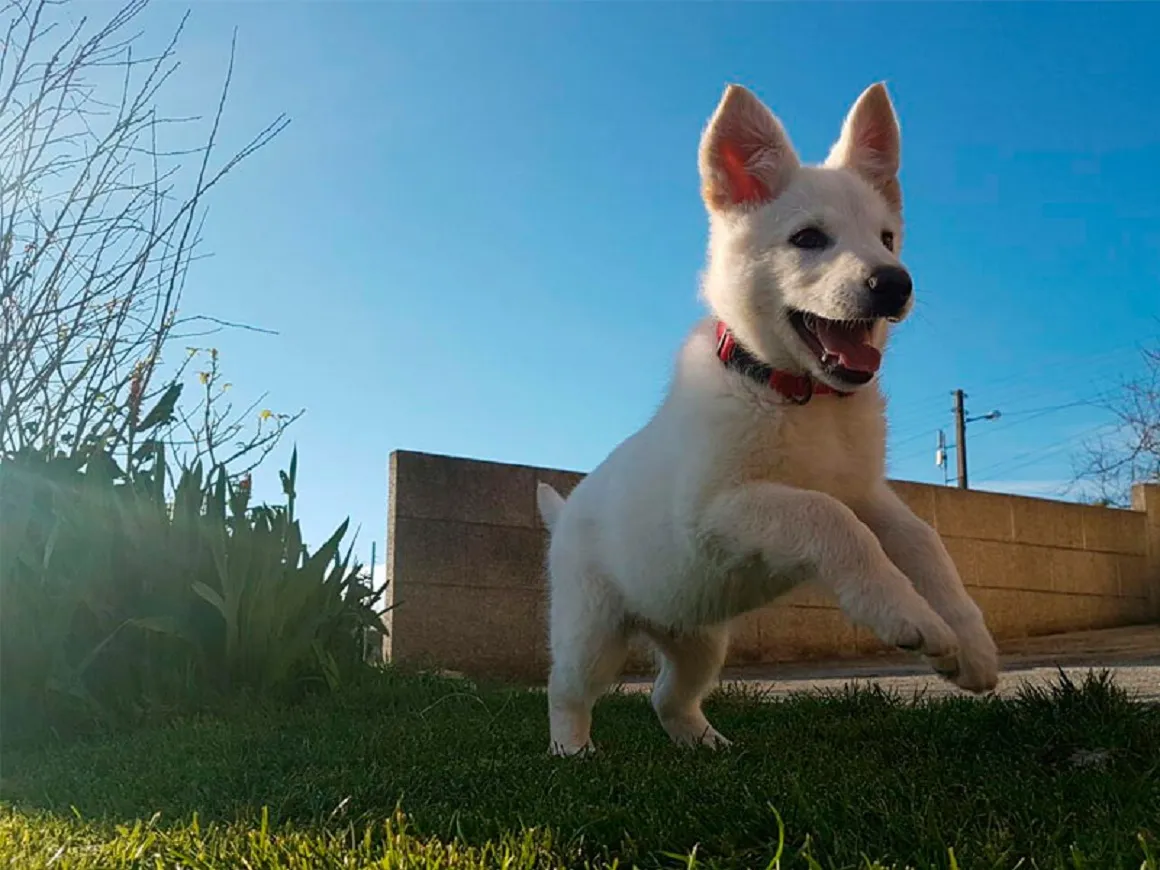
The research, led by USC professor Paulino Martínez, presented its findings this Tuesday at the Faculty of Veterinary Medicine on the Lugo Campus. The study for the characterization and recovery of this native Galician breed showed that its genetic diversity ranks among the highest of the studied breeds.
Domestic dogs exhibit vast diversity in physical traits, behavior, and functions, stemming from their domestication from wolves and the formation of modern breeds primarily over the last 200 years. Artificial selection and reproductive isolation have created genetic differences but also reduced genetic diversity within many breeds, increasing relatedness and inbreeding. This is particularly important for local breeds that are few in number or undergoing recovery programs, as a limited number of founders can lead to loss of genetic variability and increased inbreeding.
Genetic marker analysis allows for the study of these aspects, complementing pedigree information. It can assess genetic diversity, inbreeding, and historical changes in effective population size, which is crucial for designing conservation and genetic management strategies.
The Can de Palleiro, also known as the Galician Shepherd, is an indigenous breed from Galicia traditionally used for herding and protecting livestock. It experienced a significant population decline in the 20th century due to changes in rural environments and the introduction of foreign breeds. Following a recovery program initiated in the late nineties and the official establishment of the breed standard and genealogical book in 2001, a better understanding of its genetic status is still needed.
The study's objective was to genetically characterize the Can de Palleiro using genomic information, evaluating its genetic diversity, population structure, inbreeding, and effective population size. It was also compared with the German Shepherd, identified as a reference breed due to its genetic proximity, to select a reduced set of genetic markers capable of differentiating both breeds.
The study found that the absence of significant deviations in genetic equilibrium and moderate inbreeding guarantee the breed's future, provided adequate genetic management is implemented. Furthermore, all analyses indicate the genetic differentiation of the Can de Palleiro from the German Shepherd and a mixed group of breeds, allowing for the identification of highly informative markers to develop a reliable molecular tool for assigning new specimens to the breed's genealogical book.
The combination of numerous small variations in DNA with detailed information on animals' physical and behavioral characteristics allows for the identification of genetic factors associated with specific traits, such as coat color, and their application in breeding programs. The results will contribute to improving knowledge of the Can de Palleiro's genetic status and developing useful tools for its long-term identification and conservation.
Also participating in the event were Daniel Conde, president of the Can de Palleiro association, and Alfonso Villares Bermúdez, territorial delegate of the Xunta de Galicia in Lugo.