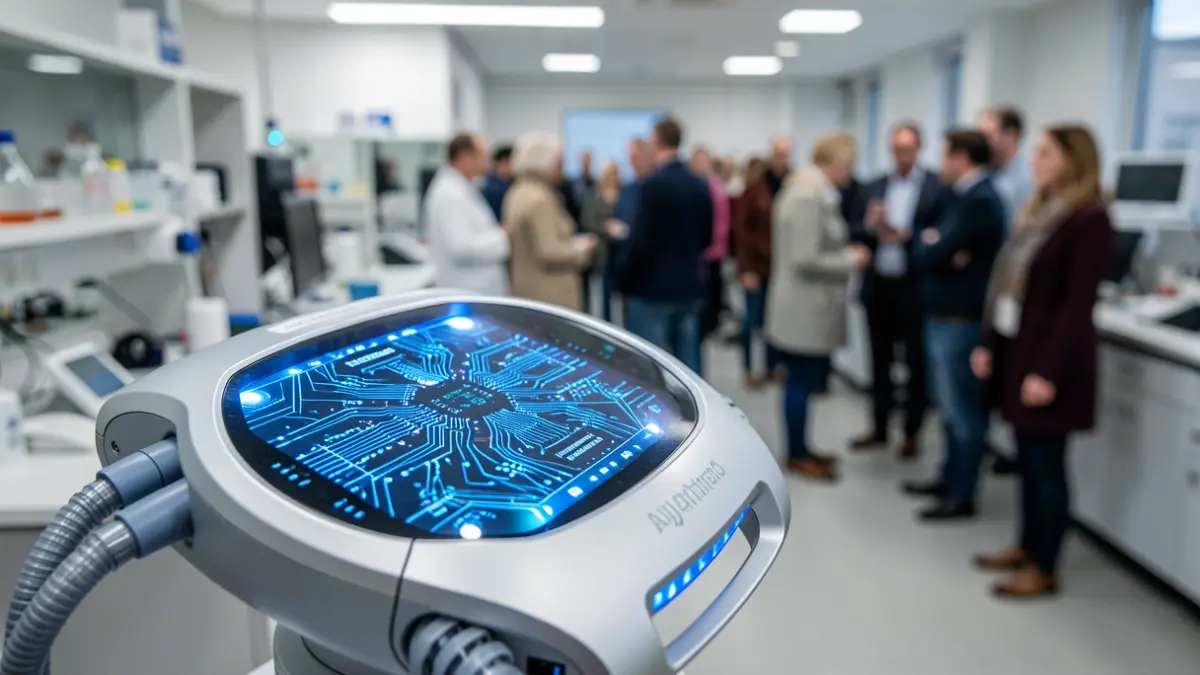
The FLASH-CARE consortium, led by the USC, is among the 80 projects selected by the 'la Caixa' Foundation to receive funding for their capacity to generate a positive impact on health. This project aims to improve verification and quality control in FLASH radiotherapy, a new cancer treatment modality that delivers higher radiation doses to reduce treatment time and side effects.
The objective of FLASH-CARE is to develop a comprehensive quality assurance system to support the safe and effective implementation of FLASH radiotherapy in clinical settings. "Reliable monitoring is essential to identify errors, support clinical confidence, and contribute to patient safety," the consortium states. The project, which also involves the National Center for Microelectronics (CNM-CSIC) in Barcelona and the Curie Institute in Paris, receives €149,967 through the CaixaImpulse Health Innovation 2026 call.
Additionally, USC professor and CiMUS researcher María José Alonso is part of another project funded by the 'la Caixa' Foundation, focused on developing new drug delivery systems capable of crossing the brain's protective barriers. This project, which will initially focus on Lafora disease, aims to design tiny transport vehicles to deliver therapeutic payloads safely and efficiently.
Led by Cristina Fornaguera from the Universitat Ramon Llull, the project includes participation from Jordi Duran of the Fundació Institut de Bioenginyeria de Catalunya and Katherine Donohue from the Chelsea’s Hope Lafora Children Research Fund. It will receive €998,898.20 and could contribute to the development of a treatment for Lafora disease and other neurological conditions.