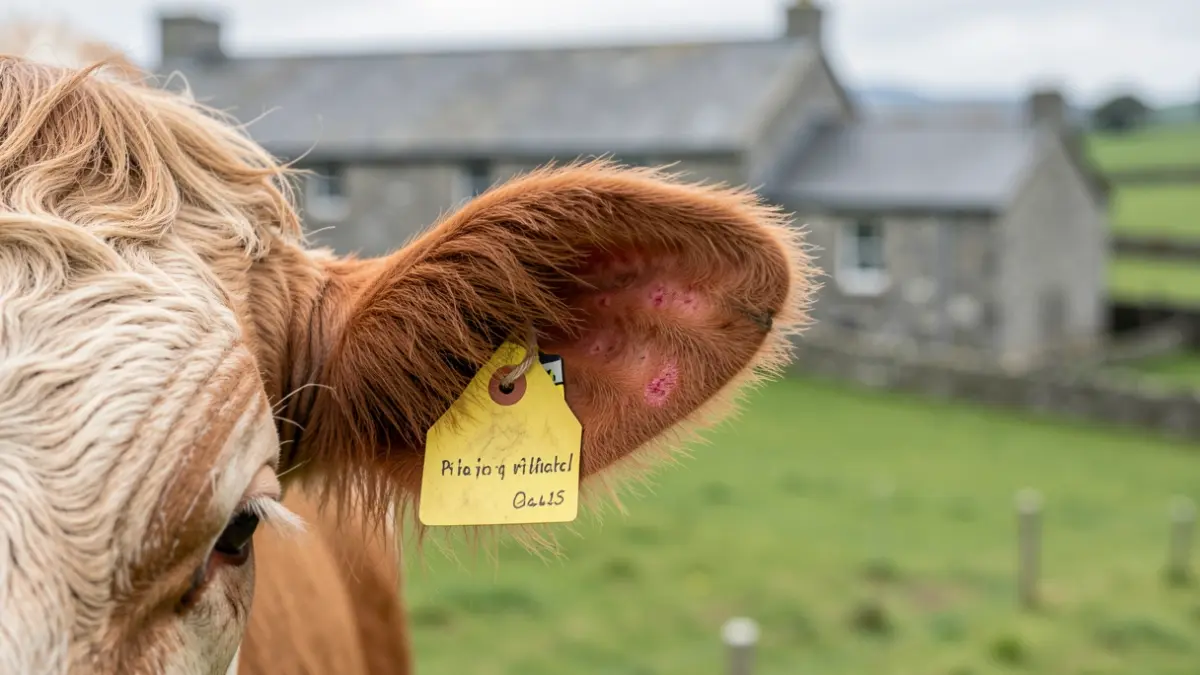
This is the first outbreak of serotype 8 detected in the province during this viral circulation season, necessitating official notification to the Ministry of Agriculture, Fisheries and Food (MAPA). This marks the sixth outbreak recorded in Galicia in 2026 since the winter period of reduced vector circulation ended in April. The vector is insects of the genus Culicoides.
The detection was made through passive surveillance by farm personnel, who reported the suspicion. Serotypes 3 and 8 had already affected all four Galician provinces in 2025, while serotype 4, for which mandatory vaccination campaigns were carried out, was not detected in Galicia last year.
The Xunta de Galicia recommends voluntary vaccination for cattle and sheep as a protective measure, even though mandatory vaccination no longer exists in Spain since 2025. Vaccines can be purchased through usual commercial channels with the corresponding veterinary prescription.
Furthermore, the Ministry of Rural Affairs continues the free distribution of vaccine doses against serotype 4 for cattle and sheep, and against serotypes 3 and 8 for sheep, which tend to show more severe symptoms.
It is also recommended to avoid breeding areas for vector insects in livestock facilities, such as damp areas with organic matter, and periodic disinfection of animals, facilities, and transport vehicles is advised. Farmers are reminded of their obligation to report any suspected cases to the Official Veterinary Services.
Bluetongue only affects ruminant animals and is not transmitted between them, but rather through the bite of the vector insect. There is also no risk to humans from consuming meat or milk from affected animals.