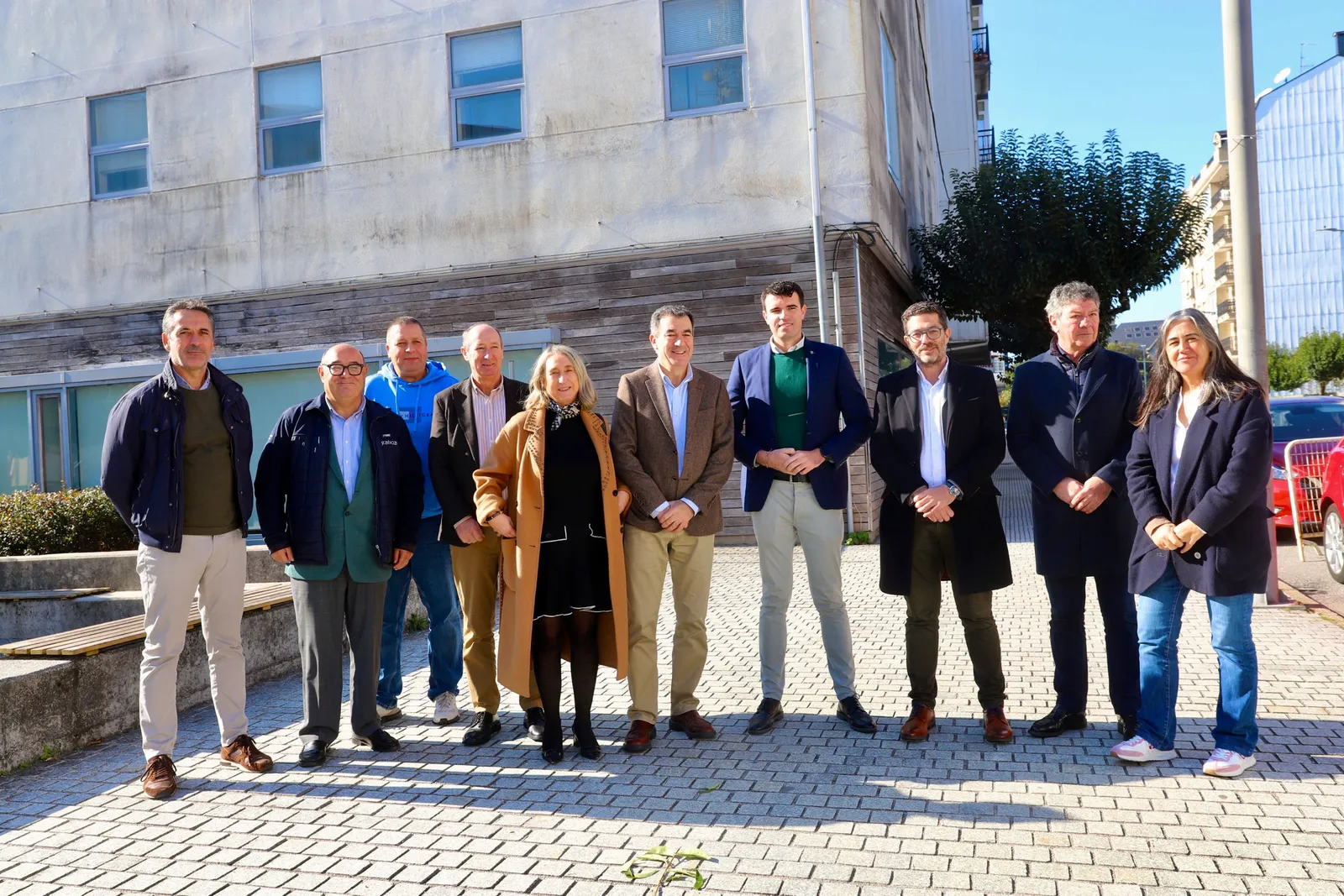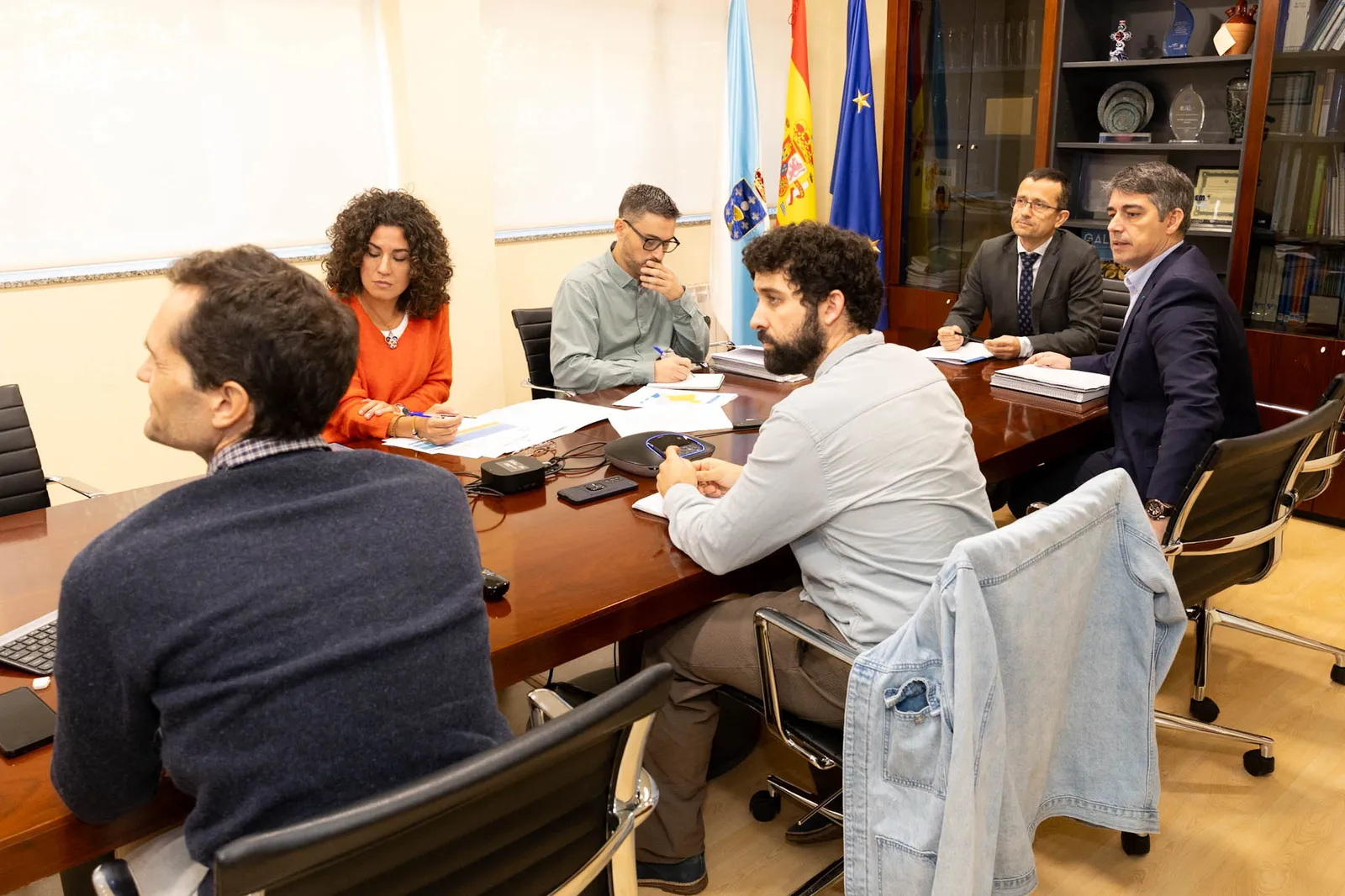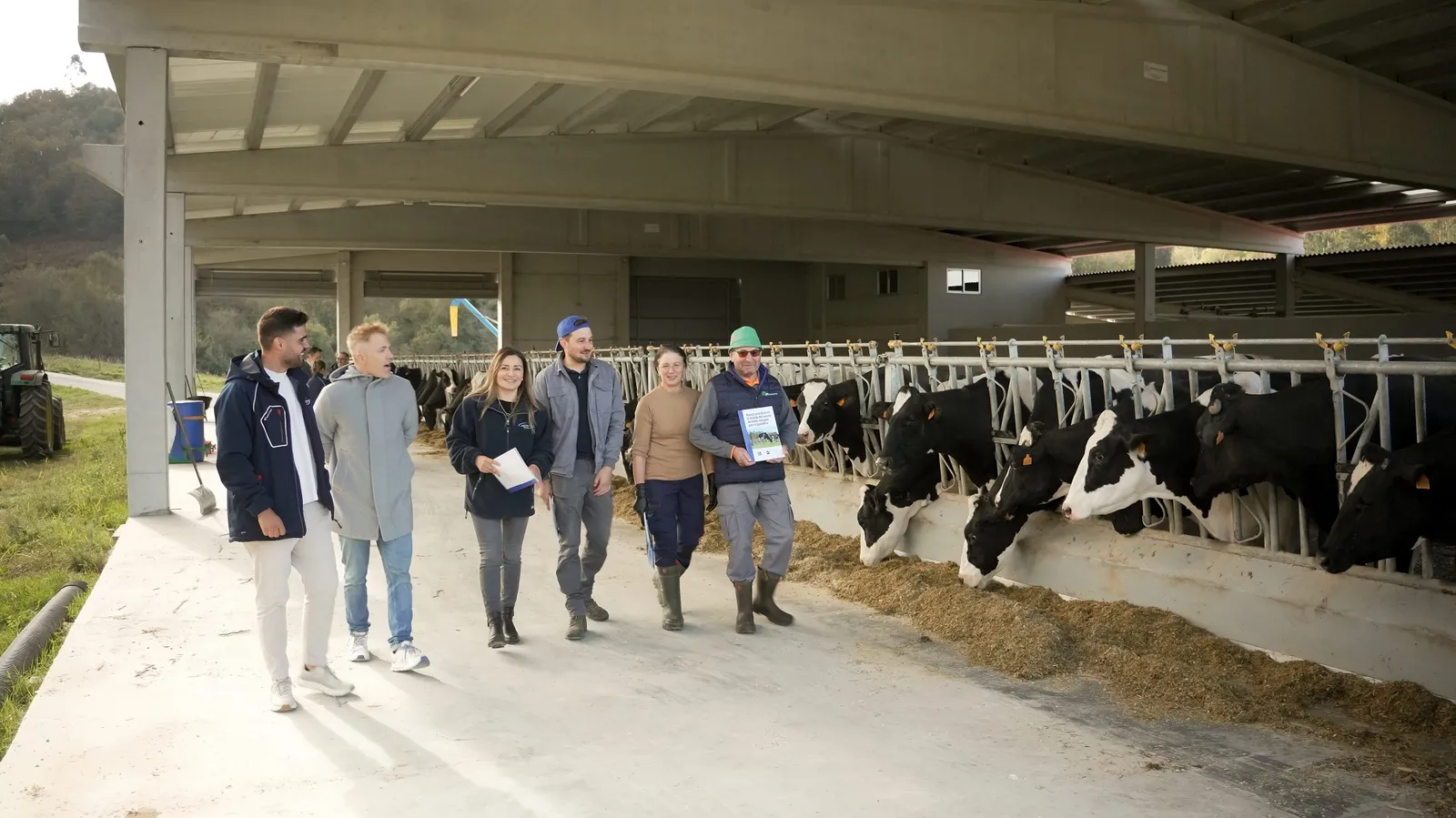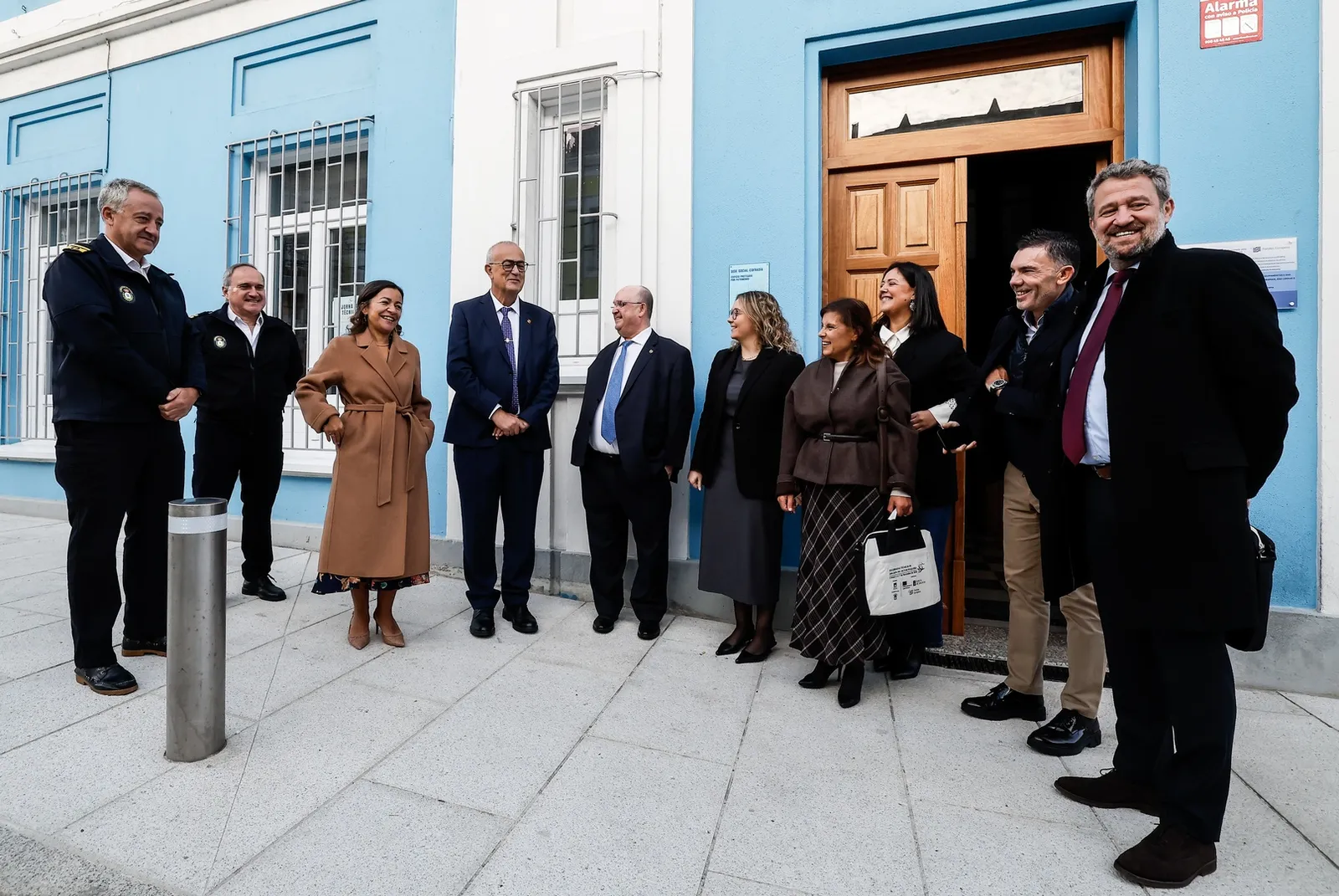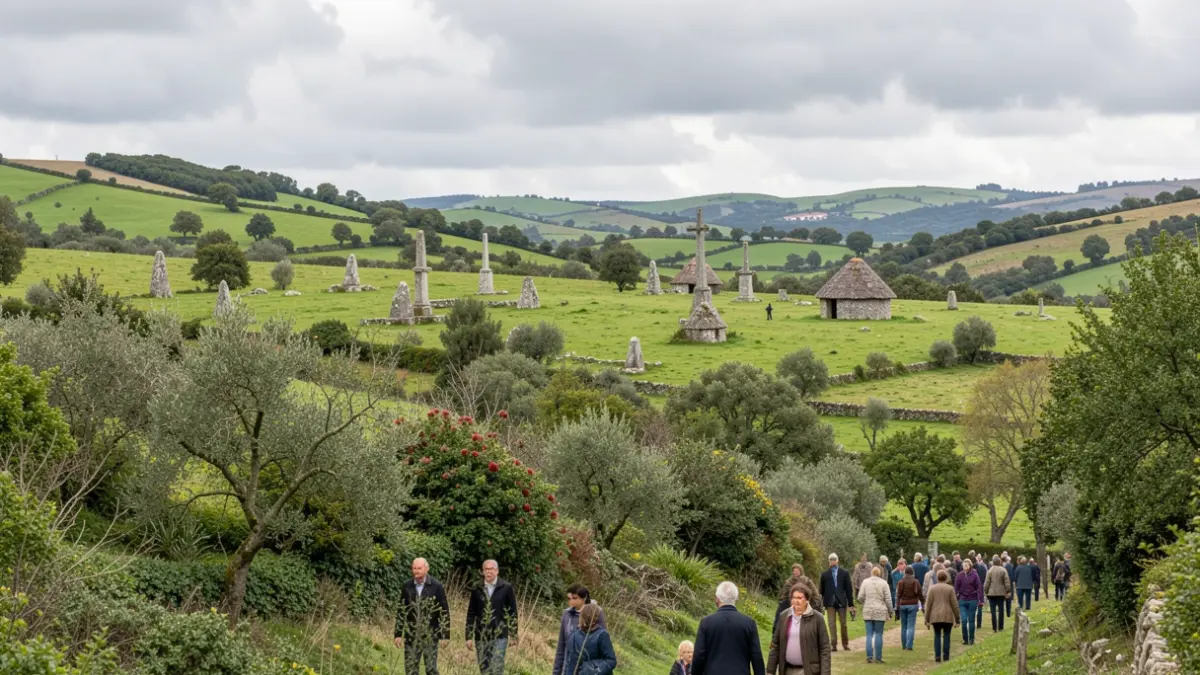
The GDR Pontevedra Morrazo organized the «Paisaxes resilientes: do diagnóstico á acción» (Resilient Landscapes: From Diagnosis to Action) conferences on November 2nd and 3rd at the Pazo da Cultura in Pontevedra. The event allowed scientific and technical specialists, along with land managers, to analyze the factors influencing landscape vulnerability to forest fires and debate more active, diverse, and sustainable management models.
These conferences continue the GDR's awareness-raising work and the 2025 campaign «Paisaxes resilientes contra o lume. O momento é agora!» (Resilient Landscapes Against Fire. The Moment is Now!). The main objective was to move from social awareness to analyzing alternatives and the necessary conditions for building more resilient landscapes.
The first day focused on landscape evolution and its vulnerability, with presentations by Juan Picos Martín and Adrián Regos Sanz on the transformation of land uses, abandonment, and new fire scenarios. The debate panel, moderated by Elvira Santiago Gómez, included participants Xavier Simón Fernández, Quico Ónega López, and Joám Evans Pim, addressing ecological, economic, social, and community perspectives.
The second day focused on the tools needed to put proposals into practice. Inés Santé Riveira discussed land planning and mobilization, while María Rosa Mosquera-Losada addressed agroforestry systems and productive diversification. The panel, moderated by Emilio Díaz Varela, also featured experiences from Ovidio Queiruga, Sergio Chapela, Francisco Pedras Saavedra, and Lito Prado on community forest management, silvopasture, and forest innovation.
A key idea was the need to address forest fire prevention from a territorial perspective, going beyond immediate response to fires. Landscape vulnerability results from the interaction of multiple factors, such as changes in land use, abandonment, vegetation structure, and climatic conditions, meaning there are no single causes or isolated solutions.
The discussions pointed to the importance of moving towards more diverse and functionally managed landscapes, promoting the recovery of uses, agroforestry mosaics, land mobilization, and community involvement. These actions require adaptation to local characteristics and planning.
Another central theme was the viability of landscape transformation proposals. Planning must be accompanied by land mobilization instruments, agreements among stakeholders, technical capacity, and economically viable productive models. The shared experiences demonstrated the diversity of initiatives and the importance of considering costs and requirements.
The conferences highlighted the importance of connecting scientific knowledge, planning, and practical experience, incorporating participation and economic viability. The GDR Pontevedra Morrazo values these meeting spaces for identifying opportunities and strengthening collective capacity for territorial management.