The specialized smoking cessation clinic at the Pneumology Service of the University Hospital Complex of Ferrol (CHUF) serves around 400 individuals who wish to quit smoking and have not succeeded after multiple attempts. The clinic sees an average of 18 patients daily, Monday to Friday, across all age groups. This service has introduced a new pathway to identify smokers during hospital admission and help them quit, having enrolled over 153 patients since its activation nearly a year ago.
The Ferrol Health Area joined the Galician No Tobacco Day, celebrated today, with various information booths and activities throughout the week at health centers and the CHUF. As explained by Ana Belén Sierra, the nurse coordinating the smoking cessation clinic, “tobacco damages practically all organs of the body; it is the leading cause of preventable illness, disability, and premature death worldwide.” Tobacco consumption affects multiple organs, including the brain (stroke, cognitive decline), heart (coronary diseases, heart failure), bladder, kidneys, lungs (COPD, cancer), larynx, pharynx, eyes, and skin.
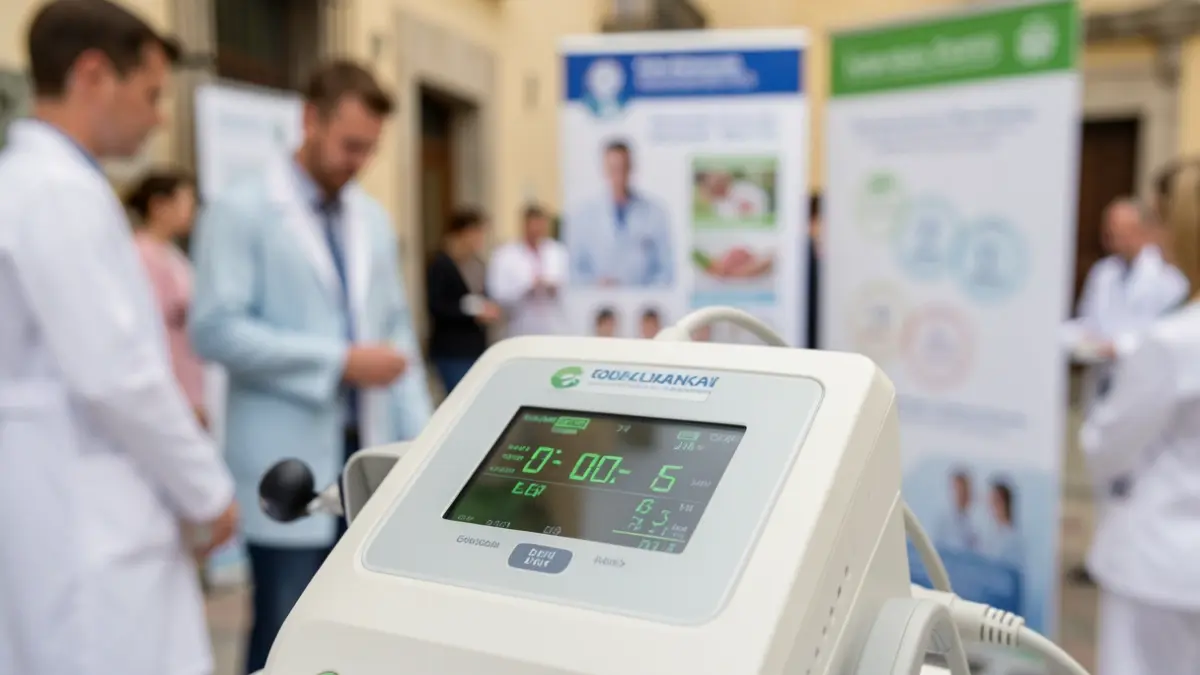
At the hospital's information booth, healthcare professionals measured CO levels in the breath of participating smokers. They also warned about new smoking methods like vaping and e-cigarettes, which contain unknown and dangerous components such as nicotine, and are becoming popular among younger people, causing EVALI (lung injury associated with their use).
Ana Belén Sierra emphasizes that “quitting smoking is possible, and millions of people succeed each year thanks to healthcare support. Consulting a trained healthcare professional significantly increases the chances of successfully quitting compared to trying alone or with unproven techniques.” The clinic receives referrals from primary care centers, other hospital specialties, and, newly, from hospitalized patients. It involves a personal interview, anthropometric data collection, and tests to establish a diagnosis and tailor personalized treatment.
From this clinic, 153 patients have been followed for nearly a year, recruited within the hospital setting. The circuit is well-established: since May, the professional conducts teleconsultations and visits hospital wards to assess and speak with patients. If they wish, they are enrolled in the smoking cessation clinic, either during their stay or after discharge, depending on the case. Smoking cessation treatment or a gradual reduction plan is applied if necessary. Following discharge, patients are scheduled for a follow-up in one to two weeks. "This measure is proving effective, as 80% of cases remain smoke-free by the time they reach this follow-up appointment," they note.
The Ferrol Health Area has a Tobacco Committee that addresses various aspects and promotes multidisciplinary collaboration with specialties like Cardiology, Pneumology, Oncology, and Surgery. Patients with oncological conditions or undergoing surgery are encouraged to quit smoking with available treatments. The work of healthcare professionals in primary care centers for initial intervention and referral of complex cases is also valued.
Throughout the week, activities were held at health centers in the Ferrol Health Area, including an interactive game about smoking in Ares, information booths in Serantes, educational sessions, and community talks in A Capela. Information prepared by Public Health of the Ministry of Health, including self-help guides and cohabitation advice, was provided.