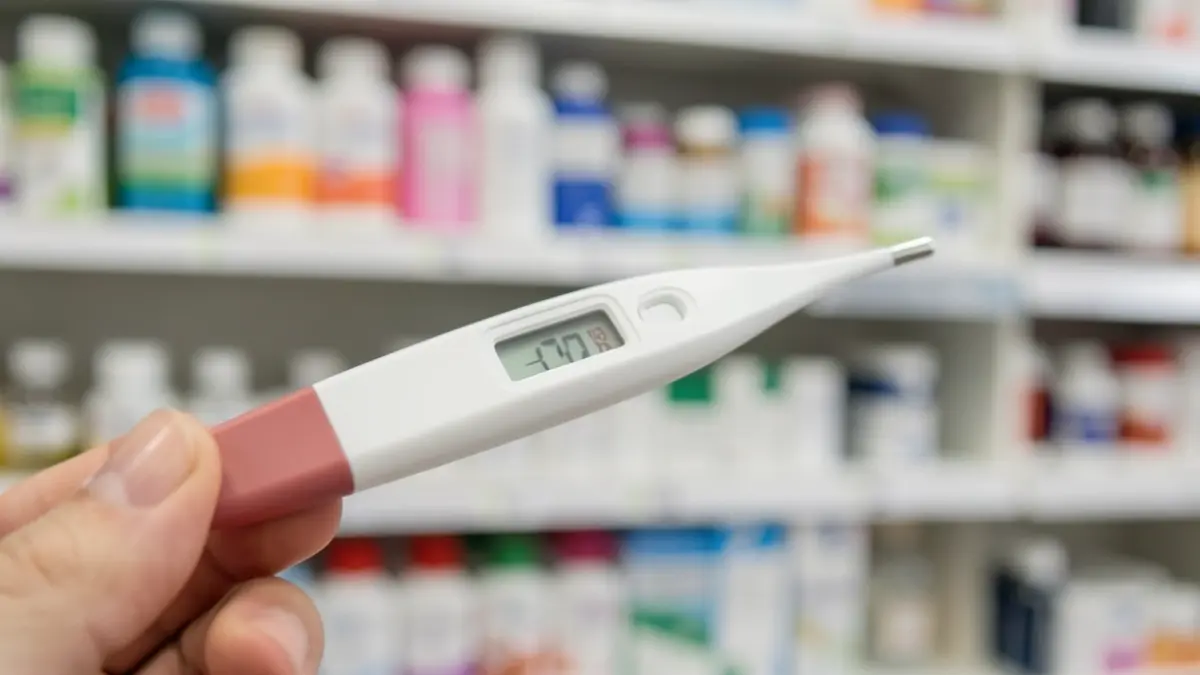
The report from the Directorate General of Public Health of the Consellería de Sanidade, covering the week ending October 25th, indicates that influenza activity in the Galician community is maintaining its baseline level with a growing trend. An increase in the dispensing of flu medications in pharmacies has been observed.
Specifically, the rate of dispensing flu medications in pharmacies increased by 38.9% in the last week. Conversely, the rate of antigen tests decreased by 17.9%. This data was reported by pharmacy offices integrated into the sentinel network promoted by the Xunta, aiming to anticipate the evolution of respiratory viruses in the community.
According to the report from the Galician health department, the rate of consultations for influenza increased by 8.3% compared to the previous week, standing at 14.3 consultations per 100,000 inhabitants. The increase in consultations occurred across all age groups, except for those aged 80 and over, where it decreased by 37.8%. The 0-4 year age group saw the largest increase. The Lugo health area registered the highest rate of flu consultations.
Regarding COVID-19, the consultation rate remained stable at 21% per 100,000 inhabitants. An increase in the rate was observed in the 0-4 and 5-19 age groups, while it decreased or remained stable in other groups. The over-80 age group had the highest number of consultations, with 36.7 per 100,000 inhabitants. The health areas of A Coruña and Cee, and Ferrol, saw an increase in consultation rates. Ourense had the highest rate with 30.8 consultations per 100,000 inhabitants.
In terms of hospital admissions with confirmed pathogens, up to the week ending October 25th, 132 flu admissions were reported (129 with type A virus). The admission rate was 1.5 per 100,000 inhabitants, slightly higher than the previous week. The age group with the highest admission rate was those over 80 years old (8.1 per 100,000 inhabitants), and the Lugo, A Mariña, and Monforte de Lemos health area recorded the highest rate (4.9 per 100,000 inhabitants), although the rate in this area decreased by 41.0%.
The COVID-19 admission rate decreased from 5.9 to 3.9 per 100,000 inhabitants. The rate remained stable in almost all age groups, except for 0-4 and 5-19 year olds. The over-80 age group had the highest admission rate (20.4 per 100,000 inhabitants). COVID admission rates decreased in all health areas except Santiago. Ourense had the highest rate with 5.6 per 100,000 inhabitants.
The positivity rate for COVID-19 was 15.6%, a decrease from the previous week (17.7%).
The Xunta de Galicia began its vaccination campaign in nursing homes and disability centers on September 28th. The vaccination plan also includes childhood immunization in health centers and 75 pilot program schools, as well as for healthcare personnel, both of which commenced on Tuesday, October 13th. Additionally, last week vaccination started for individuals aged 70 and over, and for emergency health service personnel.