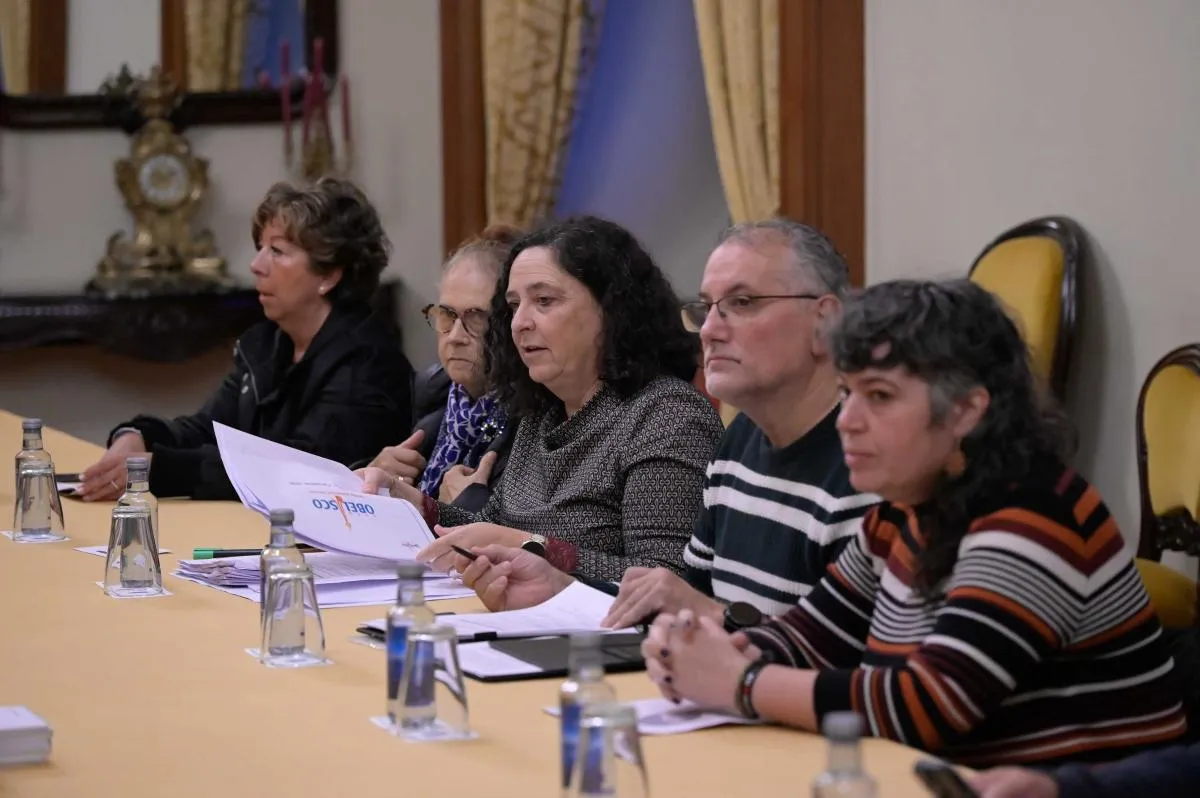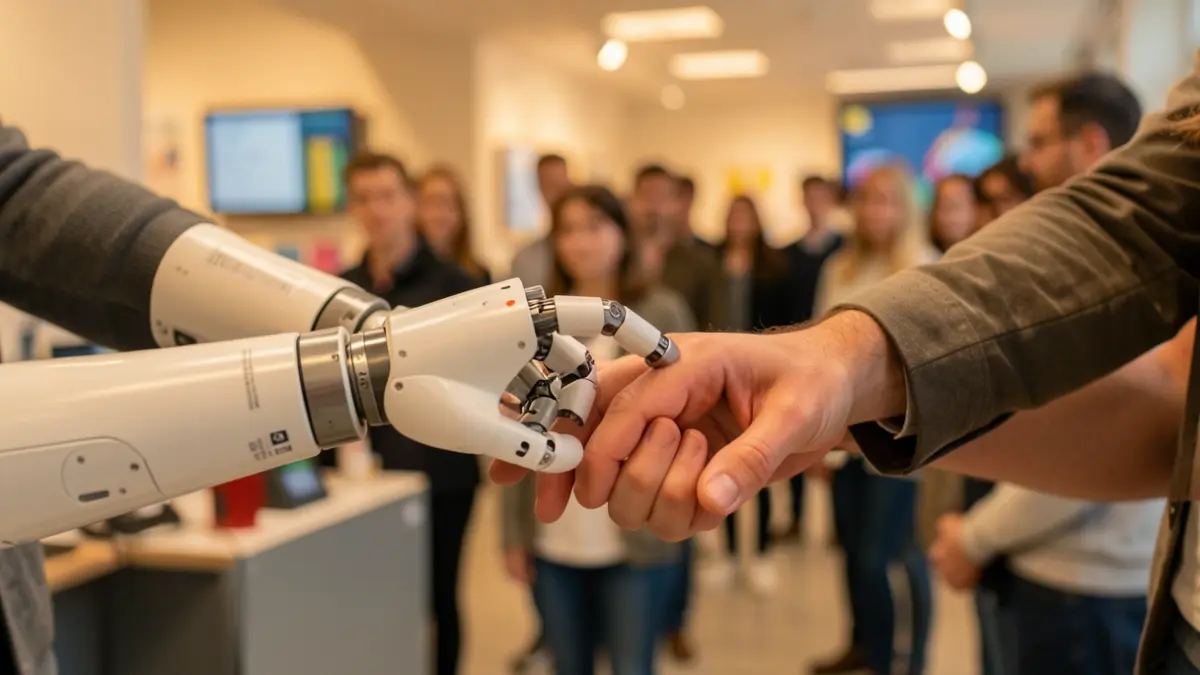
The Talentos Inclusivos project, driven by the CITIC (Research Center in Information and Communication Technologies) of the Universidade da Coruña, presented its experience at the XII edition of SIMO Educación, held at IFEMA Madrid from November 11 to 13, 2026. The initiative aims to demonstrate how technology can help people with disabilities gain autonomy and how secondary school students can contribute to making it possible.
In the CITIC's presentation, titled “STEM Content in the Classroom for Inclusion. A Success Story with the Talentos Inclusivos Project,” Javier Pereira, project manager, and Irene Brage, project manager, explained how the initiative has spent seven academic years introducing secondary and high school students to the reality of people with cerebral palsy through the development of technological solutions adapted to their needs.
The starting point is real-life situations and difficulties faced by people with disabilities. Based on these, students work throughout the course to understand the problems, seek alternatives, and design and build devices or tools that can facilitate certain tasks and promote personal autonomy. The proposals are tested and improved with the participation of the end-users themselves, who play a fundamental role throughout the process.
This methodology allows young people to learn programming, design, and other scientific and technological disciplines through practical experiences, while also gaining a close understanding of the reality of people with disabilities, developing empathy, and discovering how their knowledge can contribute to improving society. The project is based on collaboration between educational centers, people with disabilities, social entities such as ASPACE Coruña, APAMP, and Amencer-ASPACE, researchers from CITIC, and volunteers from Inditex. EDIGIT, the international version developed within the European Erasmus+ program, was also presented.
Fina Paulos and Óscar Rey, teachers from IES Maximino Romero de Lema in A Coruña, shared the teaching staff's experience, highlighting student engagement when they see the direct application of their classroom knowledge to improve someone's life. They presented solutions developed by their students, demonstrating how technology and creativity can remove barriers.
The experience of IES Maximino Romero de Lema reflects the potential of Talentos Inclusivos as an educational model, fostering values such as cooperation, responsibility, and commitment to a more inclusive society.