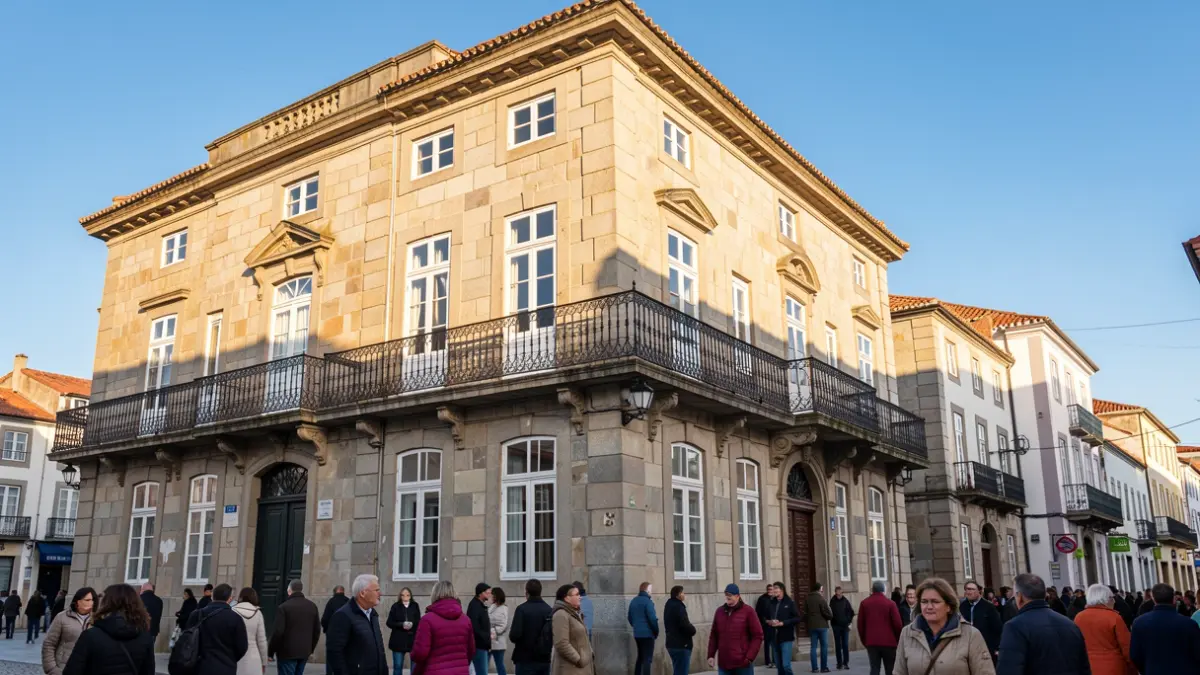
The celebration of this assembly in the city of A Coruña reinforced the role of the UDC and A Coruña as spaces for international scientific encounter and collaboration in the field of health and environmental research. The ZOE consortium brought together a multidisciplinary team of experts in virology, ecology, immunology, geography, psychology, sociology, and scientific communication from seven European countries and four from the American continent.
During the meeting, the most recent research was shared, ranging from the collection and microbiological analysis of plant and animal samples in the field to the development of computer models to predict the risk of contagion in different environments. All this work is based on a comparative synthesis effort carried out in five study areas distributed between Europe (Slovakia and Slovenia) and Latin America (Costa Rica, Guatemala, and Mexico).
The CITIC of the UDC participated in the organization of the activities for the central day of the meeting, held on October 2nd, whose program combined the presentation of scientific advances from the project's different working groups with debate sessions on research challenges and upcoming development phases.
The day began with an institutional welcome attended by Adina Dumitru, researcher and professor at the UDC, and the project coordinators, Felix Drexler and Nadja Kabisch. Throughout the day, international teams addressed issues related to ecosystem assessment, biodiversity, microbiological analysis of pathogens, social and cultural factors, and the development of early warning models.
Likewise, the program included a session dedicated to brief presentations of predoctoral and postdoctoral research work. This session allowed for the incorporation of contributions from researchers at different stages of their scientific careers.
The research team from the Universidade da Coruña, led by Adina Dumitru, is leading the study of social and cultural factors within the project. During the meeting, they presented results on how lifestyles and socioeconomic conditions influence contact with vectors such as ticks, mosquitoes, or bugs.
The results show relevant differences between the studied regions. In Latin America, the risk is more linked to situations of material vulnerability, housing conditions, and agricultural and subsistence activities in direct contact with the natural environment. In Central Europe, on the other hand, exposure is mainly related to leisure activities and outdoor pursuits in wooded areas.
Research also indicates that the risk of zoonoses increases in contexts of structural vulnerability, such as precarious housing, deficiencies in access to water and sanitation, limited availability of health services, or dependence on subsistence activities linked to the natural environment.
Human behaviors also play a key role in exposure pathways. Activities such as hunting, agriculture, hiking, or contact with animals can increase risk, while preventive practices, the use of appropriate protective equipment, and greater knowledge of diseases and their transmission routes contribute to reducing it.
The UDC team also emphasized the need to overcome barriers between the health, veterinary, and environmental sectors and move towards integrated prevention strategies based on the One Health approach.
The European project ZOE addresses the study of the emergence of zoonoses in degraded and restored forest ecosystems from a multidisciplinary perspective. Its research combines environmental and microbiological analysis with the study of social and cultural factors that influence human exposure to potential pathogens.
Through collaboration between institutions in Europe and Latin America, the project seeks to generate knowledge that contributes to improving the prevention of zoonotic diseases and strengthening the capacity to anticipate future health threats.