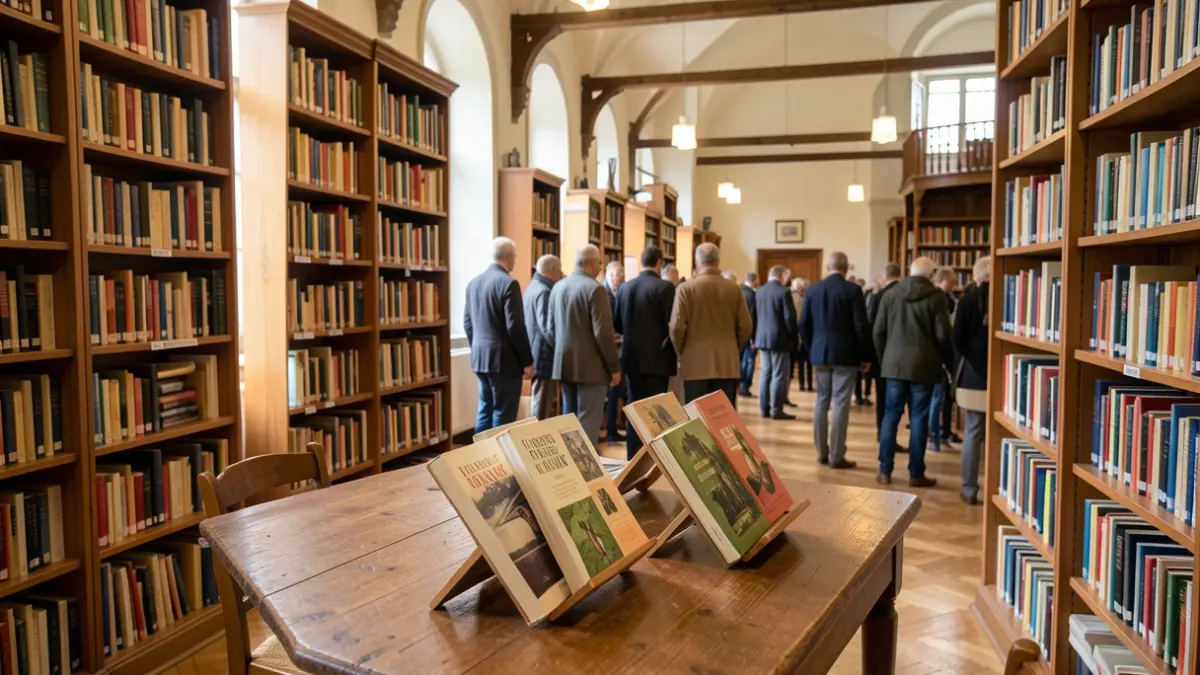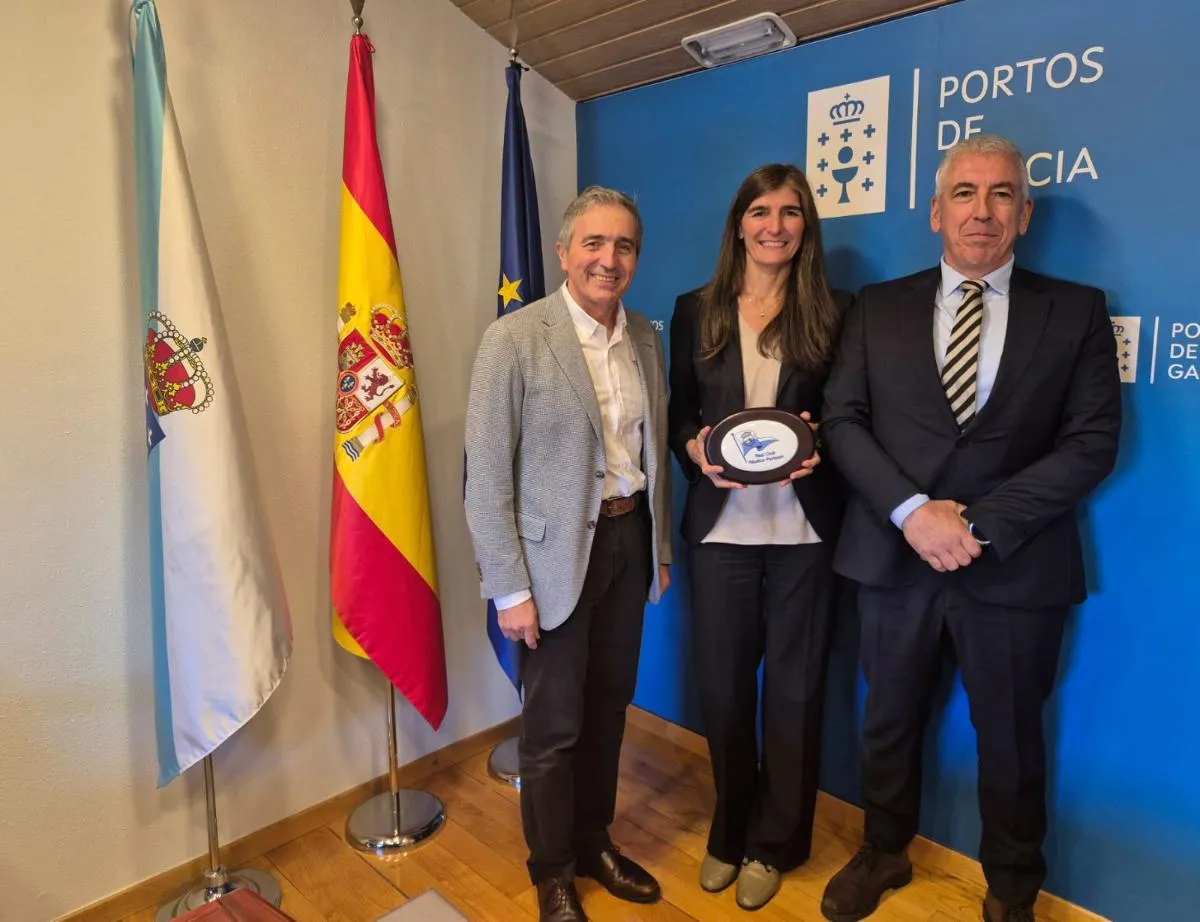
The ceremony was attended by the Councillor for Culture and Tourism, Gonzalo Castro, and full member María de la O Suárez Rodríguez, who delivered the response to the admission speech. The new member presented his paper titled 'Seaside Spas and Sea Baths in A Coruña. 1834-1934'.
In his speech, González Guitián traced the history of the city's seaside spas and the evolution of the therapeutic and social uses of the sea over a century. The presentation covered everything from the first establishments linked to sea bathing to the consolidation of emblematic Riazor spaces such as the Balneario de la Beneficencia Municipal, La Perfecta, La Salud, or La Primitiva, as well as various projects that were never built.
Councillor Gonzalo Castro highlighted the role of the Cornide Institute as a fundamental institution for the research and dissemination of Coruña's history. 'The Instituto José Cornide has been fulfilling an essential function for decades: studying the city, preserving its memory, and sharing it with the citizens. Because a city's history is also found in customs, trades, and spaces that change use or have disappeared,' stated the councillor.
Castro also praised the professional career of Carlos González Guitián, whom he described as a figure capable of combining 'research rigor and a vocation for service'. González Guitián holds a degree in Geography and History from the University of Santiago de Compostela and a PhD in History from the University of Valencia. He developed a significant part of his career as a librarian and documentalist at the University Hospital Complex of A Coruña (CHUAC) and as an associate professor at the University of A Coruña.
The municipal head of Culture emphasized the value of historical research in preserving the city's collective heritage. 'Preserving heritage is not just about caring for what still stands. It means knowing and disseminating what we can no longer see. That is why archives, libraries, and institutions like the Instituto José Cornide are so important,' he affirmed.
The ceremony concluded with the presentation of the credentials confirming Carlos González Guitián's admission as a full member of an institution that has been a benchmark in the research, study, and dissemination of A Coruña's history and heritage for decades.