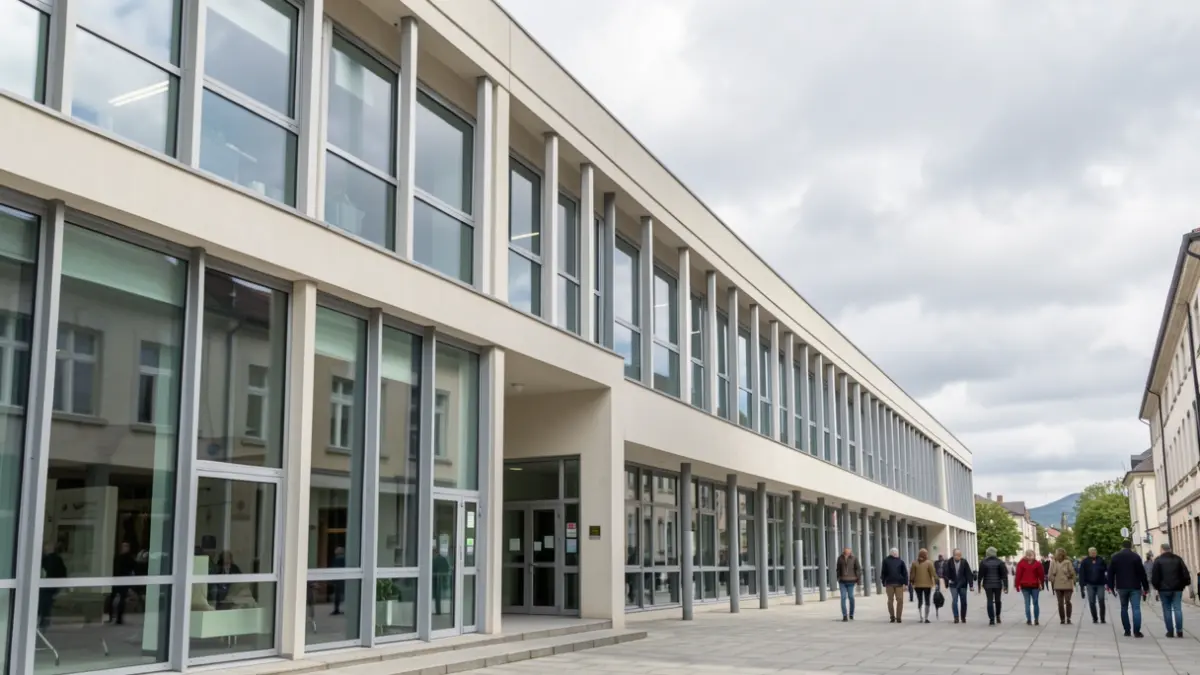
The Institute of Language Research (iLingua) at the University of Vigo is hosting the second edition of its International Conference on Language Research at the Redeiras building. The event, which began this Thursday and concludes tomorrow, Friday, features over 100 attendees, 12 student posters, and 64 communications from specialists from eight countries.
At the opening, the Vice-Rector for Students and University Life, Dolores González, highlighted the organization's work and the consolidation of iLingua as a recently established institute aiming to match other research centers at UVigo. She noted that the institute brings together researchers with diverse interests, perspectives, and methodologies, as reflected in the conference program.
The organizing committee president, Javier Pérez Guerra, emphasized that CIIL2026 seeks a balance between junior and senior participants, facilitates free access to research with support from UVigo and the Social Council, and promotes a balance between majority and non-majority languages, with a special focus on research in the Galician language and linguistics.
The inaugural lecture was delivered by Miguel Casas Gómez (University of Cádiz) on semantics, terminology, and digital linguistics. Four other plenary lectures include presentations by Teresa Moure Pereiro (Universidade de Santiago de Compostela) on hate speech, Jorge Díaz Cintas (University College London) on audiovisual translation, and Xosé Luís Regueira (Instituto da Lingua Galega) on linguistics from a minority language perspective.
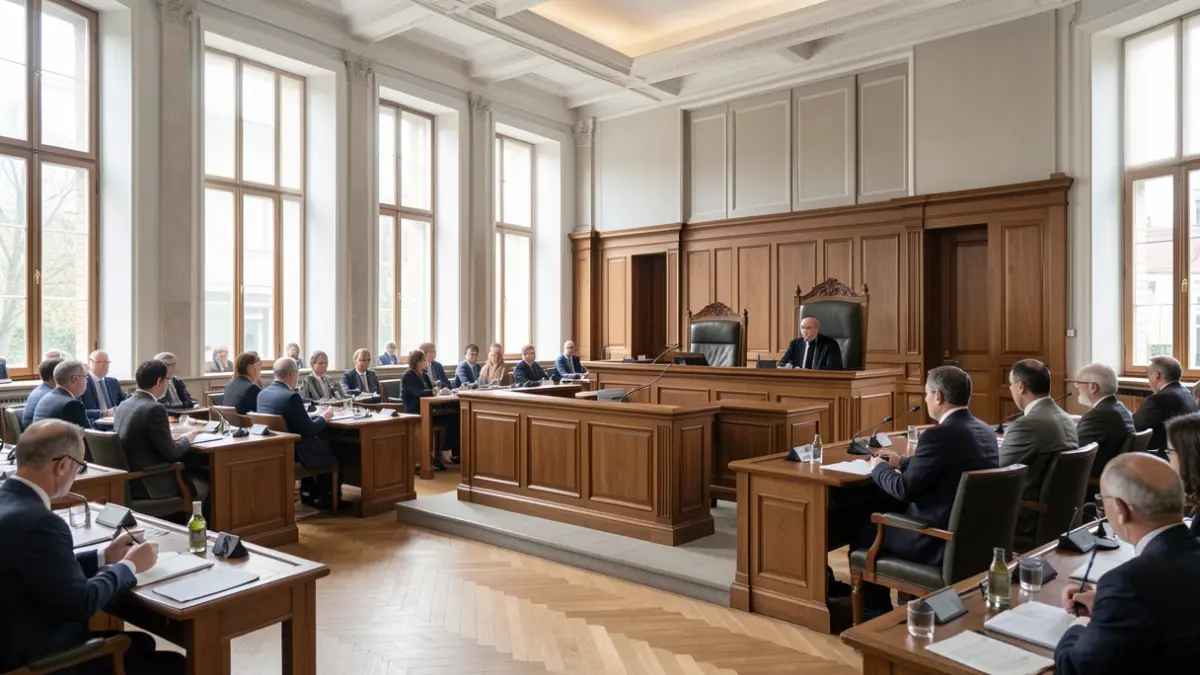
Communication sessions covered topics such as the translation of gender-neutral characters in science fiction, the language of courts, the role of emotional valence in false recognition, and multilingual practices in Galicia and Gibraltar. Discussions also included the translation of gay speakers' lexical practices, cognition and language in Golden Age theatre, narrative skills in bilingual Spanish-Galician children, pluricentrism in 21st-century Mexican lexicography, minority forms of Spanish, Artificial Intelligence for accessible subtitle evaluation, and multilingualism in international Maritime Law organizations.
The conference also features the presentation of 12 student posters on topics such as Iberian digital poetry, the portrayal of motherhood in the work of three contemporary Galician authors, translation and paratranslation of recreational boat rental contracts, metaphors in the framing of the far-right in Spanish and British press, neological creation in Galician, translation of animated songs in dubbing, and the construction of a corpus for Colombian Sign Language.