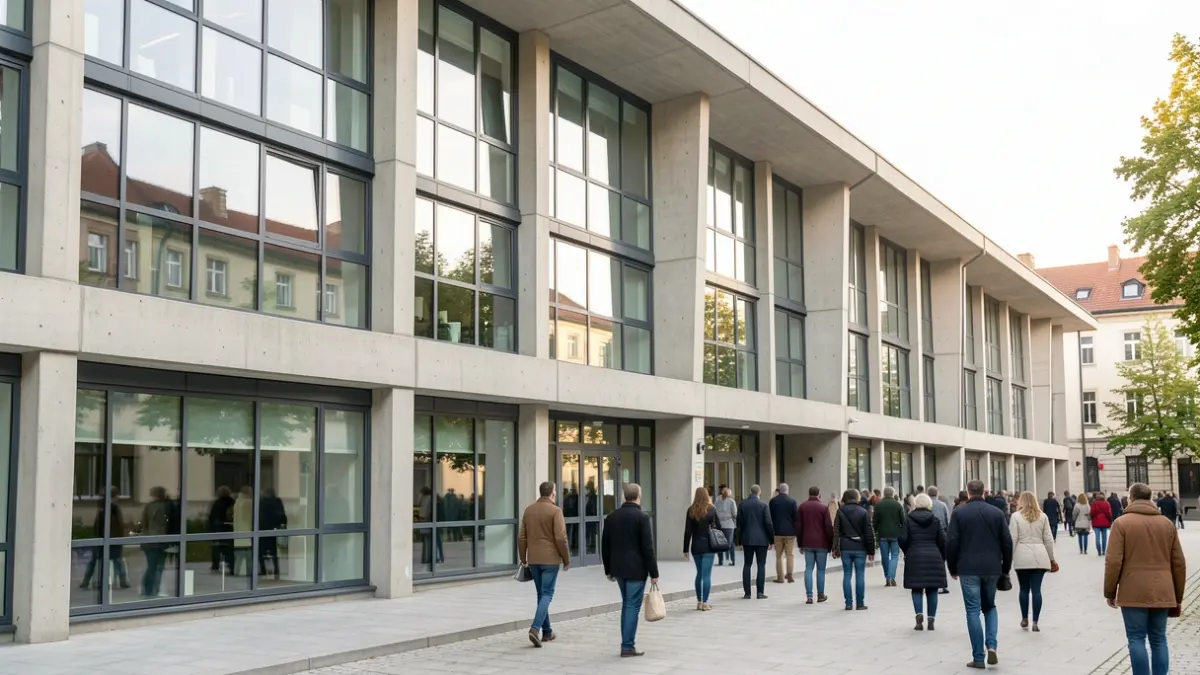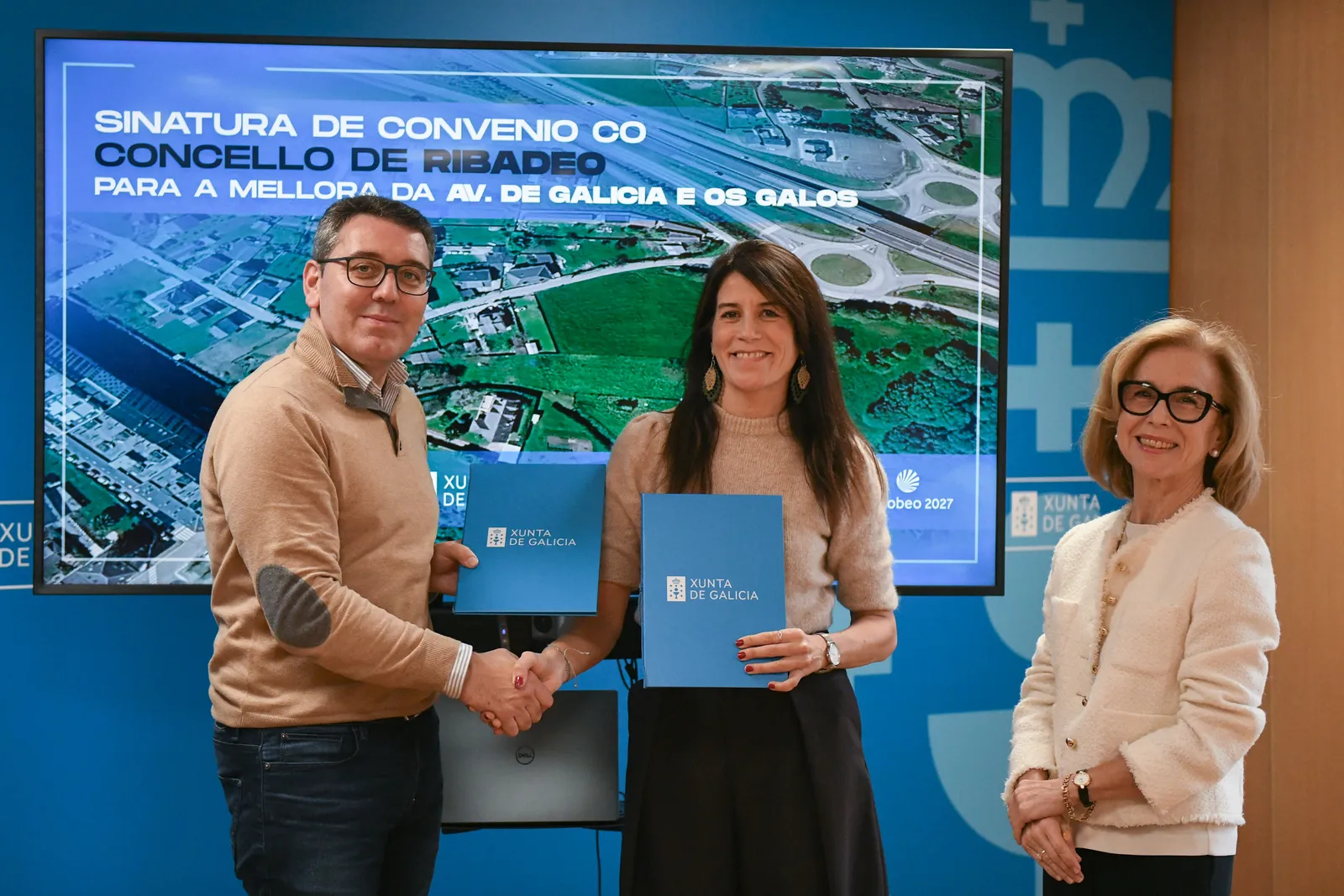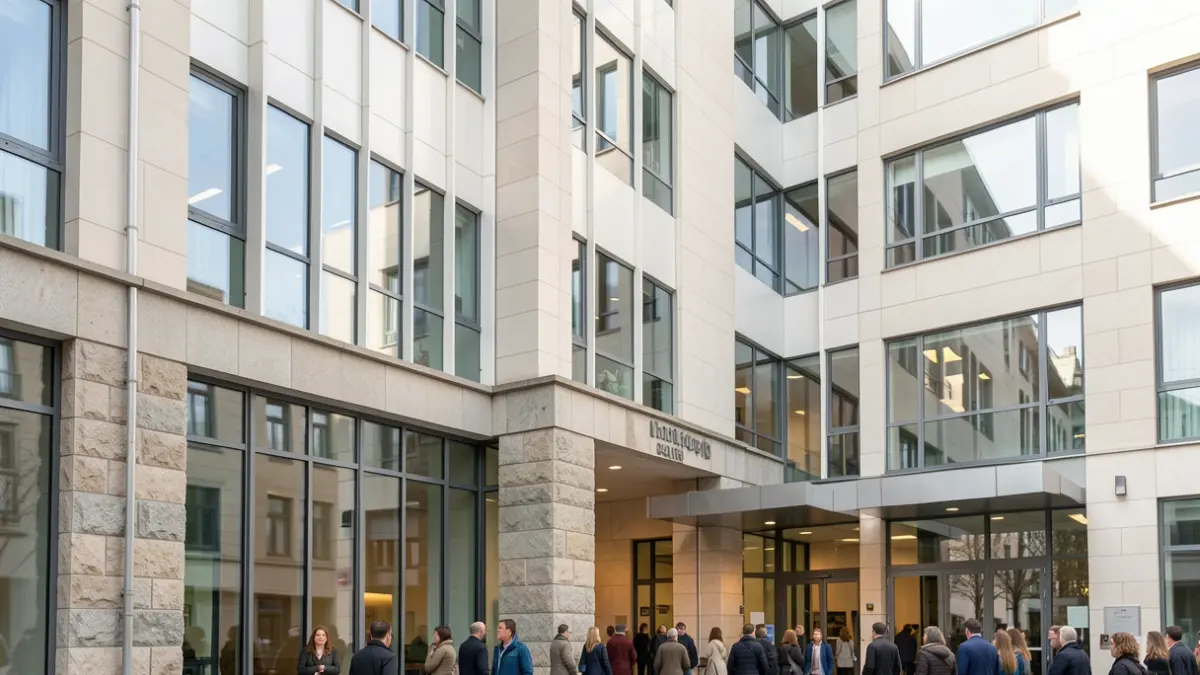
The University of Vigo and the Tourism Agency of Galicia signed a collaboration agreement this Monday to establish the Galicia Tourism Lab at the Faculty of Business and Tourism Sciences on the Ourense campus. The space aims to be a “center of reference for creativity, teaching innovation, applied research, and professional innovation in the tourism field”. To achieve this, it will promote “innovative, creative, and participatory methodologies” for students, teaching and research staff, as well as tourism professionals, fostering “knowledge transfer, technological experimentation, and collaboration with the institutional and business fabric of the Galician tourism sector”.
Present at the signing and presentation of the project in the legal-business building of the Ourense campus were Carmen García Mateo, Rector of the University of Vigo; José Manuel Merelles, Director of the Tourism Agency of Galicia; and Jesús Vázquez, Dean of the Faculty of Business and Tourism Sciences; also attending were Montserrat Cruz, Vice-Rector of the Ourense campus; Elisa Alén and Nuno Sousa, heads of the lab, and faculty members of the center.
Rector Carmen García Mateo highlighted that the creation of the lab “reflects very well the university we want to build: an institution that leverages its capabilities, cooperates with administrations and the productive sector, and places knowledge at the service of society”. She emphasized that the project's value “lies not only in the technological tools but in what we are capable of doing with them”, and pointed out that the aspiration is for “students to develop practical skills, for faculty to explore new methodologies, and for research to respond to the real needs of the sector”. Furthermore, she announced the intention to leverage the opportunities offered by the proximity to northern Portugal to establish academic and research cooperation relationships.
For his part, José Manuel Merelles highlighted the relevance of establishing this lab in Ourense, noting that this province “is the territory that is growing the most in tourism”. He emphasized the University of Vigo's interest in modernizing tourism education and indicated that this initiative continues other collaborations between UVigo and the Tourism Agency of Galicia. Jesús Vázquez, Dean of the Faculty, valued the collaboration and thanked the funding, stating it will provide “a boost from Ourense to all of Galicia in a sector as important as tourism”. The plan is for the Galicia Tourism Lab to be operational by early 2027.
The Galicia Tourism Lab will function as an immersive technology laboratory, focusing on the use of virtual and augmented reality. It will be equipped with devices such as Meta Quest 3, HTC VIVE Focus Vision, a 360° camera, and high-performance computers. It will enable the exploration of heritage sites, the design of innovative tourism experiences, the simulation of learning situations, the analysis of accessibility, and research into new business models.
Research areas will include immersive tourism, artificial intelligence, inland destinations, accessible and inclusive tourism, thermalism and wellness, and innovation in tourism companies. Students will benefit from practical and interactive learning, support for final projects and doctoral theses, and research grants, in addition to potential collaboration with companies and destinations.