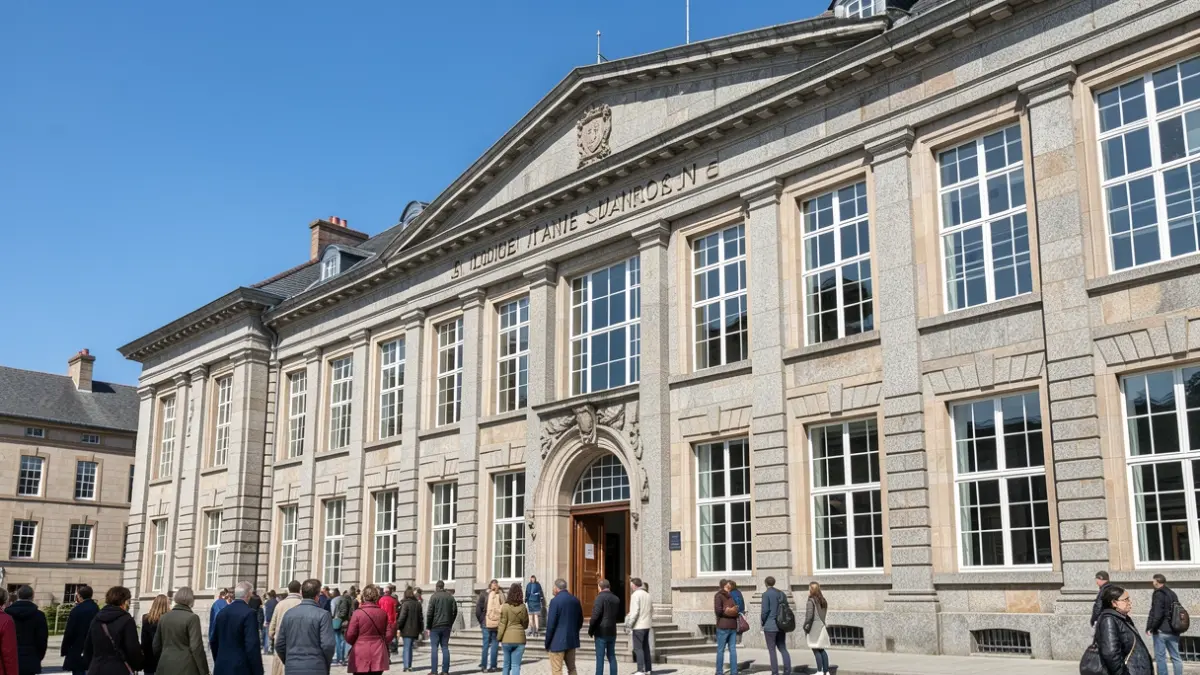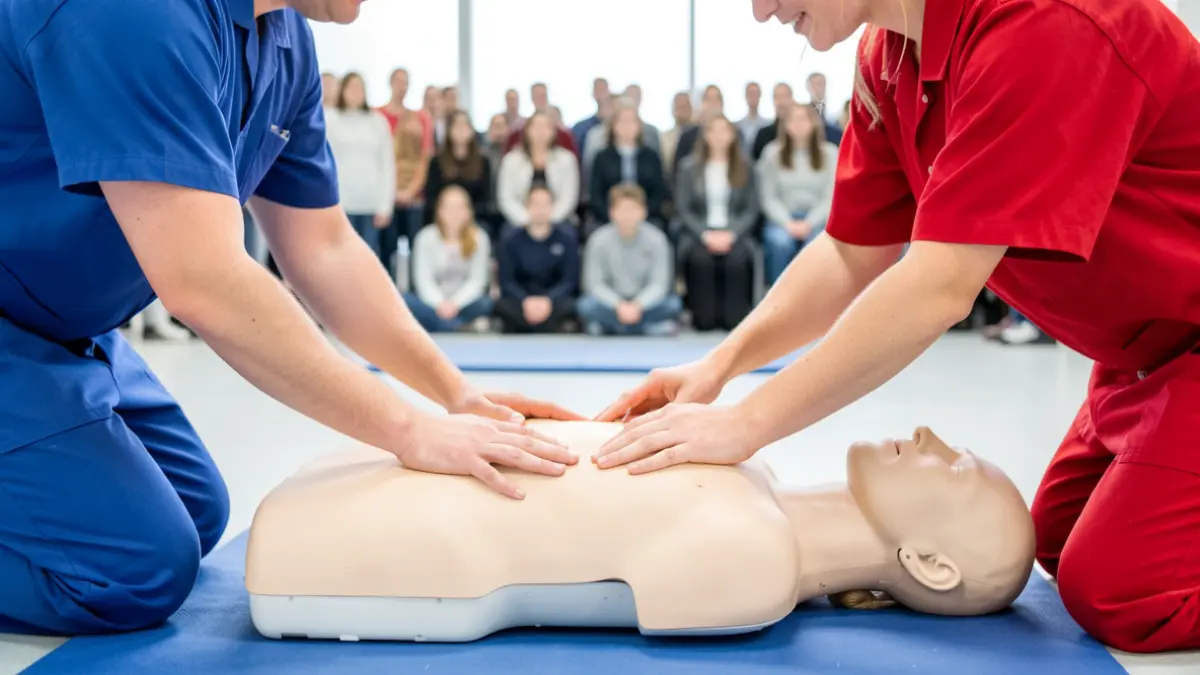
A total of 150 students, mostly from educational centers in Chaves and Verín, participated in a mass training session in Chaves (Portugal) to acquire knowledge and skills in attending cardiac arrests (CA). The initiative, held on the occasion of World Cardiac Arrest Day, aims to improve citizen survival until emergency services arrive.
The event was attended by Galician representatives such as the manager of the Galician Health Service, Luis León; the Director General of External Relations and the European Union of the Xunta, Jesús Gamallo; and the Director of the Public Foundation Urxencias Sanitarias de Galicia-061, Román Gómez. The Fundación Pública Urxencias Sanitarias de Galicia-061 and the Escola Superior de Saúde da Cruz Vermella Portuguesa-Alto Támega organized the training, highlighting the importance of collaboration through the Integrasaúde Project.
Frequent symptoms of cardiac pain include sudden discomfort with a feeling of oppression in the chest, which can radiate to the back, left arm, neck, and jaw. Accompanied by cold sweats, paleness, nausea, or dizziness, it requires staying calm, loosening clothing, and calling 061, where a coordinating physician will mobilize the necessary resources, including a defibrillator if appropriate.
The Xunta, through the Ministry of Health, promotes initiatives to improve survival rates in cardiac arrests. The RCP na Aula (CPR in the Classroom) program, running since 2001, has already trained over 100,000 Galician schoolchildren. Galicia has more than 3,700 registered semi-automatic external defibrillators (AEDs), with a availability of 140 per 100,000 inhabitants, leading Spain in this regard. Chest compressions and early defibrillation are key to increasing survival outside hospitals.