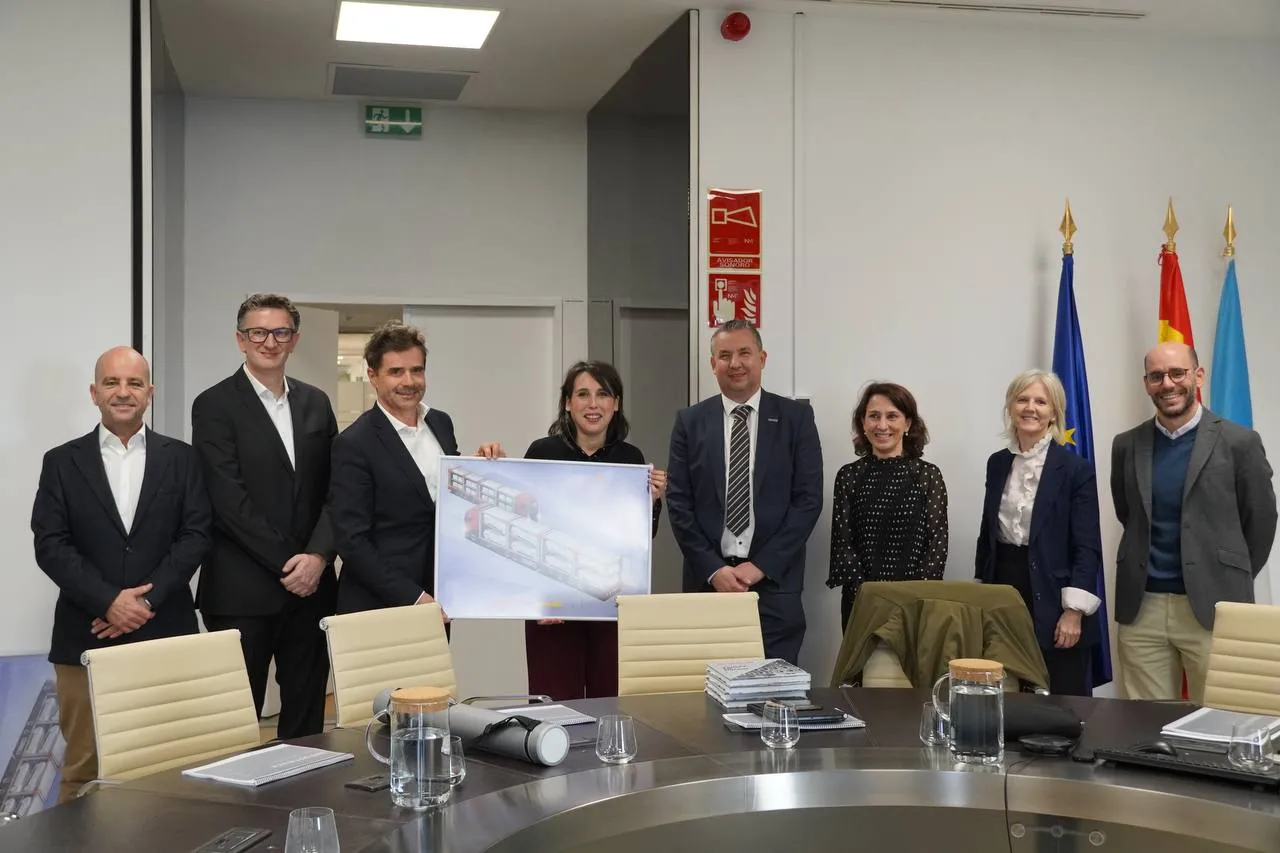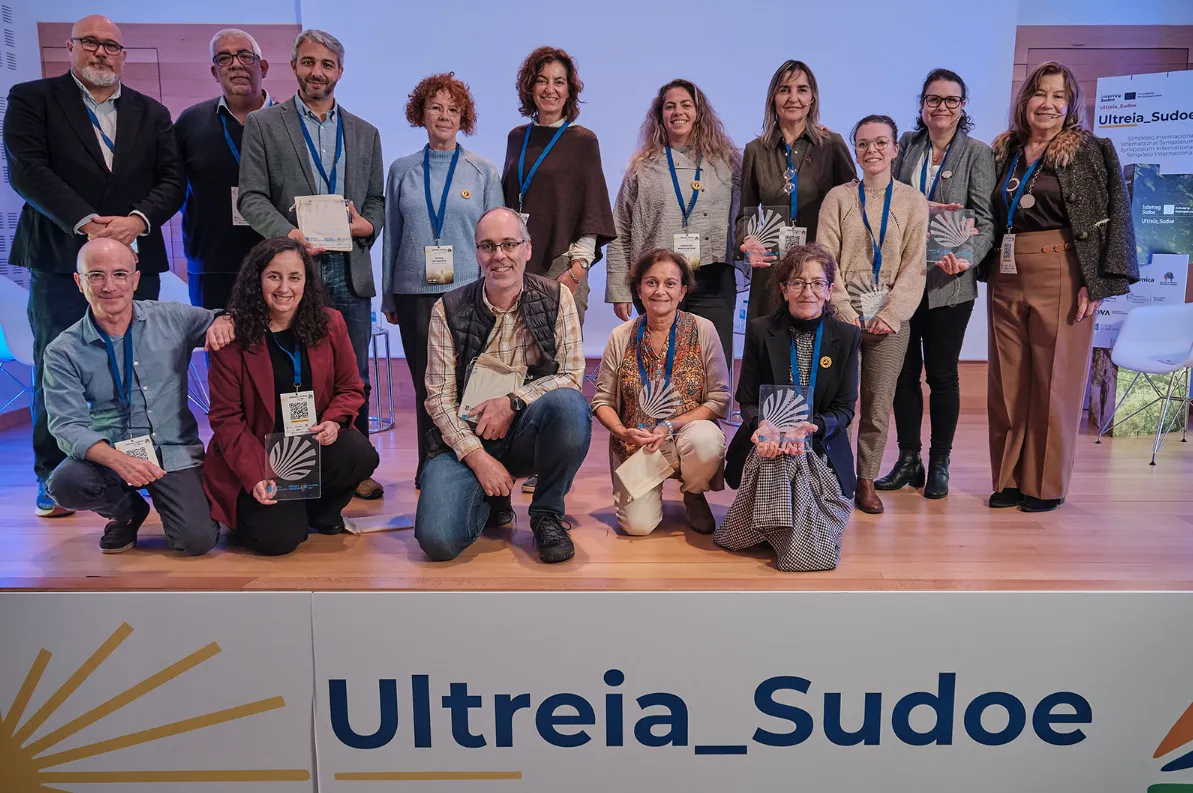
The event gathered institutional representatives, technical staff, and specialists from Spain, France, and Portugal to analyze the project's achievements, the work lines developed by each partner, and to reflect on the future of the Jacobean routes.
Strategic issues such as accessibility, inclusion, climate change adaptation, sustainability, and improved management models were addressed. Experiences from other cultural itineraries were also shared, and progress was made in defining a transnational strategy for the Camino de Santiago.
Key outcomes include the creation of a transnational model for managing the Camino de Santiago, structured around digitalization, Local Working Groups, and 'Paradas en el Camino' (Stops on the Way) – reception and meeting points offering services and information to pilgrims.
The project also produced various reports on fundamental issues for the future of the Jacobean routes, including socioeconomic analyses, climate change studies, and accessibility-related work.
This initiative, launched in 2024, aims to advance towards a shared management and information model for the Jacobean routes, strengthening collaboration between the territories they cross. Results will be progressively made available to the public via the project's website.
So far this year, over 566,000 pilgrims have collected their Compostela, an 8% increase compared to the same period last year, with 62% being international.