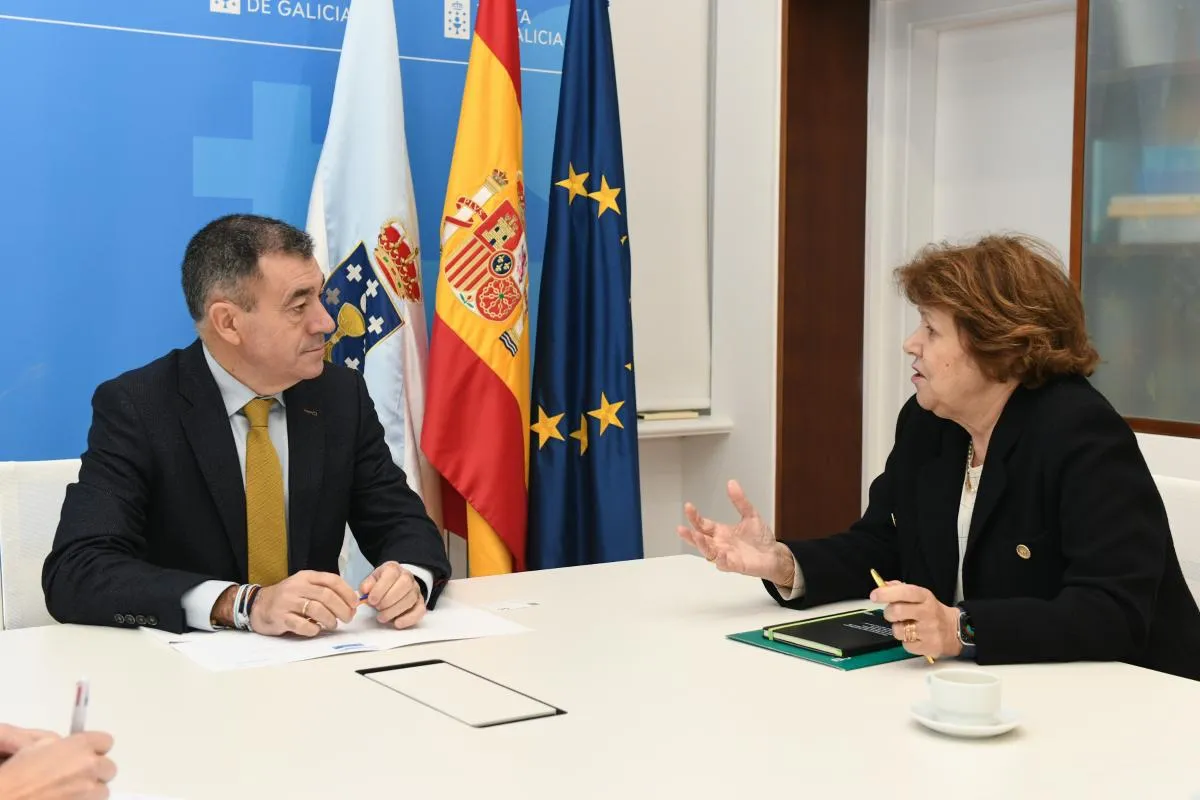
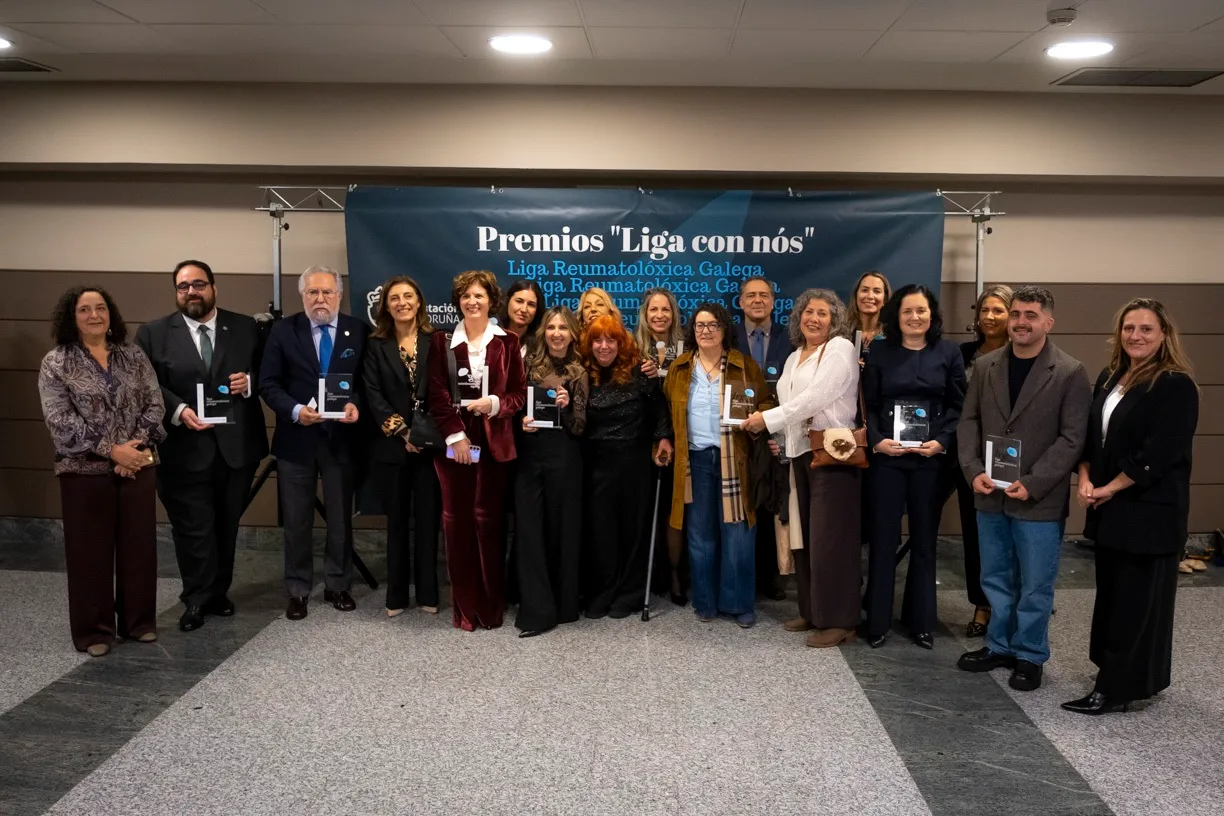
The University Participation and Inclusion Service (SEPIU) and the team of Professor Inmaculada Tomás at the Faculty of Medicine and Dentistry were recognised by the Galician Rheumatology League. This association of patients with rheumatic and musculoskeletal diseases presented the awards during its 30th anniversary gala.
The association highlighted the fundamental work of SEPIU in advancing towards a more inclusive, accessible university committed to equal opportunities. Through its University Inclusion area, the service coordinates support measures for students with disabilities and specific needs, facilitating resources and adjustments to ensure equal conditions. Its actions include managing curricular adaptations, specific support, employment insertion programmes and adapted accommodation, contributing to removing barriers to access and retention.
“"In recognition of their contribution to the well-being and full participation of people with disabilities and specific needs in the university environment."
Buccal-dental care is particularly important in rheumatoid arthritis, associated with periodontitis, and in Sjögren's syndrome, where dry mouth increases the risk of tooth decay. Since its launch around 2010, the unit led by Inmaculada Tomás has attended to people with disabilities or chronic illnesses, prioritising prevention and adapting treatments to each patient's characteristics. It also attends to people with Alzheimer's disease in public centres of the Galician Government and maintains agreements with ASPACE and APAMP.
The unit, which brings together professionals from various dental specialties and research staff, trains students on the Master's Degree in Advanced Integral Dentistry for People with Functional Diversity and Complex Medical Conditions at USC. As a translational R+D unit, it integrates clinical procedures with research objectives, employing machine learning to develop artificial intelligence models. A study published in the Journal of Dental Research assessed the potential of the salivary microbiome to detect periodontitis, and another project investigates early detection of oral cancer.