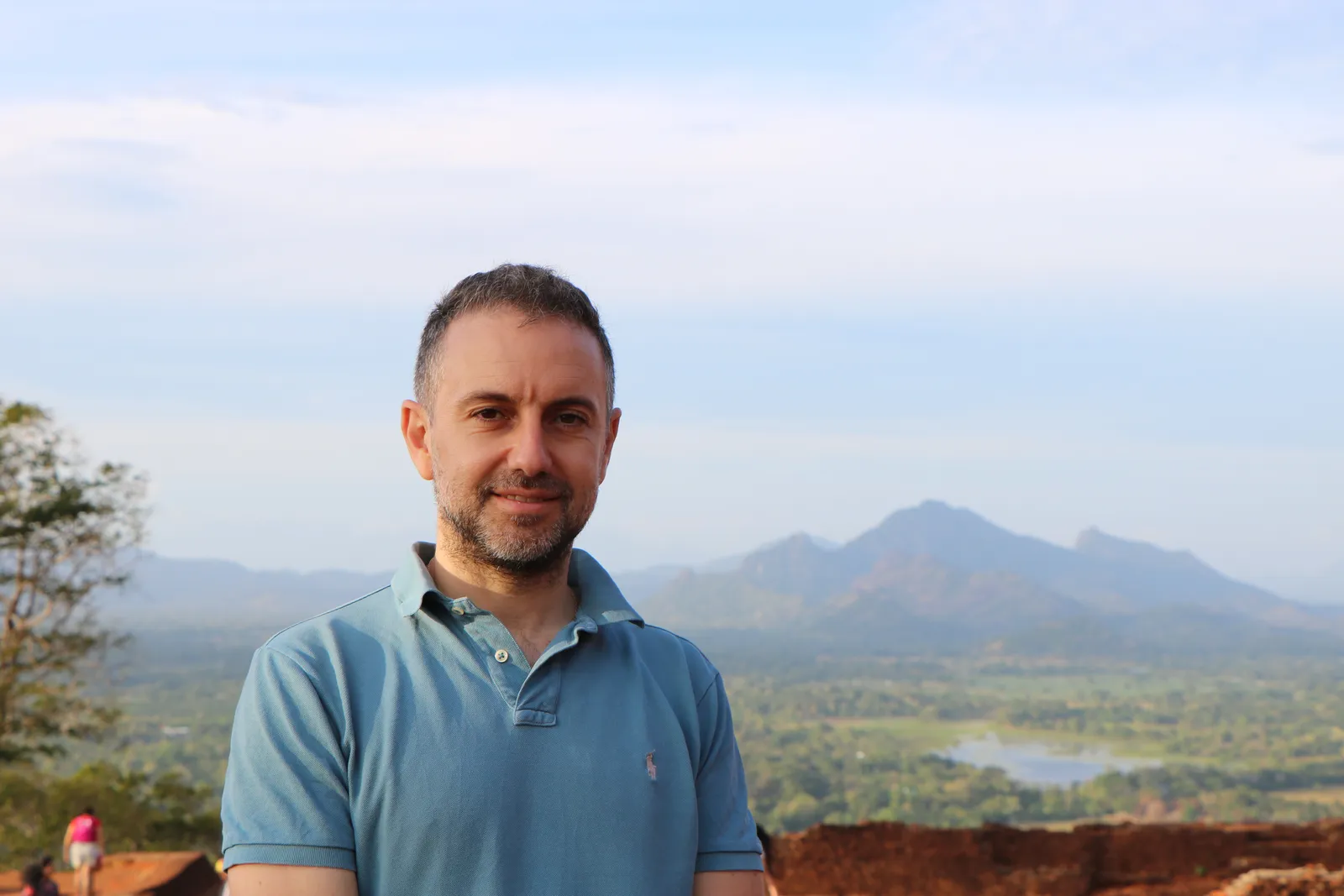
Professor Álvaro Goyanes, from the Department of Pharmacology, Pharmacy, and Pharmaceutical Technology at the Faculty of Pharmacy and a member of the Materials Institute of the USC (iMATUS), is once again included in the Highly Cited Researchers 2026. This list, compiled annually by the Web of Science group, identifies researchers who have a significant impact in their scientific field worldwide.
This year, Clarivate recognized a total of 6,802 individuals from 62 countries as 'highly cited researchers'. Specifically within Professor Goyanes' field (Pharmacology and Toxicology), only 125 other individuals are listed alongside him.
The selection for the 2026 edition was based on an analysis of publications from 2015 to 2025 indexed in the Web of Science Core Collection. The Institute for Scientific Information (ISI) at Clarivate considered individuals who authored multiple papers ranked in the top 1% most cited in their field and publication year, combining citation metrics with qualitative expert review and filters to detect excessive self-citations or anomalous patterns.
Álvaro Goyanes holds a doctorate from the University of Santiago de Compostela, and his work focuses on the 3D printing of personalized-dose medications. He is a co-founder and former CEO of the start-up FABRX, a pioneer in the 3D printing of personalized medicines, and also co-founder of FABRX Artificial Intelligence, which focuses on using artificial intelligence in drug development.
The researcher has published around one hundred articles and is a recognized global expert in this field, with over 200 communications at international conferences. He was among the first researchers to evaluate the opportunities of 3D printing using new technologies to manufacture oral dosage forms. In 2026, he is listed with the USC as his primary affiliation and University College London as a secondary affiliation, where he holds an honorary professorship.