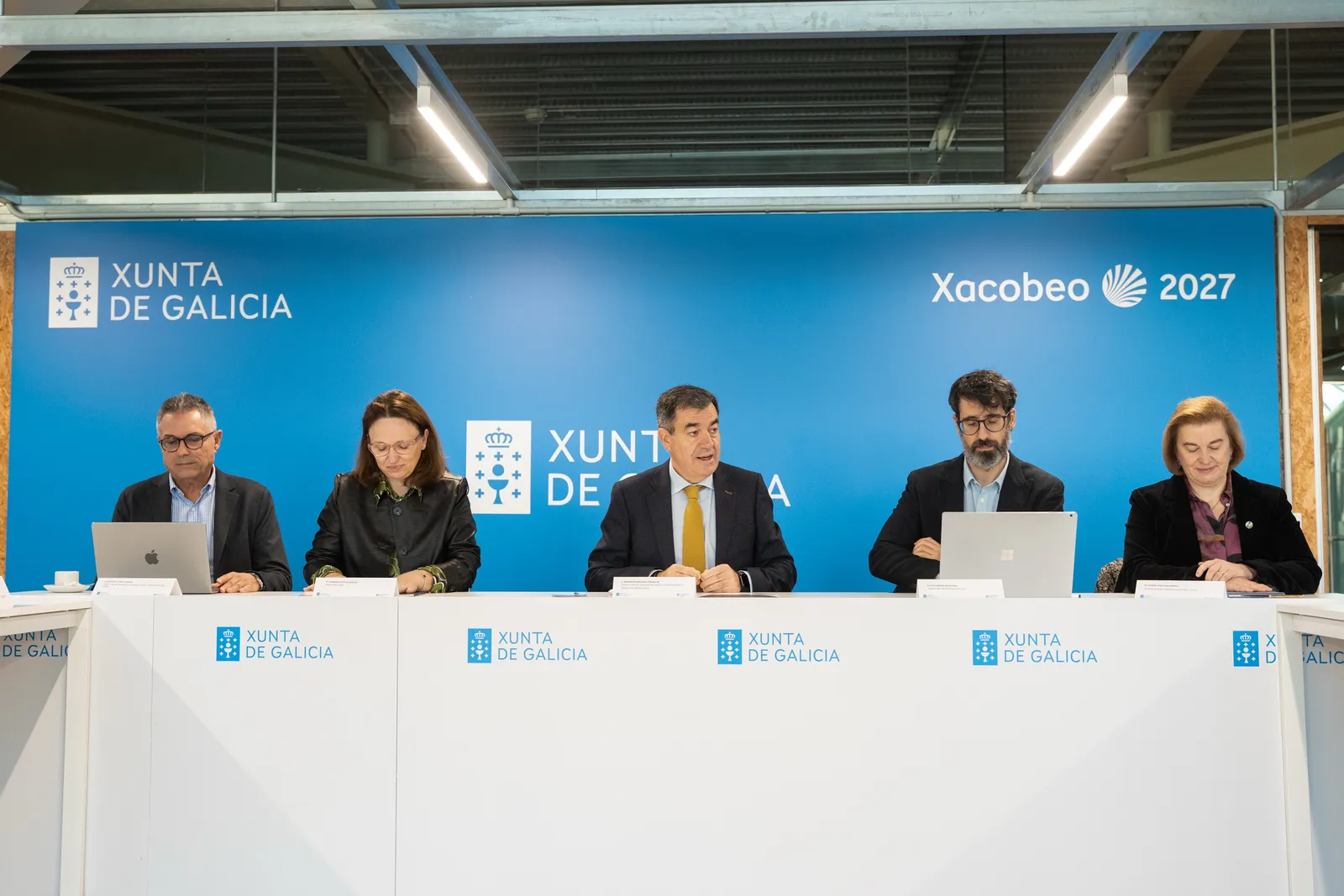
The research group Histagra from USC coordinates a team of specialists in historiography, archaeology, forensic anthropology, and genetics to carry out the tasks of exhumation and recognition of mass graves from the Francoist violence in Galicia. The signing of the agreement between the USC and the Xunta de Galicia for the development of the 2026 Democratic Memory Plan marks the start of these interventions.
The four-year Democratic Memory Plan (2025-2028), which supports this work, focuses on three strategic lines: the location, exhumation, and identification of victims; the dissemination of results; and the recognition and promotion of burial sites and places of memory. Its objectives are subject to annual review.
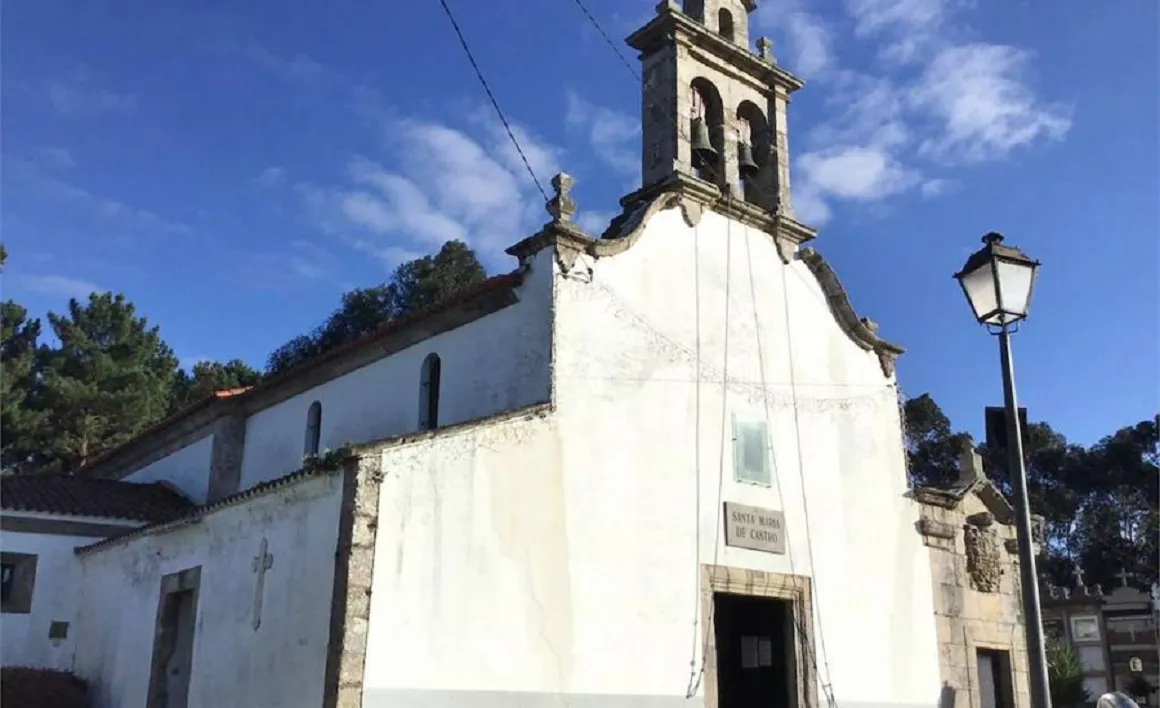
For the year 2026, actions will take place at the Ribeiras de Sor Grave (Mañón), continuing the 2025 intervention. Work will also continue at the Luou cemetery (Teo), with the exhumation of a supposed relative of a victim. At the San Pedro de Filgueira de Trabanca Grave (Oza-Cesuras) and the Santa María do Castro Grave (Miño), the remains of two victims will be sought in each location. In San Francisco (Ourense), a thorough study of the site and victims will be conducted. At the San Vicenzo de Vilameá Grave (A Pontenova), four individuals' remains will be sought, and one victim will be located at Pontevedra/A Estrada (Pontevedra).
According to the budgetary allocation criteria agreed upon on April 24, 2026, by the Territorial Council of Democratic Memory, the Xunta de Galicia will have an amount of 97,811.81 euros for these activities in 2026.