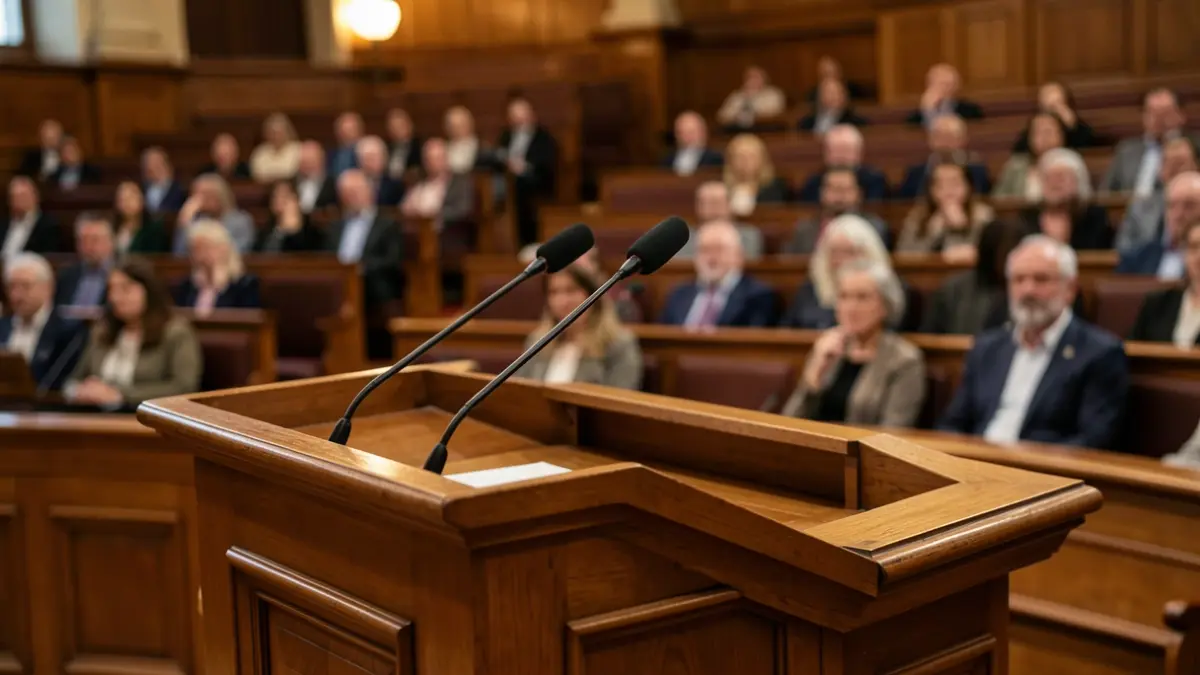
During the appearance before the special non-permanent commission on milk, Juan José Cerviño explained that both regulations, in force since 2012, have become outdated. Although a reflection day was held in May this year, driven by the Ministry of Agriculture, Fisheries and Food (MAPA) and the autonomous communities, the Ministry did not carry out any of the proposed modifications nor present suggestions for change, despite pressure exerted from Galicia.
Cerviño outlined the factors influencing the price of milk in Galicia and the difficulty in the practical application of food contracting regulations. He also detailed the control plan developed by the Consellería do Medio Rural since late March to verify compliance with legislation and control the traceability of milk entering from other European regions. The result was a documentary and administrative control of 100% of contracts signed in spring and of monthly milk purchase declarations, resulting in 82 inspection reports and the processing of sanctioning files. On 4 November, an instruction was issued to carry out complementary controls.
For his part, José Balseiros highlighted the work of the Consellería do Medio Rural, which includes the development of a specific strategy elaborated since 2020 and approved by all sector agents. He also recalled efforts to improve the value chain through the creation of Contaláctea, a software tool for farmers to calculate their production costs. Balseiros lamented that the Ministry did not accept using this tool as a reference, although it was validated by the Tax Agency and is used in other autonomous communities.